Reference: P.G. Ajikumar
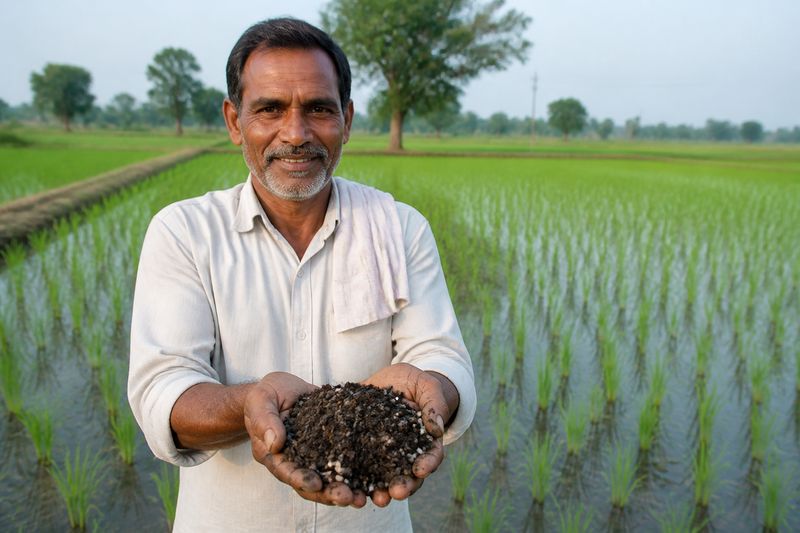
P.G. Ajikumar pointed out that major changes are happening to soil health across India. Carbon is decreasing, nutrients are leaching away, and beneficial microbes are being destroyed.
Although chemical fertilizers give quick results, in the long run, they reduce the vitality of the soil. He says that when the balance of the soil microbiome (microorganism system) is lost, plants easily succumb to diseases and stress.
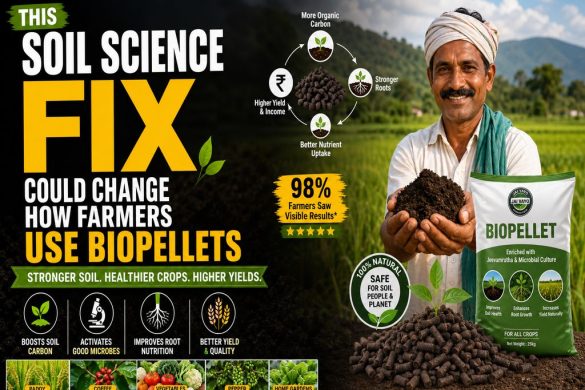
A scientific and simple solution to this problem is Jai Vayo Biopellet. It is a soil preparation mixture, or rather, a soil conditioner.
Based on its action, the biopellet can also be described as a bio-stimulant.
These pellets, made by combining various organic components in the right proportions, contain coconut shell powder, powdered tree bark, cattle manure, and micro-macro nutrients, besides having suitable ingredients for each crop.
It is not artificial. Although manufactured, because this pellet does not float or get washed away in water but sinks and soaks, its full benefit reaches the plants as the chemicals it contains are released directly into the soil.
Fully organic: The first one contains fully organic components.
Semi-organic: The second one is mixed with partial chemical fertilizers.
Crop-specific biopellet: The third one is designed specifically for each crop.
Currently, the third category has been prepared for tubers, paddy, coffee, and vegetables.
The biopellet can be applied directly to the soil or mixed with water, sand, etc., and spread.
- ✅ Farmlands
- ✅ Grow bags
- ✅ Terrace gardens
- ✅ Homestead farming
Besides farmlands, it is also suitable for grow bags, terrace gardens, and homestead farming. Research to modify this product for the soilless farming method of hydroponics is in progress, said P.G. Ajikumar.
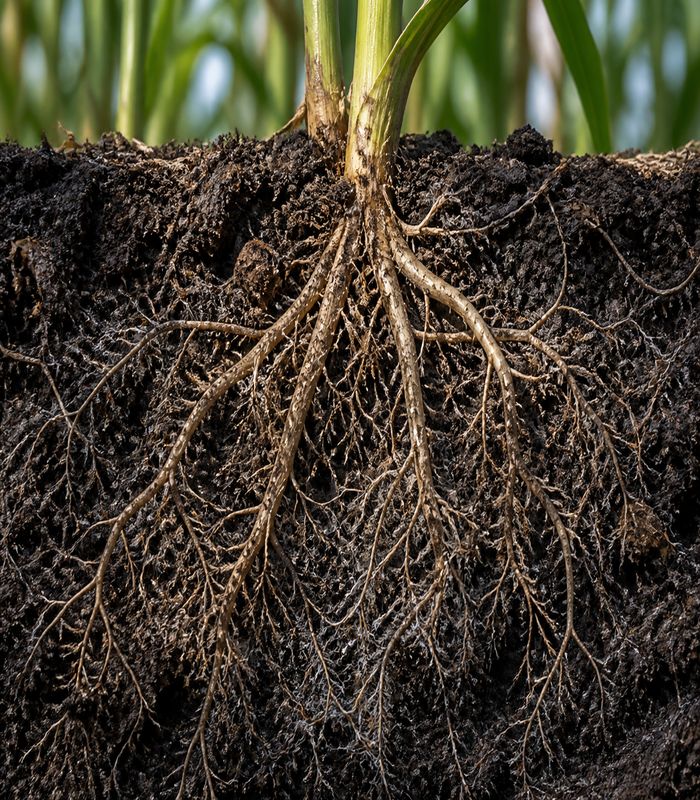
The biggest advantage of the biopellet is that it significantly increases the carbon in the soil. When carbon increases, beneficial bacteria and humus in the soil also increase.
This improves the productivity of the crop. The increased presence of beneficial fungi like mycorrhizae helps the roots to effectively absorb nutrients.
The activated carbon contained in the biopellet acts as a mechanism that releases nutrients with precision.
Currently, Jai Vayo is being tested in farming methods focused on pepper, paddy, coffee, vegetables, and spices.
Pepper
Paddy
Coffee
Vegetables
Spices
What is Jai Vayo Biopellet used for?
Jai Vayo Biopellet is used as a soil preparation mixture, soil conditioner, and bio-stimulant. According to the article, it helps address declining soil carbon, nutrient leaching, and the loss of beneficial microbes by releasing its components directly into the soil.
How does a biopellet improve soil health?
The biggest advantage mentioned is that the biopellet significantly increases carbon in the soil. When carbon increases, beneficial bacteria and humus also increase. This improves crop productivity and supports better nutrient absorption through beneficial fungi like mycorrhizae.
Is Jai Vayo Biopellet fully organic?
Jai Vayo currently has three types of biopellets. One contains fully organic components, the second is semi-organic and mixed with partial chemical fertilizers, and the third is crop-specific. The crop-specific category has been prepared for tubers, paddy, coffee, and vegetables.
Can biopellets be used in grow bags and terrace gardens?
Yes. The article states that the biopellet is suitable not only for farmlands but also for grow bags, terrace gardens, and homestead farming. It can be applied directly to soil or mixed with water, sand, and other materials before spreading.
Which crops are currently being tested with Jai Vayo?
Jai Vayo is currently being tested in farming methods focused on pepper, paddy, coffee, vegetables, and spices. The crop-specific biopellet category has already been prepared for tubers, paddy, coffee, and vegetables.
Can this biopellet work in hydroponics?
Research to modify this product for the soilless farming method of hydroponics is in progress, according to P.G. Ajikumar. At present, the article mainly describes its application in soil-based systems such as farmlands, grow bags, terrace gardens, and homestead farming.