In today’s article, we will clearly explain one of the most commonly asked questions by home gardeners and farmers:
- What is the difference between NPK fertilizer and DAP fertilizer?
- Which fertilizer is best for plants?
- How and when should these fertilizers be applied?
- What are the benefits and precautions?
This detailed guide will help you choose the right fertilizer for healthy plant growth, flowering, and fruiting.
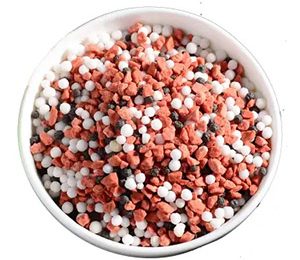
What is NPK Fertilizer?
NPK fertilizer is a balanced plant nutrient that contains three essential macronutrients:
Nitrogen (N)
- Responsible for green color in leaves
- Essential for leafy growth
- Helps plants grow faster, especially during early stages
✔ Ideal for leafy vegetables, indoor plants, coleus, foliage plants, and young saplings.
Phosphorus (P)
- Supports root development
- Essential for flowering and fruiting
- Helps plants establish quickly after planting or transplanting
✔ Ideal for flowering plants, fruiting crops, root development, repotting, and early plant growth.
Potassium (K)
- Strengthens plant immunity
- Improves flowering quality
- Enhances overall plant health and stress tolerance
✔ Ideal for flowering and fruiting plants, plant immunity, stress resistance, and mature crop health.
👉 Each of these nutrients plays a crucial role in plant growth and development.
NPK Fertilizer Ratios Explained
NPK fertilizers are available in different ratios, depending on plant requirements:
Common NPK Ratios and Uses
High Nitrogen
✔ Best for leafy growth and young plants
Low nitrogen, High Phosphorus & Potassium
✔ Best for flowering and fruiting plants
Balanced Fertilizer
✔ Suitable for general use at all growth stages
👉 For most home gardeners, 19:19:19 is the safest choice.
👉 For big trees use slow-release NPK fertilizers.
Organic vs Chemical NPK Fertilizers
Organic Sources of NPK
- Kitchen waste compost
- Cow dung manure
- Bone meal & Eggshell powder
⚠ Organic fertilizers release nutrients slowly, so plants take time to absorb them.
When to Use Chemical NPK Fertilizer
- When plants show slow growth or nutrient deficiency
- When organic manure is not giving visible results
- For quick recovery of weak or stunted plants
⚠ Chemical fertilizers should be used only once in 10–15 days and in limited quantities.
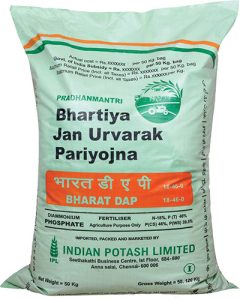
What is DAP Fertilizer?
DAP stands for Di-Ammonium Phosphate.
Nutrient Composition of DAP
- Nitrogen – 18%
- Phosphorus – 46%
- Potassium – 0%
👉 This is the main difference between NPK and DAP fertilizer.
Benefits of DAP Fertilizer
- Excellent for root development
- Helps plants recover after repotting
- Encourages flower and fruit formation
- Improves early-stage plant establishment
Key Difference Between NPK and DAP Fertilizer
| Feature | NPK Fertilizer | DAP Fertilizer |
|---|---|---|
| Nitrogen | Yes | Yes |
| Phosphorus | Yes | High |
| Potassium | Yes | No |
| Best For | Overall growth | Root development |
| Use Stage | All stages | Transplanting & flowering |
When and How to Use DAP Fertilizer
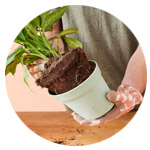 During Repotting
- Add 4–5 granules of DAP to the potting mix
- Helps heal root damage and promotes faster recovery
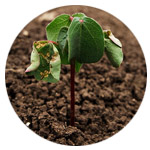
For Weak or Stunted Plants
- Especially useful for roses and flowering plants
- Helps improve root strength and plant vigor
When and How to Use DAP Fertilizer
During Repotting
- Add 4–5 granules of DAP to the potting mix
- Helps heal root damage and promotes faster recovery
For Weak or Stunted Plants
- Especially useful for roses and flowering plants
- Helps improve root strength and plant vigor
How to Apply NPK and DAP Fertilizers
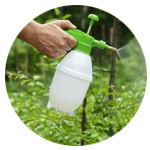 Liquid Application (Recommended)
- Mix 1 teaspoon fertilizer in 1 liter of water
- Apply as soil drenching or foliar spray
⏱ Frequency: Every 10 days
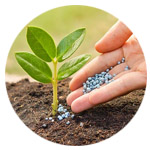
Granule Application
- Small pots: 3–4 granules
- Ground plants: 5–6 granules near the root
⏱ Frequency: Every 15 days
How to Apply NPK and DAP Fertilizers
Liquid Application (Recommended)
- Mix 1 teaspoon fertilizer in 1 liter of water
- Apply as soil drenching or foliar spray
⏱ Frequency: Every 10 days
Granule Application
- Small pots: 3–4 granules
- Ground plants: 5–6 granules near the root
⏱ Frequency: Every 15 days
Can NPK and DAP Be Used Together?
Yes, NPK and DAP can be used together, but:
- Only in small quantities
- Avoid frequent mixing
- Observe plant response carefully
⚠ Important Precautions (Must Read)
- Never overdose
- Excess fertilizer can burn plant roots, cause wilting, and may ultimately lead to plant death
Conclusion
Both NPK and DAP fertilizers are highly useful when applied correctly:
- NPK fertilizer is best for overall plant growth, leaf development, and balanced nutrition.
- DAP fertilizer is ideal for root development, repotting, and flowering support.
Used wisely and in the right quantity, these fertilizers can significantly improve plant health, flowering, and yield.
⚠ Always prioritize organic fertilizers.
⚠ Use chemical fertilizers only as a supporting supplement.
⚠ In case of fertilizer overdose, apply more water to reduce heat stress on plant roots.
Which fertilizer is best for leafy plants?
Which fertilizer is better for overall plant growth?
NPK fertilizer is better for overall plant growth because it provides all three essential nutrients needed for leaves, roots, flowering, and plant health.
What is the main difference between NPK and DAP fertilizer?
The main difference is that NPK fertilizer contains Nitrogen, Phosphorus, and Potassium, while DAP fertilizer contains only Nitrogen and Phosphorus and has no Potassium.
Is DAP fertilizer good for flowering plants?
Can NPK and DAP fertilizer be used together?
Yes, NPK and DAP can be used together, but only in small quantities and not frequently, as overuse may damage plant roots.
Is DAP fertilizer easily available in nurseries?
DAP fertilizer is less commonly available in local nurseries but is widely available through online stores.
What should be done if too much chemical fertilizer is applied to plants?
If a fertilizer overdose occurs, water the plant thoroughly to dilute the excess chemicals and reduce the heat stress on the roots caused by chemical fertilizers. This helps prevent root damage and plant wilting.
How often should NPK fertilizer be applied?
Which NPK ratio is best for flowering and fruiting?
NPK 10:26:26 is best for flowering and fruiting because it has lower nitrogen and higher phosphorus and potassium.
How is DAP fertilizer applied to plants?
DAP fertilizer can be applied by:
- Mixing 1 teaspoon in 1 liter of water, or
- Adding 3–6 granules near the plant base, depending on pot or plant size.
Is DAP fertilizer suitable during repotting?
Yes, DAP fertilizer is especially useful during repotting as it helps repair root damage and supports new root growth.
Can chemical fertilizers damage plants?
Yes, overuse of chemical fertilizers like NPK and DAP can burn plant roots, cause wilting, and even kill plants if not used correctly.
Should organic fertilizer be used along with NPK or DAP?
Yes, organic fertilizers should always be the primary choice, and NPK or DAP should be used only as a supplement when plants need quick nutrition.