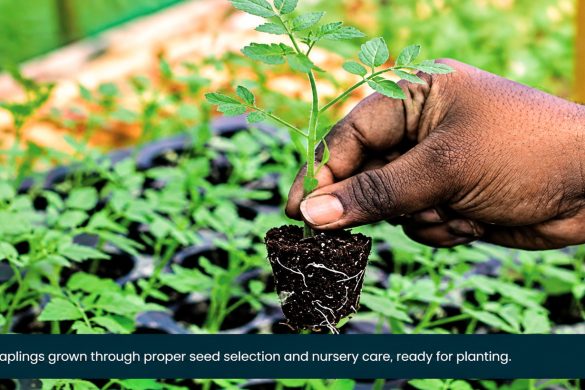
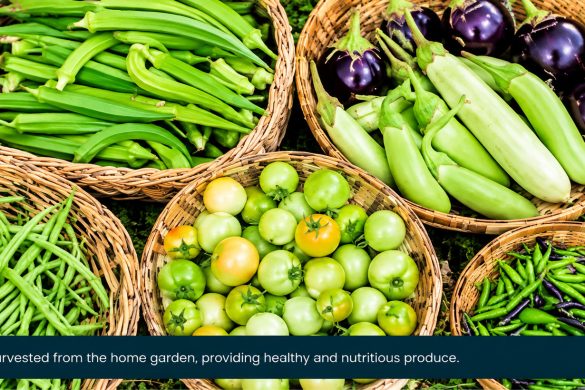
Parching sorghum (also called hurda, ponk, or sheetani) is a popular seasonal crop grown in dry regions of India like Karnataka and Maharashtra. It is valued for its tender, roasted grains and high nutritional benefits.
However, modern farming practices using excessive chemical fertilizers have led to:
❌ Declining soil fertility
❌ Lower crop quality
❌ Increased production costs
👉 This study explores how organic manures (both solid and liquid) can improve:
✅ Plant growth
✅ Yield
✅ Profitability
🔬 About the Study
- 📍 Location: Vijayapur, Karnataka
- 🌱 Crop: Parching Sorghum (SMJ-1 variety)
- 🧪 Design: 9 treatments, 3 replications
- 📅 Season: Rabi 2020
🌾 Soil Condition
- Low nitrogen
- Low organic carbon
- High phosphorus & potassium
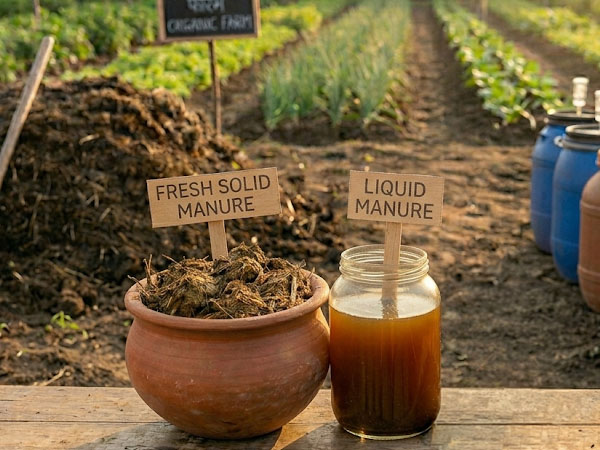
⚖️ Solid vs Liquid Organic Manures (Key Comparison)
| Factor | Solid Manures | Liquid Manures |
|---|---|---|
| Examples | Ghanajeevamrutha, Vermicompost | Jeevamrutha, Vermiwash, Cow Urine |
| Application | Basal (soil application) | Foliar spray (on leaves) |
| Nutrient Release | Slow and steady | Quick absorption |
| Role | Improves soil structure | Boosts plant growth instantly |
| Impact | Long-term fertility | Immediate growth response |
👉 Best Results: Combination of both solid + liquid manures.
🧪 Treatments Used in Study
Solid Manures:
- Ghanajeevamrutha (100% RDN)
- Vermicompost (100% RDN)
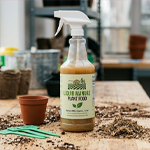
Liquid Sprays:
- Jeevamrutha (25%)
- Vermiwash (10%)
- Cow urine (10%)
📌 Sprays applied at:
- 20 Days After Sowing (DAS)
- 45 Days After Sowing (DAS)
🚀 Key Findings
🌿 Best Performing Treatment
👉 Ghanajeevamrutha (solid) + Jeevamrutha (liquid spray)
This combination gave the highest results in all parameters
Growth Performance
- Tallest plants: 176.5 cm
- Largest leaf area: 2358 cm²
📌 Reason:
- Natural growth hormones (IAA, GA3)
- Better nutrient availability
Yield Performance
- Highest roasted grain yield: 1505 kg/ha
- Highest panicle weight: 77.79 g
👉 Why yield increased:
- Improved soil health
- Balanced nutrients
- Better photosynthesis
Economic Benefits
- 💵 Gross Returns: ₹1,59,480 / ha
- 💰 Net Profit: ₹1,22,208 / ha
- 📊 B:C Ratio: 4.28
📌 Meaning:
For every ₹1 invested → ₹4.28 return
📢 Key Takeaway
👉 Using both solid and liquid organic manures together gives maximum yield and profit.
👉 Sole use of solid or liquid alone is less effective.
🌍 Why This Matters for Farmers
- Reduces dependency on chemical fertilizers
- Improves soil fertility naturally
- Increases profit margins
- Sustainable and eco-friendly farming
The study clearly proves:
✅ Combining Ghanajeevamrutha (solid) with
✅ Jeevamrutha spray (liquid)
➡ Produces:
✅ Higher growth
✅ Better yield
✅ Maximum profit
🔗 Full Case Study
👉Read the complete research paper here:
https://www.biochemjournal.
❓ FAQ – Solid vs Liquid Organic Manure Benefits
What is the difference between solid and liquid organic manure?
Which is better: solid or liquid organic manure?
What are the benefits of solid organic manure?
- Improves soil structure and aeration
- Enhances long-term soil fertility
- Supports beneficial microorganisms
- Provides slow and steady nutrient release
What are the benefits of liquid organic manure?
- Quick nutrient absorption through leaves
- Boosts plant growth and leaf development
- Contains growth hormones (IAA, GA3)
- Improves crop yield in a short time
Why is combining solid and liquid manure more effective?
Solid manure improves the soil, while liquid manure boosts plant growth instantly. Together, they provide balanced nutrition, resulting in higher yield and better crop quality.
Which combination gave the best results in the study?
The best results were observed with:
Ghanajeevamrutha (solid manure) + Jeevamrutha foliar spray (liquid manure)
This combination produced the highest yield and profit.
How does liquid manure improve crop yield faster than solid manure?
Can farmers rely only on solid organic manure?
Is liquid organic manure cost-effective for farmers?
What is the best organic farming practice for sorghum?
The most effective method is:
👉 Basal application of solid manure + foliar spray of liquid manure