Home » What Should Be Done to Make Coconut Trees Yield More? A Simple Practice Farmers Follow

What Should Be Done to Make Coconut Trees Yield More? A Simple Practice Farmers Follow

by Ava Amelia
7 minutes read

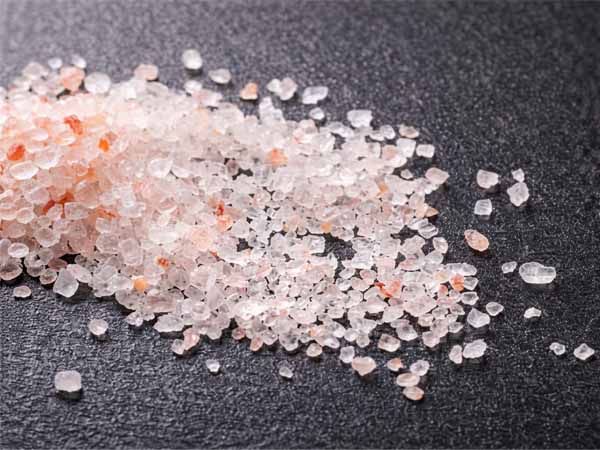
Rock salt is gaining attention as an affordable, natural fertilizer to support coconut tree growth and productivity. It supplies essential nutrients, especially chlorine, often deficient in inland plantations, and can enhance water retention and fruit yield when applied correctly.
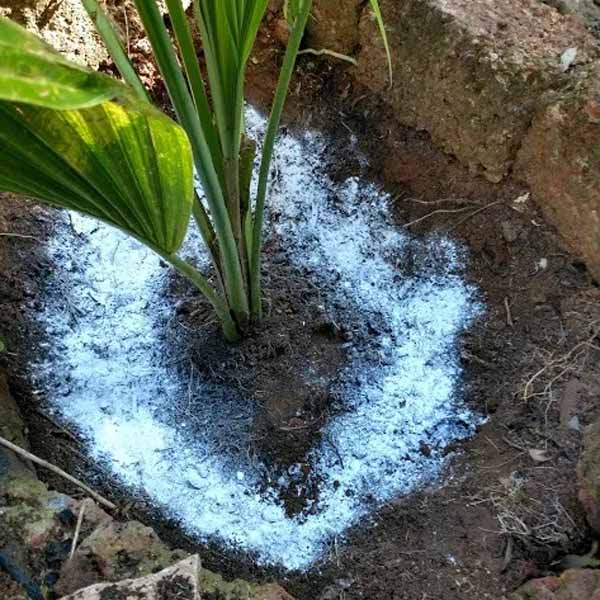
Coconut tree base with rock salt application

Why Rock Salt Matters for Coconut Trees

🔹 Nutrient Support

  • Chlorine Source: Contains ~60% chlorine, a key element in increasing copra weight and improving kernel quality.
  • Micronutrient Supply: Provides small quantities of other micronutrients beneficial to tree vigor.

🔹 Historical Use

  • Coconut farmers historically applied rock salt and charcoal to fields as natural fertilizers before modern chemical fertilizers became widespread.

🔹 Soil Conditions

  • Coastal coconut gardens may have sufficient natural salt levels, but inland soils often lack chlorine, limiting coconut tree performance.

Benefits of Applying Rock Salt

Key advantages when rock salt is used appropriately:
  • 🌴 Increases coconut fruit size and kernel thickness
  • 📈 Enhances water retention and nutrient uptake
  • 💪 Improves tree vigor and long-term productivity
  • 💰 More cost-effective than many chemical fertilizers

📌 Why This Works
This simple practice addresses a key nutrient gap that often goes unnoticed in inland coconut farms.

Benefits of Applying Rock Salt

🧂Recommended Dosage

Tree AgeRock Salt Dose
Young seedlings~1 kg per plant
Mature trees~2 kg per tree
  • Apply when the soil is moist, preferably during the rainy season.
  • Avoid applying when soil moisture is low, as salt can draw moisture away from roots and damage the tree.

🪴Best Timing & Method

  • Timing: Begin applications at the onset of monsoon conditions.
  • Placement: Place rock salt in a shallow ring around the base within the root zone.
  • Covering: Mix lightly with soil or cover with soil to prevent direct contact with roots.
Rock salt fertilizer ring around coconut tree
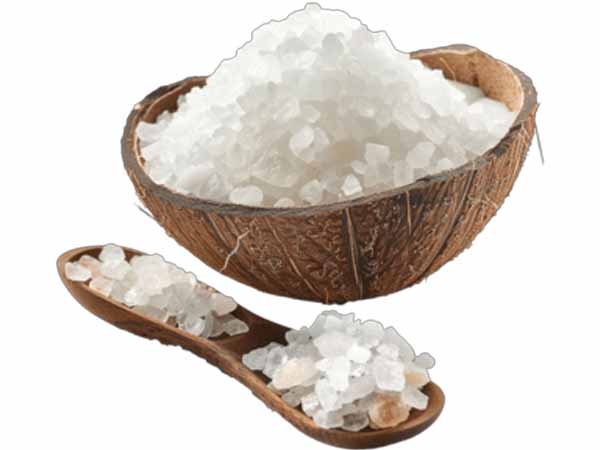
Measuring rock salt for coconut fertilizer application

Expert Recommendations

Applying rock salt can reduce reliance on more expensive fertilizer such as muriate of potash while maintaining nutrient balance. Salt application is traditionally recommended in rainy conditions to minimize risks of root dehydration and soil salinity issues.

📌 Common Mistake
Applying it during dry soil conditions can reduce effectiveness and harm root health.

Important Safety & Soil Health Tips

⚠️ Use rock salt judiciously. Excessive salt in dry soil can draw water out of roots and harm tree growth. Apply only when soil moisture is adequate and within recommended doses.

Conclusion

Rock salt can be an effective, low-cost fertilizer for coconut trees when used correctly, helping supply essential chlorine and improve overall tree performance. Proper dosage, timing (rainy season), and application techniques are critical to maximizing benefits and avoiding soil stress. Combined with traditional nutrient management practices, rock salt can support healthier trees and better yields in coconut farming.


Frequently Asked Questions (FAQ)

Does rock salt really help coconut trees?
Rock salt supplies chlorine and trace minerals that may improve fruit size, copra weight, and tree vigor when soils are deficient.
Apply rock salt when soil is moist, ideally at the start of the rainy season to reduce stress and improve absorption.
Typically, ~2 kg per mature tree and ~1 kg for young seedlings, applied around the base within the root zone.
Yes. Excessive salt in dry soil can draw moisture away from roots and harm the tree, which is why controlled application and proper timing are essential.
Rock salt is more affordable and can supplement nutrients, but it may not replace balanced fertilizers entirely where multiple nutrient deficiencies exist.
Yes, lightly mixing or covering rock salt with soil improves effectiveness and reduces direct contact damage to roots.
Use food-grade or agricultural rock salt containing high sodium chloride. Avoid table salt or high-iodized salt for large application quantities.
Apply rock salt once a year during the rainy season or based on soil deficiency conditions.
Salt provides chloride, which is known to support coconut nutrition where deficiency occurs, especially in inland soils with low natural chlorine levels.
Yes, when properly applied with soil moisture present, salt can help regulate water balance and nutrient uptake.
Applying a traditional mineral supplement during the rainy season helps improve nutrient availability, water retention, and overall tree productivity.
Yield differences are often caused by soil nutrient imbalance, moisture stress, and lack of essential trace elements needed for fruit development.
The ideal time is when the soil is naturally moist, especially during the onset of monsoon, to avoid root stress and maximize absorption.
Young trees generally require about 1 kg, while mature trees can benefit from up to 2 kg when applied within the root zone.
Yes. Farmers report thicker kernels, heavier nuts, and improved copra quality when applied correctly.
Excessive application or use during dry soil conditions can reduce moisture availability near roots, which may affect growth.
Yes. Inland soils often lack certain naturally occurring minerals found in coastal areas, making this practice particularly effective.
No. It works best as a supplementary practice, alongside balanced nutrient management.
Once a year during favorable moisture conditions is generally sufficient.
This method has been followed by farmers for generations before chemical fertilizers became common.

You may also like