

227
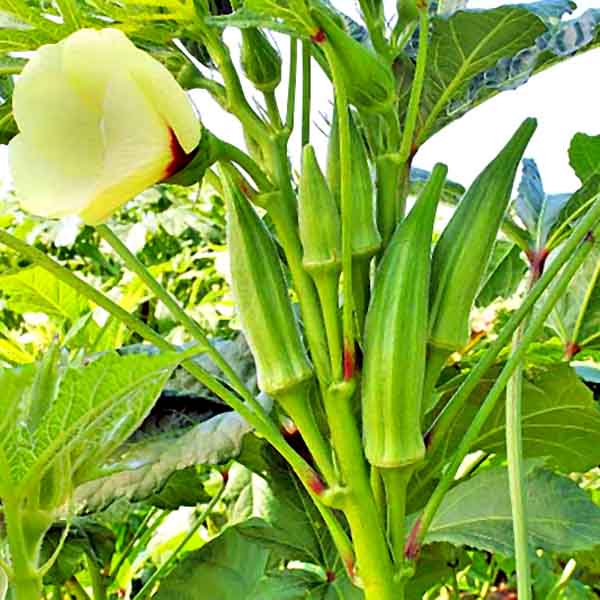
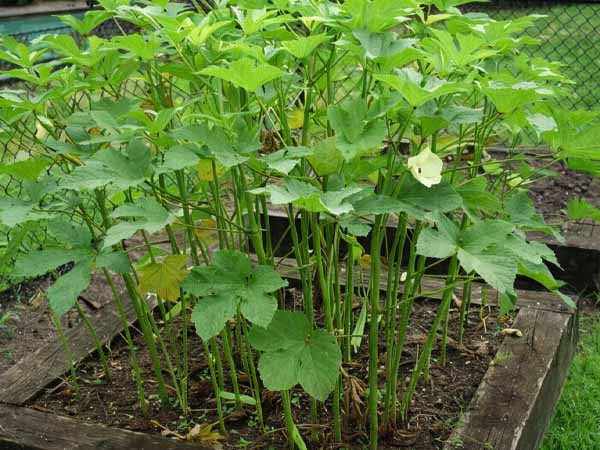
Lady’s finger or Okra is that one vegetable which loves back the one who loves them. It is one of the most common and favorite vegetables of any kitchen. We can easily grow okra in our backyard. It can be planted in specially prepared soil or grow bag.
Top Varieties of Okra Available
- Salkeerthi (Light green fruits)
- Kiran (Red fruits)
- Aruna (Red fruits)
Mosaic disease resistant varieties
- Arca Anamika
- Arca Abhay
- Susthira
- Anjitha
- Manjima
Best planting months
- February – March
- June – July
- October – November
How to Grow Okra in Soil
- Maintain a distance of 60 cm between rows
- Maintain 45 cm between plants in each row
- Organic manure or compost can be used as base manure
- Fertilizer should be applied at the rate of 48 kg per cent
Fertilizers Recommended
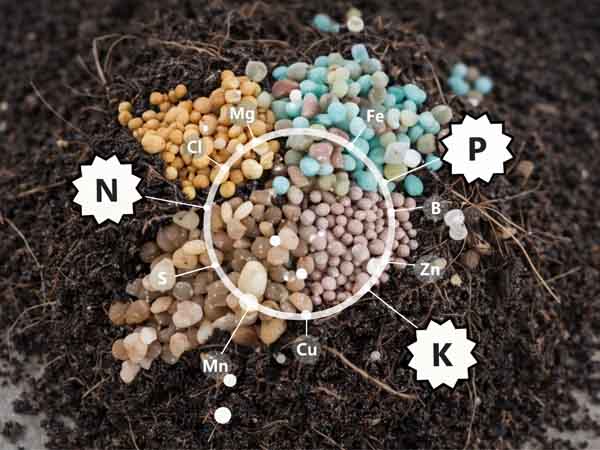
- Apply NPK fertilizer at the time of sowing
- Nutrient requirement per set:
- Nitrogen – 220 g
- Phosphorus – 140 g
- Potassium – 250 g
How to Grow Okra in Grow Bag
Planting Mixture Preparation
- Always pay attention to the proportion of the planting mixture
- Mix topsoil, dung manure and cocopeat in equal proportions
- Fill the mixture up to three-quarters of the grow bag
Additives Per Grow Bag
- Bone meal – 100 g
- Neem cake & Ash – 100 g
Sowing & Care
- After 10 days, remove weeds
- Sow seeds in the prepared grow bags
- Organic manures such as bone meal, ash and compost are recommended
- Only moderate amount of watering is required for the saplings
Common Pests in Okra & Their Organic Control Methods
Keeping your plants healthy requires timely identification of pests and applying the right organic solutions. Below are some common pests along with effective control methods.

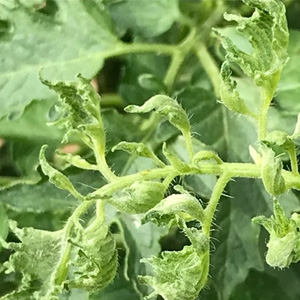
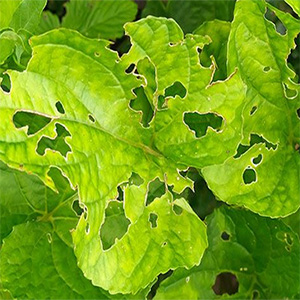
🍃 Leaf Curlers
Larvae curl leaves and feed from inside, making them difficult to spot.
Damage Symptoms:
- Leaves curl and dry
- Reduced photosynthesis
- Weak plant growth
Control Methods:
- Pluck and destroy affected leaves
- Spray Beauveria bassiana at 10% strength
- Encourage natural predators like ladybird beetles and lacewings for biological control

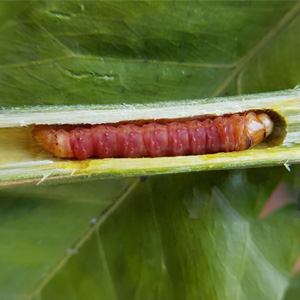
🐛 Fruit and Stem Borers
Larvae bore into fruits and stems, causing internal damage.
Damage Symptoms:
- Holes in fruits and stems
- Premature fruit drop
- Reduced yield
Control Methods:
- Remove and destroy affected plant parts by burying them deep in soil
- Spray neem oil or neem seed extract (5% concentration)
- Apply sprays at 20-day intervals
- Install pheromone traps (10–12 per acre) to control adult moth population

🌿 Leafhoppers
Small greenish insects usually found at the base of leaves.
Damage Symptoms:
- Yellowing of leaves
- Stunted plant growth under severe infestation
Control Methods:
- Spray 2% neem oil–garlic mixture
- Alternatively, use Nimbicidin @ 2 ml per liter of water

Common Precautions to Prevent Diseases in Okra
- Avoid regular cultivation in the same soil to prevent Fusarium fungal infection
- Use disease resistant varieties like Arca-Anamika to prevent mosaic disease
- Use neem oil-garlic mixture (2% strength)
- Seed treatment with Trichoderma before planting prevents seedling withering
FAQ
Which months are best for planting okra?
February–March, June–July, and October–November are ideal.
Can okra be grown in grow bags?
Yes, okra grows well in grow bags with proper soil mixture and organic manure.
Which okra varieties are disease resistant?
Arca Anamika, Arca Abhay, Susthira, Anjitha and Manjima are mosaic resistant.
What fertilizer is best for okra plants?
NPK fertilizer applied at sowing along with organic manure works best.
How can pest attacks in okra be prevented naturally?
Neem oil, neem seed extract, garlic mixture, and Beauveria basiana are effective.