By Dr. Gopalakrishnan Veliyaveettil
Assistant Professor (Agri Research), Kottakkal Arya Vaidya Sala
Kurunthotti is one of the main ingredients in Ayurvedic medicines. It is also a plant required in large quantities for medicinal preparations. Consequently, its demand in the market is increasing.
Every year, various medicinal manufacturing units in Kerala use between 50,000 to 3 lakh kilograms of dried kurunthotti. Sourcing from forests and through cultivation is not enough to meet this demand. For several years now, kurunthotti has been brought in from other states.
🌿 This presents an opportunity for farmers, especially because kurunthotti can also be intercropped for two years in rubber plantations.
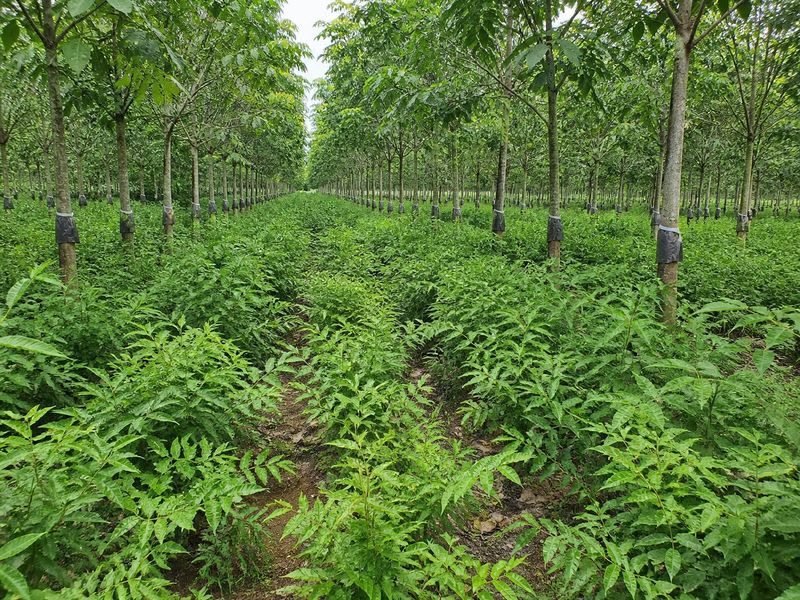
Kurunthotti can be considered as a medicinal crop option where the right variety and market are confirmed in advance.
It is customary for medicinal manufacturing units to secure a year’s requirement in advance. Therefore, it is wise to discuss with the medicine manufacturers about price and the required quantity and enter into an advance contract before starting cultivation.
Kerala medicinal manufacturing units use 50,000 to 3 lakh kg dried kurunthotti every year.
Sourcing from forests and through cultivation is not enough to meet this demand.
For several years now, kurunthotti has been brought in from other states.
Discuss price, required quantity and advance contract terms before starting cultivation.
In the plant family that includes kurunthotti, or Bala, there are many plants. In Ayurveda, kurunthotti itself has many types, such as Bala, Athibala, Mahabala, and Nagabala.
Of these, Bala is the one required in larger quantities and is also what is commonly used in Kerala. Before proceeding with cultivation, one can discuss with the manufacturers and choose the correct variety.
⚠️ Unfortunately, many of the important kurunthotti varieties are not suitable for cultivation. Confirm the required type with the buyer before planting.
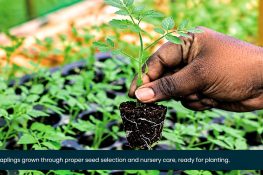
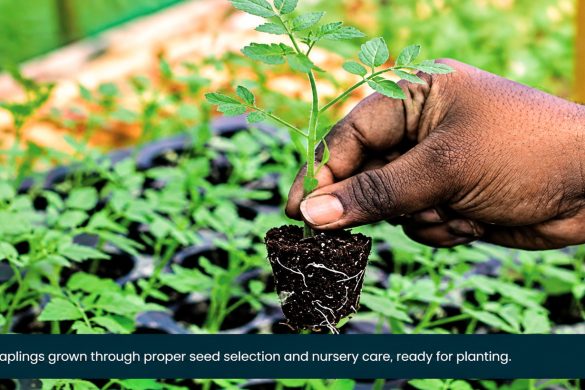
In Tamil Nadu, it can be planted as an intercrop, and it can also be intercropped for two years in rubber plantations. Cultivation can be done by sowing seeds and transplanting the sprouted seedlings, or by broadcasting the seeds.
It is also suitable to be cultivated as a standalone crop.
- ✅ Can be planted as an intercrop in Tamil Nadu.
- ✅ Can be intercropped for two years in rubber plantations.
- ✅ Can be cultivated by sowing seeds and transplanting sprouted seedlings.
- ✅ Can also be cultivated by broadcasting the seeds.
- ✅ Suitable as a standalone crop where conditions and market arrangements are favorable.
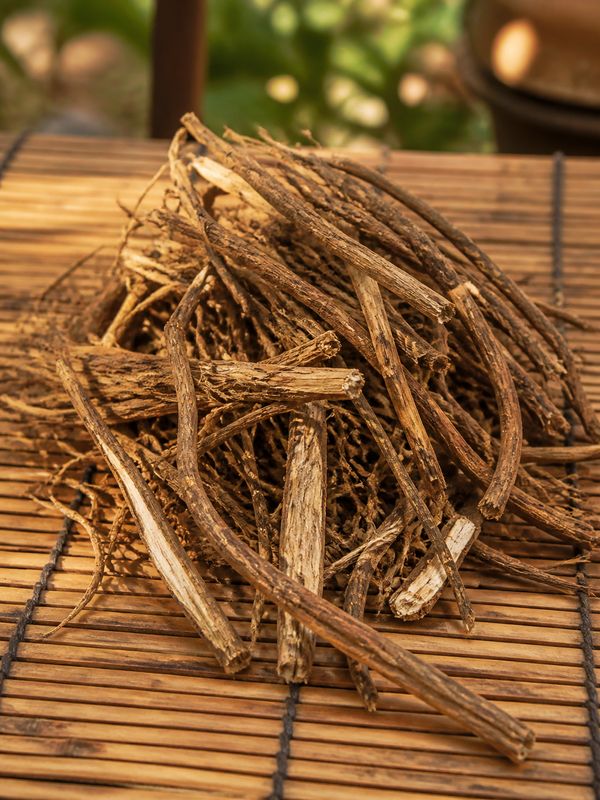
The root and stem are the usable parts of kurunthotti after proper drying.
It can be harvested when it flowers, the pods mature, and the leaves begin to fall. The root and stem are the usable parts.
For the properly dried product, one can get Rs. 90 to Rs. 110 per kilo at Kaithani Cherukunnatharayil. The price at Kaithani Cherukunnamtharayil is rising.
From a good plot of land, one can get 1500 to 2000 kilograms of dried kurunthotti per acre, which is 6000 to 8000 kilograms when fresh.
📞 For more information: 0483 – 2808251 / 2808383