Author: R. Veenaraghavan, Assistant Director (Retd.), Department of Agriculture
Contact: karisha@mm.co.in, veena4raghavan@gmail.com
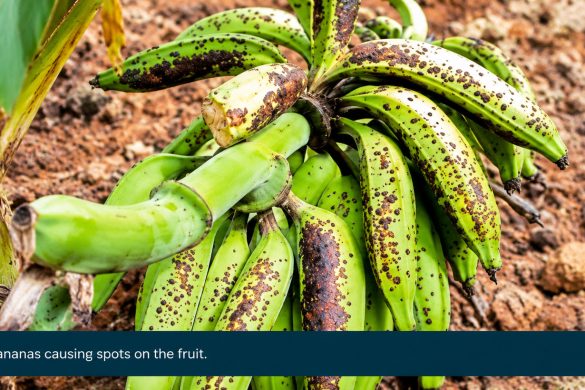
Nutrient Drop in vegetable crops often becomes visible through yellowing, stunting, leaf spots, root rot, and reduced fruit-bearing capacity. The following field notes focus on causes and control methods for major diseases in vegetables, especially brinjal, okra, and beans.
Early action is important. Disease control must be done at the very beginning, infected parts should be carefully removed, and the field should be managed so there is proper drainage, no water stagnation, and no nutrient deficiency.
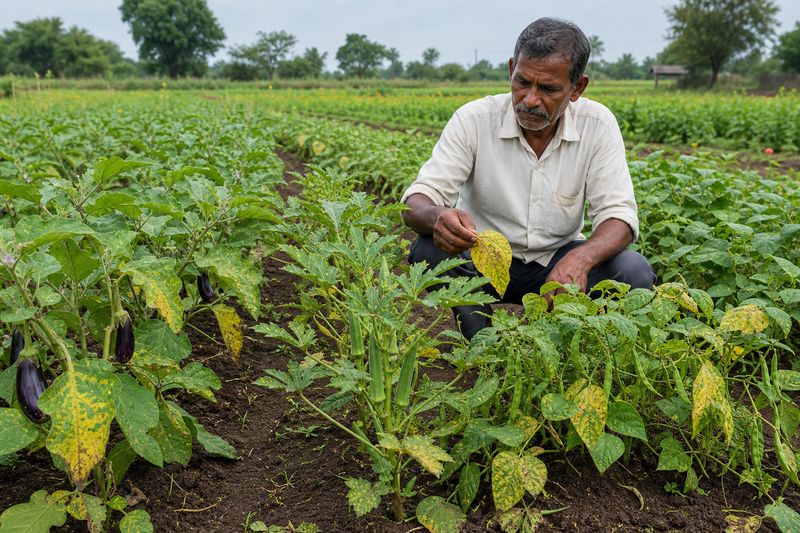
Brinjal Mosaic
Yellow and green mix on leaves, stunted growth, and yellow lines.
Mosaic in Okra
Leaves turn yellow, veins become prominent, and fruits shrink.
Root rot in beans
Bottom leaves yellow, roots and plant base turn black and rot.
Leaf spot on Brinjal
Powder-like spots, yellow or light green leaf spots, and sudden burns.
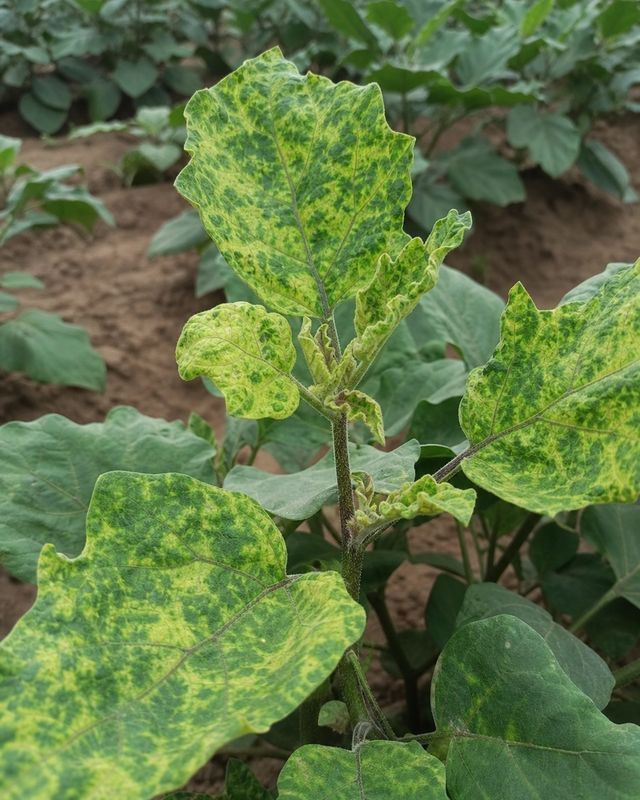
This suvi-mosaic is transmitted in the soil by an energetic elike. Once it establishes in the soil, it spreads to all parts of the plant. The leaves show a mix of yellow and green colors. If infected, the plant’s growth is stunted. Lines may appear on the leaves in yellow color, or intermingled yellow and green.
- ✅ Disease control must be done at the very beginning.
- ✅ As soon as yellowing is seen on the leaves, such leaves should be carefully removed.
- ✅ In the farmland, ensure proper drainage to prevent water stagnation.
- ✅ Care can also be taken to select disease-resistant crop varieties.
Soil preparation: While preparing the soil for cultivation, add 3 kg of lime per cent of land. When making beds for cultivation, they should be prepared 15 days in advance, exposed to the summer heat, and ploughed well.
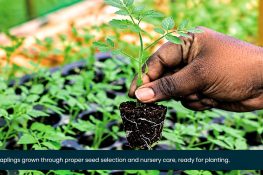
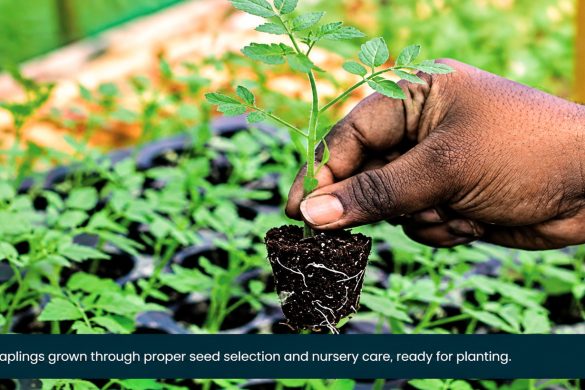
Planting care: When planting, mix 75 kg of neem cake and 25 kg of Pseudomonas at the base of the seedlings with the soil, leave it for 24 hours, and then plant the seedlings.
⚠️ Spray option: On the brinjal leaf, 1% Bordeaux mixture or 3 gm. of copper oxychloride can be mixed in one liter of water and sprayed.
The mosaic disease, where leaves turn yellow and the veins become prominent, is the main villain for okra. Newly forming leaves will become small and curled. Their fruit-bearing capacity will reduce. The fruits will turn yellow, shrink, become stunted, and harden.
Control whiteflies first: The vectors, whiteflies, should be controlled first. To repel whiteflies, neem-based pesticides, for example, Azadirachtin, can be sprayed by mixing 20 gm in one liter of water.
Destroy infected plants: Infected plants should be destroyed as soon as they are spotted. Infected plants should be uprooted and destroyed by burning. Seeds should not be collected from infected plants.
🌾 Disease-resistant varieties: Disease-resistant varieties such as Arka Anamika, Arka Abhay, Varsha, and Salkeerthi should be cultivated.
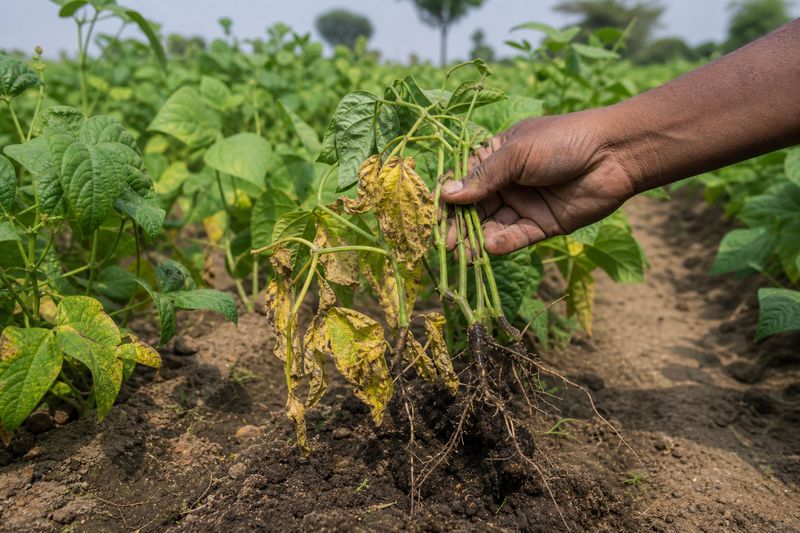
Root rot disease is widespread in bean cultivation. The primary symptom is yellowing seen on one or two bottom leaves, which then spreads to all the leaves, causing them to dry up and blacken.
Since the root and the base of the plant turn black, rot, and dry up, the bean plant’s health deteriorates and it wilts. If infected, a white fungus can also be seen on the upper side of the leaves.
- ✅ For prevention, drenching the plant bed by mixing 20 gm of Pseudomonas in one liter of water will prevent the disease.
- ✅ Spraying the leaves once every 15 days with a mix of 20 gm of Pseudomonas in one liter of water will help prevent the white fungus on the upper side of the leaves as well as rotting.
- ✅ Infected parts should be carefully cut and destroyed.
⚠️ Ensure that plants with symptoms do not have a nutrient deficiency. If there is no nutrition, sap-sucking insects may come and spread pathogens. 3 gm of ‘Vegetable Super’ can be mixed in one liter of water and sprayed.
Leaf spot seen on brinjal. Leaf spot diseases appear as if a powder is smeared on the leaves. Initially, the leaf spots can be seen in a yellow or light green color. Sudarsan soap-like leaf spots are prominent. Like in Konakasi, natural fungicides can be used.
- ✅ The pathogens multiply especially in places without light. This will cause sudden burns to the plants.
- ✅ All leaves that appear yellow should be cut and removed. These leaves will also fall off.
- ✅ Infected parts should be carefully cut and destroyed.
- ✅ Spray with a mix of 20 gm of Pseudomonas in one liter of water once every 15 days.
Ensure proper drainage and prevent water stagnation in the farmland.
Prepare beds 15 days in advance, expose them to summer heat, and plough well.
Carefully cut, remove, uproot, burn, or destroy infected plant parts as recommended.
Avoid nutrient deficiency so sap-sucking insects do not help spread pathogens.