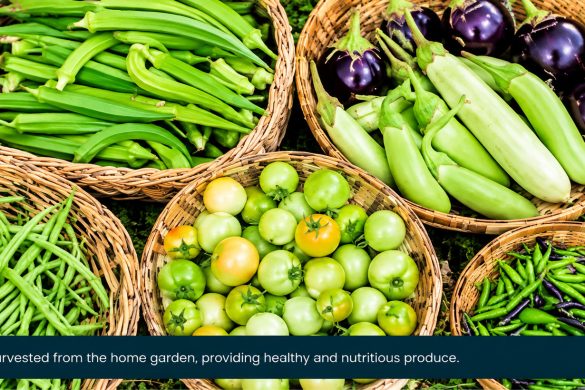
America’s new decision and the effort to overcome neighborhood competition in exports lead to success.
An easing of the anti-globalization trend is becoming evident. The severe pressure on the global market is easing. Indian exports have shown a promising revival. Although it came down a bit from last year’s record growth, the growth of 6% in exports in the 2025 financial year is significant. At the same time, the growth in imports from China has slowed down. Our dependence on them is decreasing. The export of products other than petroleum has increased by 17%. The revival of markets in America and Europe has helped. To counter the downturn in the global market, we must move on to new markets. The focus on neighboring countries for exports is no longer sufficient.
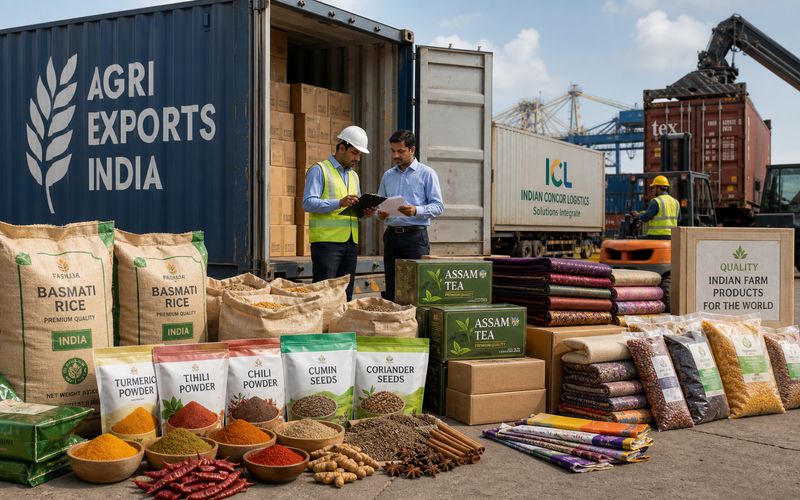
Indian exports are looking beyond neighboring countries as markets in America and Europe revive.
It is not only in free trade that good moves are happening in our foreign trade sector. Our exports to developed countries are increasing. A special agreement exists for duty-free export of our products to developed countries. India currently has 13 such preferential trade agreements. Although the 2006 Preferential Trade Agreement has brought products to our market, we haven’t been able to fully utilize it. Therefore, the country has now signed a comprehensive economic and trade agreement.
This will help our products, especially pharmaceuticals, textiles, and agricultural goods, to get markets. India is also a party to about 22 trade facilitation agreements. At the same time, the country has withdrawn from the Regional Comprehensive Economic Partnership (RCEP), the world’s largest free trade agreement. This is because it was felt that it would have an adverse impact on our domestic manufacturing sector.
🌾 An attempt to boost the country’s industry and the import-export of products.
The sight is of China and the European Union advancing in the export sector. They are capturing markets through new trade policies. The biggest challenge for Indian exporters is the Non-Tariff Measures (NTM). These are primarily based on quality. We need to formulate special technical-administrative measures to overcome such non-tariff barriers that are more dangerous than import duties. This is mainly the following.
Source-confirming safety and technical source regulations
Research in food safety, packaging, labeling, and standards has been made mandatory in many countries. Exporters must have proper certificates to verify the source. Otherwise, a situation arises where goods sent have to be brought back. Such regulations are now being strengthened by many countries.
Inflation involving global trade
Russia’s invasion of Ukraine has changed the old world order. Many countries, including India, are facing economic hardships due to the sanctions imposed on Russia. India’s stance is not to take sides with any country. What India wants is peace and negotiations. The G20 and other international platforms are being used for this. This means India can create an alternative system in the long chain of export goods. Our export goods can also find new markets. Our country has also been invited to the G7 meeting by countries like Italy and Germany. The UN has also come forward praising India’s growth.
Peaceful working conditions in the production process
This is crucial for India. At the international level, companies are now ensuring social security for their workers. This is also applicable to our products. Our country has now passed a new labor code for this.
Environmental protection and laws
According to many statistics, India has to face climate change. To overcome this, our country has implemented many laws and policies. This also helps our products. The carbon credit system is a prime example of this.
European Union Deforestation Regulation
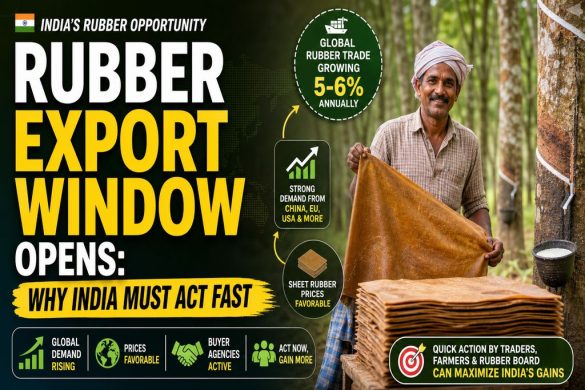
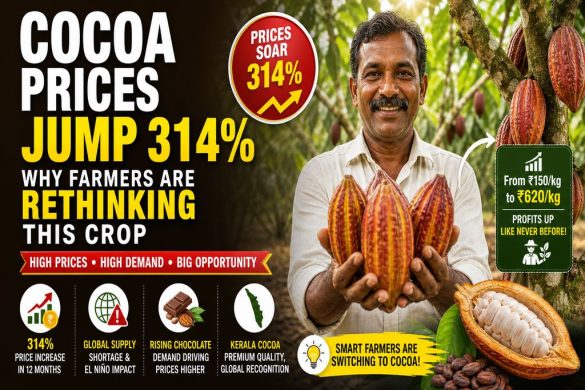
The system introduced by the European Union called the European Union Deforestation Regulation (EUDR) is a new regulation. This will affect our main export items like coffee, cocoa, palm oil, and rubber. The EUDR requires that products be produced without causing deforestation after December 31, 2021.
Codex food quality standards
Codex Alimentarius Commission, which sets standards for food production quality, has made it mandatory to limit the lead content in milk and milk products to 2 µg/g. India has opposed this. Many countries, including India, Pakistan, and Bangladesh, have stated that this is not acceptable. India and others have demanded that this regulation be reconsidered.
Pharmaceutical certification and credibility
Indian pharmaceutical companies that have received US Food and Drug Administration certification are exporting medicines. However, some companies are trying to tarnish the country’s image. There have been many reports of deaths caused by Indian cough syrup. Such incidents are a big blow to our credibility. Stricter inspections are needed.
⚠️ Aren’t such acts shameful? This must change. Now, emphasis has been placed on export promotion. Our products need a unique identity to reach the global market. There are many obstacles to overcome for this.
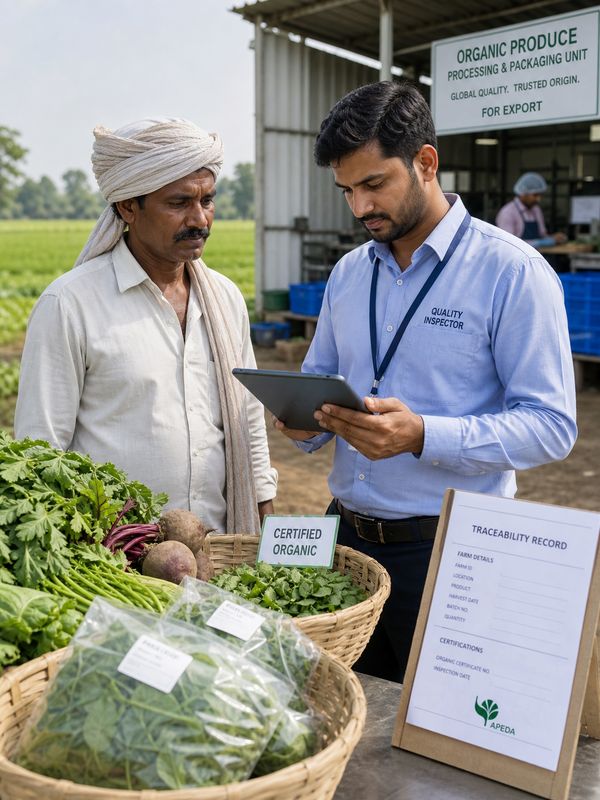
Quality, traceability, organic standards, and farm-level transparency are becoming central to exports.
Marine product export sector: There is great demand in the global market for products made using fresh water, purified water, etc. The United States, China, Europe, Japan, and Southeast Asian countries are the main markets. Our biggest challenge in the marine export sector is the stringent quality control inspections of developed countries. The Central Marine Fisheries Research Institute (CMFRI) has initiated research to overcome this and find new markets.
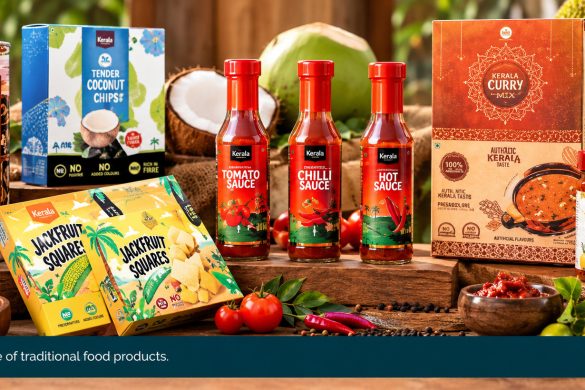
Organic products: The India-Australia Economic Cooperation and Trade Agreement also includes a Multi-Recognition Arrangement for Organic Products. This will help us to find a market for our organic agricultural products there. Similar agreements have been made with many other countries. This has helped our organic agricultural products, which previously did not have a large market, find a place. This also needs to be expanded.
Agricultural technology: After COVID-19, the biggest challenge the world faces is food security. This will help our agricultural products and processed foods gain a larger market. New technologies in the agricultural sector will also help with this.
Digital services: Economic and social laws
The country is far behind developed nations in this. Proper laws are needed for many digital services, which are now becoming an integral part of life. Such a system is necessary for the growth of our international trade.
Foreign trade documentation
The use of digital systems in modern-day trade is very important. Our systems need to be modernized to make trade promotion and documentation easy.
Transparency factors
It is alleged that child labor, lack of fair wage conditions, and corruption are prevalent in the agricultural production sector. A situation is emerging where countries are strengthening laws to prevent this. Major global brands will be obligated to provide accurate information about the products in their exports.
Fair trade and direct from the farm
This will help create a situation where our country’s products, produced with transparency and without exploitation, are in high demand. We need to be able to make the most of that. It is also alleged that there are many middlemen in our supply chain. This too has to change. To counter this, many countries have started ‘fair trade’ and ‘direct from the farm’ systems. This benefits the farmers directly.
Policy changes in agriculture and industry
The new agricultural policy is trying to bring about such changes. Similar arrangements are also coming in the industrial sector. The bill passed by the European Parliament is an example of this.
Why are Indian products entering new export markets now?
Indian exports are reviving because pressure on the global market is easing, markets in America and Europe are recovering, and exports other than petroleum have increased by 17%. The article also notes that India must move beyond neighboring countries and search for new markets to counter the downturn in global trade.
How much did Indian exports grow in the 2025 financial year?
Indian exports recorded a growth of 6% in the 2025 financial year. Although this was lower than the previous year’s record growth, the article describes it as significant. At the same time, the growth of imports from China has slowed, showing that India’s dependence on China is decreasing.
Which Indian products may benefit from new trade agreements?
New trade agreements are expected to help Indian pharmaceuticals, textiles, and agricultural goods find wider markets. Organic agricultural products may also benefit, especially through arrangements such as the India-Australia Economic Cooperation and Trade Agreement, which includes a Multi-Recognition Arrangement for Organic Products.
What are Non-Tariff Measures in export trade?
Non-Tariff Measures, or NTM, are barriers based mainly on quality, safety, traceability, packaging, labeling, environmental rules, labor standards, and technical regulations. The article says these barriers can be more dangerous than import duties because goods may be rejected or returned if exporters lack proper certification.
How will the European Union Deforestation Regulation affect Indian exports?
The European Union Deforestation Regulation may affect Indian export items such as coffee, cocoa, palm oil, and rubber. It requires that products be produced without causing deforestation after December 31, 2021. This makes farm-level traceability, documentation, and environmental compliance more important for exporters.
Why is transparency important for agricultural exports?
Transparency is becoming important because countries are strengthening laws against child labor, unfair wages, corruption, and exploitative supply chains. The article says major global brands will be obligated to provide accurate product information. This can benefit Indian products produced transparently and without exploitation.
What opportunities exist for organic farming exports from India?
Organic products have growing export potential because India has signed agreements that help recognition in foreign markets. The India-Australia agreement includes a Multi-Recognition Arrangement for Organic Products. Similar agreements with other countries have helped Indian organic agricultural products find a place where they previously had limited market access.