✍️ By Dr. C. George Thomas | Former Chairman, Kerala State Biodiversity Board
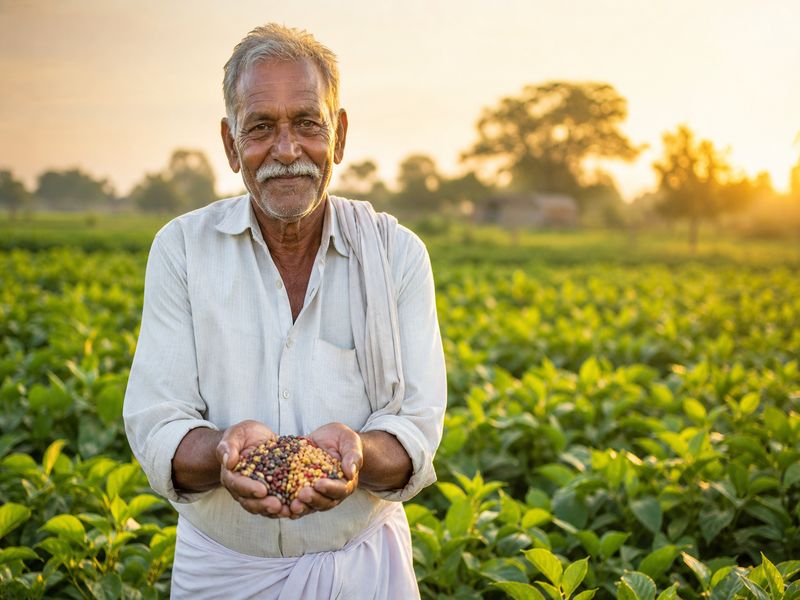
The foundation of agriculture is primarily the seed stock itself. Therefore, ensuring the quality of seeds sold in the market is the primary objective of seed laws. According to the Seed Act of 1966, for certain types of seeds, it was mandatory to certify their quality before marketing. Genetic purity, physical purity, germination capacity, moisture content, and seed health were the main criteria for quality.
However, seeds of local varieties, landraces, tuber crops, fruit trees, spices, and plantation crops (except for certain notified varieties) were not included in this framework — a gap that the new draft bill now seeks to address.
🌾 Farmer’s Fundamental Right: The farmer has the right to produce and use his own seeds — a principle that must remain at the heart of any seed legislation.
🔄 Why the 1966 Seed Act Is Being Amended
The central government has decided to amend the 1966 Act, which has many limitations in the current socio-economic-commercial-environmental context. The draft bill to amend the act has been prepared. The main objective of this amendment is to regulate the quality of all seeds, plants, and planting materials that are marketed. It also aims to facilitate the import and export of quality seeds.
One of the main criticisms against the current law is that it does not have adequate legal provisions to ensure the quality of seeds from the private sector, which plays a major role in the seed sector today. The draft bill, it is hoped, will address this issue.
📋 Structure & Key Proposals of the New Seed Bill
The proposed seed law has 48 sections across 10 chapters. Here are the main proposals:
📌 Mandatory Registration
Proposes mandatory registration of seed varieties sold in the country, along with seed producers, distributors, nurseries, and certification agencies. A farmer has the right to sell and exchange seeds he produced, other than for commercial sale. Legal action will be taken against those who supply substandard seeds, with provisions to compensate the farmer.
🏭 Registration for Seed Processing Units
All seed processing units must register with the state governments without fail as per the provisions of the proposed law.
🏛️ Central Benefits for Seed Producers
The bill emphasizes promoting the service and marketing network in the seed industry. A central licensing authority will be appointed for companies operating in more than one state. The private sector can also sell the seed production system to the central government. Authorized companies can enter into contracts with farmers to buy seeds at a pre-determined price.
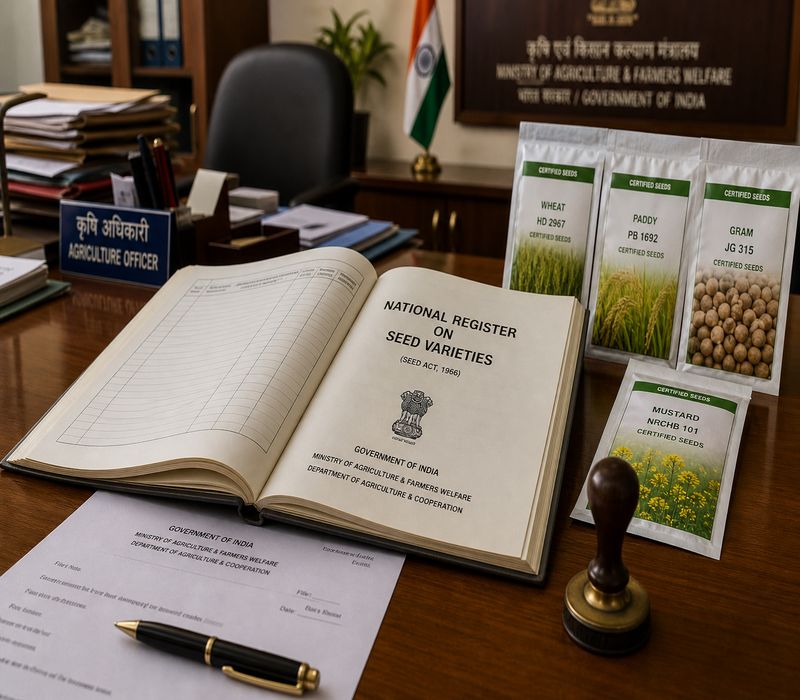
📚 National Register on Seed Varieties
A register for all types of seed varieties will be established as per the registration law. All new seed varieties must be added to this register.
📡 Complete Billing Traceability via SATHI Portal
Through the central government’s SATHI portal (Seed Traceability, Authentication, and Holistic Inventory), complete billing traceability will be ensured, along with clear labels for all seed products. Technology will track the journey of the seed from the producer to the distributor and from there to the farmers.
🔒 Intellectual Property Rights for New Seeds
The bill ensures intellectual property rights for new seeds and incorporates provisions for the protection of new varieties.
🔬 Value for Cultivation and Use (VCU): The Key Evaluation System
Value for Cultivation and Use (VCU) is a critical law and scientific system to assess whether a new seed is suitable for providing adequate agricultural, economic, and regional benefits to farmers before it is brought to the market. The draft law specifies that a new seed variety should be evaluated for at least two seasons in the agro-climatic zones for which it is recommended before being released for cultivation.
The draft law specifies that the Indian Council of Agricultural Research (ICAR), central and state agricultural universities, and other institutions recognized by them should evaluate the VCU.
However, there are many criticisms against the VCU evaluation system. It is costly. Genetic diversity, nutritional value, and resistance to pests and diseases are not considered primary criteria.

🏷️ Mandatory Labeling: It is mandatory to sell seeds in sealed containers. Each container should have a label with information such as the name of the variety, producer, date of production, shelf life, germination capacity, physical and genetic purity, etc.
❓ Major Doubts and Gaps in the Draft Bill
Several significant questions and gaps have emerged around the draft bill’s provisions:
🌿 Native Seed Registration Unclear
It is common for farmers to market traditional seed varieties. More farmers rely on native seeds because they ensure higher returns with lower investment and require less care. There is no clarity on how specific standards for ensuring the quality of native seeds, labeling, and registration will be followed. How can registration be done without precise definitions or criteria?
⚖️ Penalties & Farmer Rights
The sale of counterfeit seeds entails heavy penalties and imprisonment — a maximum fine of ₹30 lakh and 3 years imprisonment. At the same time, lesser fines are proposed for minor and trivial offenses. The farmer should be able to get a fair price for his seeds, sell, store, use, distribute, and share them, and all rights derived from this should be protected.
💰 Price Control Limitations
The selling price cannot be controlled in the basic documents. Based on the basic documents (considering seed production cost, inflation, etc.), they can be sold at a fair price. Or a settlement can be reached with the concerned farmers, or the central government can control the selling price of seeds of any price and variety.
🚢 Silence on Poor-Quality Imports
The bill is silent on the import of poor-quality seeds. Imports can be permitted based on bud-laboratory tests conducted in the exporting country and on the importers in the importing country, without adequate safeguards.
⚠️ Broader Concerns Raised by Experts & Organizations
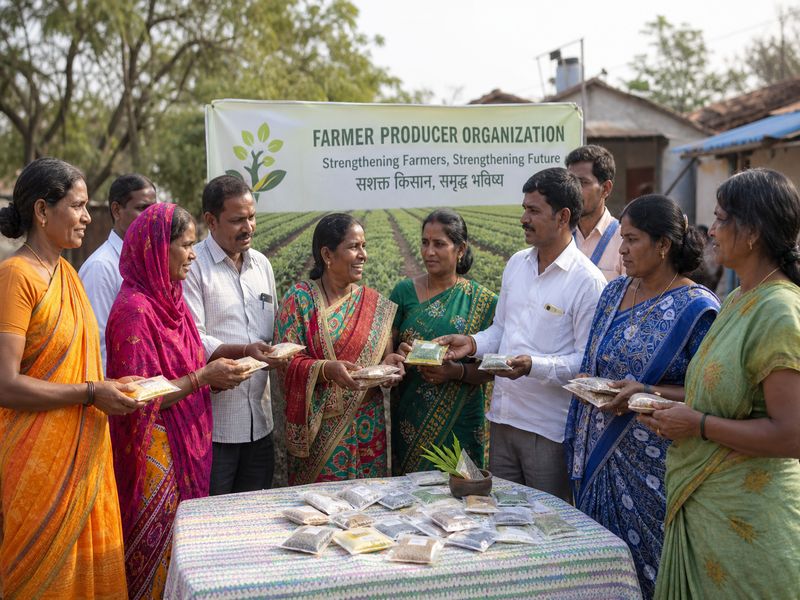
The proposals of the seed bill give rise to many concerns. There is a concern whether certain provisions will be made in favor of the private sector, foreign funds, and multinational seed companies, bypassing the public sector.
Farmer Producer Organizations (FPOs) can sometimes also be local distributors. An opportunity for company systems to approach with commercial interests to prevent this is hidden within the proposed bill.
There is also a concern that registration with corporate help and the use of breeding technology will benefit large seed companies more and affect small-scale consumers. This will control small-scale seed production and distribution systems.
- 🔴 Threat to Agro-Biodiversity & Farmers’ Rights: The existing Protection of Plant Varieties and Farmers’ Rights Act (PPVFR) guarantees farmers the right to save, use, exchange, share, and sell the seeds of protected varieties. Many provisions in the proposed seed bill are inconsistent with certain sections of this act.
- 🔴 Threat to Small-Scale Seed Enterprises: Private seed enterprises must comply with controlled registration and commercial licensing laws. Some small seed processing units and traders may be eliminated. Foreign countries may not have sufficient knowledge or capacity, and such regulations could destroy the seed processing and marketing networks.
- 🔴 Farmers May Face Undue Legal Action: If pesticides or organic fungicides have to be used on crops due to monsoon calamities as part of climate change, the prices that might be obtained for such unexpected measures create hardship. References include civil litigations in Central India and the Telangana government’s criminal proceedings against chili farmers.
- 🔴 Threat to Public Research Institutions: Many provisions in the bill impose a heavy burden on public research institutions. Their hard work — from developing varieties locally at the grassroots level — could be undermined, and private institutions could be promoted instead.
🧬 Biosafety Concerns Around Imported Seeds
According to the Environment (Protection) Act of 1986, distributing unauthorized organisms is a punishable offense. Imported seeds have serious biosafety violations. This is not seen in the new seed bill.
A law is needed to ensure that, along with imported seeds, until biosafety clearance is obtained, crops are not cultivated in public spaces in ways that adversely affect local diversity forms. This is necessary to prevent the introduction of invasive or ill-behaved species.
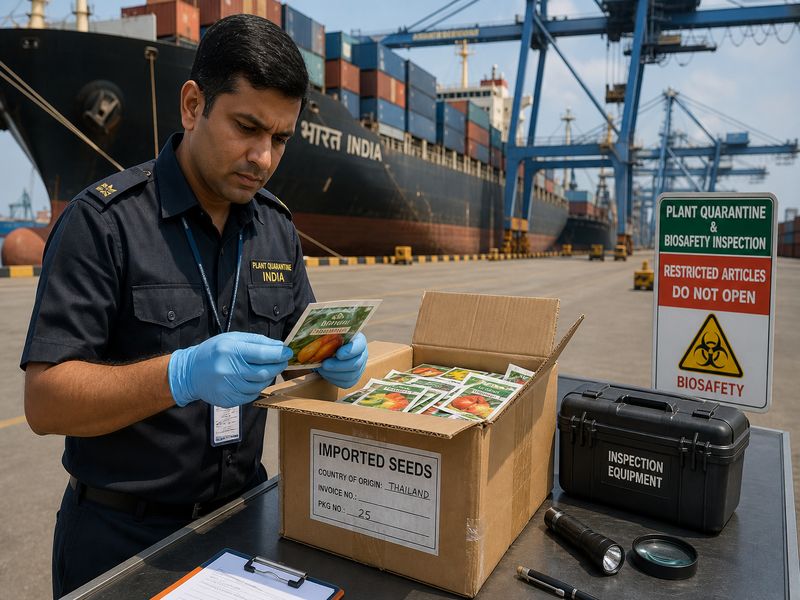
⚠️ Biosafety Gap: The new seed bill does not adequately address biosafety violations related to imported seeds — a critical omission that could allow invasive species to enter India’s agricultural ecosystem.
📝 Expert Assessment: What Needs to Change
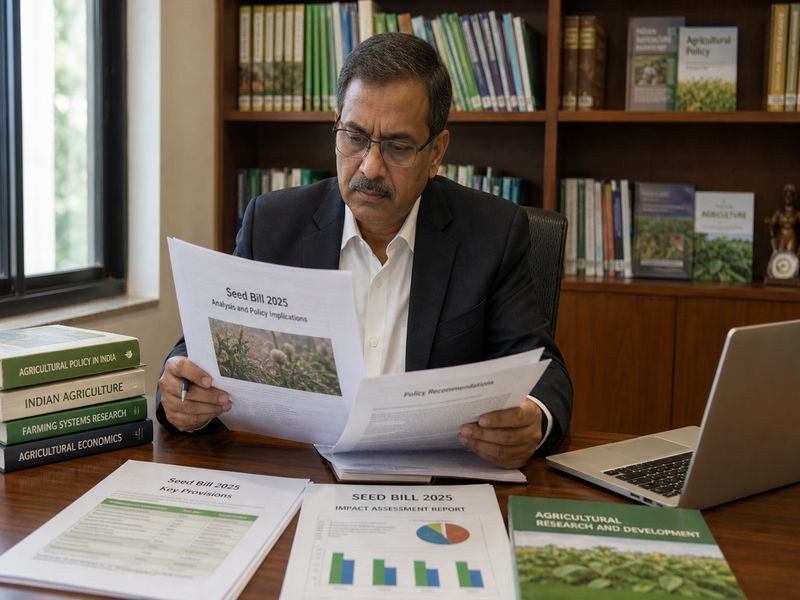
Proposals to modernize the Indian seed industry can be seen in the context of the Brazil Seed Bill – 2025. There are provisions aimed at quality, transparency, traceability, and consumer protection.
But there are serious concerns regarding the traditional rights of farmers, company marketers, public sector agricultural research institutions, and agro-biodiversity.
The proposed bill’s provisions that adversely burden farmers must be amended. Also, there are provisions that do not permit imports if they have not been subjected to tests, data about the bio-country has not been shared, and standards for public access have not been followed.
💡 Bottom Line: While the bill aims at quality, transparency, and traceability — admirable goals — its provisions must not come at the cost of farmers’ traditional rights, agro-biodiversity, small-scale seed enterprises, or India’s public agricultural research institutions.
❓ FAQ
➕ What is the main purpose of the new India Seed Bill?
The new India Seed Bill proposes to regulate the quality of all seeds, plants, and planting materials marketed in the country. It aims to make registration mandatory for seed varieties, producers, distributors, and processing units. It also seeks to facilitate the import and export of quality seeds, introduce traceability through the SATHI portal, and ensure compensation for farmers who receive substandard seeds.
➕ Can Indian farmers still save and sell their own seeds under the new Seed Bill?
The proposed bill states that a farmer has the right to sell and exchange seeds he has produced, other than for commercial sale. However, many provisions in the bill are seen as inconsistent with the existing Protection of Plant Varieties and Farmers’ Rights Act (PPVFR), which guarantees farmers the right to save, use, exchange, share, and sell seeds of protected varieties. Legal clarity remains a major concern.
➕ What is the SATHI portal and how does it work under the Seed Bill?
SATHI stands for Seed Traceability, Authentication, and Holistic Inventory. It is a central government portal that will be used to ensure complete billing traceability for all seed products. Through SATHI, technology will track the journey of the seed from the producer to the distributor and finally to the farmer, along with mandatory clear labeling on all seed containers.
➕ How does the new Seed Bill affect traditional and native seed varieties?
The bill mandates registration for all seed varieties, but there is no clarity on how standards for native seed quality, labeling, and registration will be applied. Since many farmers rely on traditional varieties for higher returns at lower investment, the lack of precise definitions or criteria for native seeds is a significant gap. This ambiguity could restrict farmers from freely marketing their traditional seed varieties.
➕ What are the penalties for selling fake or substandard seeds under the new bill?
The proposed bill classifies offenses into trivial, minor, and major categories. For serious offenses such as selling counterfeit seeds that cause significant harm to farmers, the bill stipulates a maximum fine of ₹30 lakh and up to 3 years of imprisonment. Lesser penalties apply for minor and trivial offenses. The bill also provides for compensation to farmers who suffer losses due to substandard seeds.
➕ What biosafety concerns does the new Seed Bill raise regarding imported seeds?
According to the Environment (Protection) Act of 1986, distributing unauthorized organisms is a punishable offense. However, the new seed bill does not adequately address biosafety violations related to imported seeds. Imports could be permitted based solely on tests from the exporting country. There is no strong provision to prevent the introduction of invasive species that could adversely affect India’s local agro-biodiversity.
➕ Will the new Seed Bill affect small seed enterprises and Farmer Producer Organizations?
Yes. Small seed processing units and traders may face elimination due to controlled registration and commercial licensing requirements. FPOs, which sometimes act as local distributors, could be approached by companies with commercial interests under provisions in the proposed bill. Experts warn that the bill may disproportionately benefit large seed companies while marginalizing small-scale seed production and distribution networks.
➕ How does the Value for Cultivation and Use (VCU) system work for new seed varieties?
The VCU system assesses whether a new seed variety is suitable for providing adequate agricultural, economic, and regional benefits before market release. Under the draft bill, each new variety must be evaluated for at least two seasons in the recommended agro-climatic zones by institutions such as ICAR and agricultural universities. Critics argue the process is costly and does not adequately consider genetic diversity, nutritional value, or pest resistance.