A claim circulated through social media suggesting that eating lettuce causes cancer. The origin of this misinformation traces back to an English report stating that people who consumed lettuce contracted a COVID infection. This report was later twisted and fabricated to allege that the E. coli bacteria responsible for the infection also causes cancer.
In reality, this claim is entirely false. Understanding the facts around lettuce, E. coli, and food safety can help you make informed decisions about what ends up on your plate.
The viral claim began with a misinterpretation of a legitimate report. Here is how the facts actually break down:
⚠️ The Original Claim
An English report found that people who ate lettuce contracted a COVID infection caused by E. coli bacteria. This was later twisted to claim that the bacteria — and therefore lettuce — causes cancer.
✅ The Actual Fact
The E. coli bacteria that caused the COVID infection has no relation whatsoever to cancer. The fabricated link between lettuce, E. coli, and cancer is medically unsupported and scientifically inaccurate.
E. coli (Escherichia coli) is a bacterium that spreads through human waste into water and food. When ingested through contaminated sources, it can cause a range of infections. However, it is important to understand what it does — and does not — cause.
🚫 Important: The E. coli bacteria that causes gut or urinary infections does not cause cancer. This is a medically confirmed fact. Any claim linking E. coli-related lettuce consumption to cancer is fabricated misinformation.
E. coli infections are known to cause:
- 💧 Diarrhea and gastrointestinal infections
- 🫀 Urinary tract infections (UTIs)
- 🤢 General foodborne illness symptoms
None of these conditions are linked to cancer development.
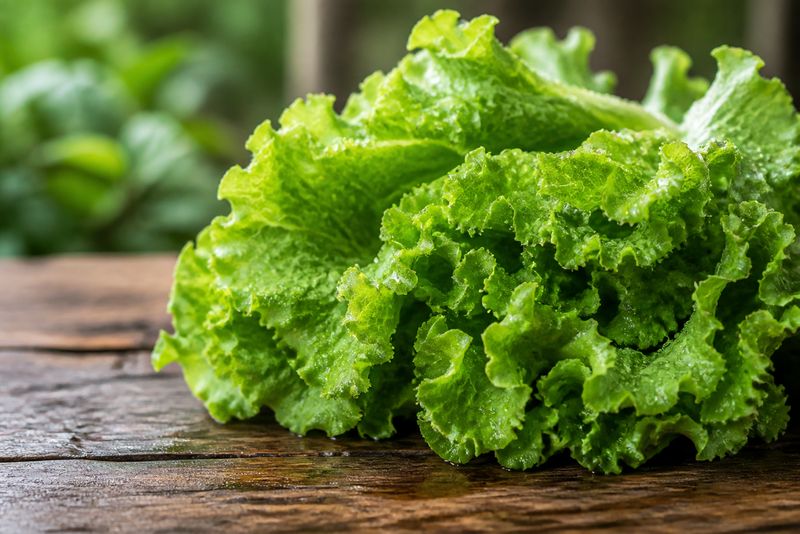
Far from being harmful, lettuce is a leafy vegetable rich in fiber and hydrocarbons that actively contributes to cancer prevention. Rather than avoid it, understanding its nutritional value reinforces why it belongs in a healthy diet.
High in Fiber
Supports digestive health and reduces risk of colorectal concerns.
Cancer-Preventive Properties
Rich in antioxidants and phytonutrients that help protect cells.
High Water Content
Keeps the body hydrated and supports overall metabolic function.
While lettuce itself is safe and nutritious, proper handling and food hygiene are essential to avoid any risk of bacterial contamination. Follow these simple steps to enjoy lettuce safely:
🚿 Wash Thoroughly — Always wash lettuce well in running water before use to remove any surface bacteria or contaminants.
🍃 Remove Outer Leaves — Discard the outer leaves, which are more exposed to environmental contaminants.
❄️ Refrigerate Properly — Store lettuce in the fridge at the correct temperature to maintain freshness and prevent bacterial growth.
🥗 Use Fresh — Consume within an appropriate time frame after purchase to ensure maximum nutritional value and hygiene safety.
💡 Pro Tip: Washing lettuce under cold running water for at least 30 seconds significantly reduces the risk of surface bacterial contamination, making it safe for consumption.
Does eating lettuce cause cancer?
No, eating lettuce does not cause cancer. In fact, lettuce is a leafy vegetable rich in fiber and hydrocarbons that actively helps in cancer prevention. The viral claim suggesting otherwise is based on a fabricated misinterpretation of a report about an E. coli-related COVID infection, with no scientific or medical basis.
Can E. coli from lettuce cause cancer?
No. The E. coli bacteria that can be found in contaminated food or water does not cause cancer. It may cause infections such as diarrhea and urinary tract infections when ingested, but there is no medically established connection between E. coli infection and cancer development.
How does E. coli spread into lettuce?
E. coli spreads through human or animal waste that contaminates water and soil. Lettuce grown in contaminated environments or washed with unsafe water can carry the bacteria on its surface. This is why proper washing and hygienic handling of fresh produce is essential before consumption.
Is it safe to eat lettuce every day?
Yes, lettuce is safe to eat daily when handled and washed properly. It is low in calories, high in fiber, and packed with essential nutrients that support overall health. Incorporating lettuce into your daily diet can contribute to better digestion and may help reduce cancer risk over time.
How should I wash lettuce to remove bacteria?
Wash lettuce thoroughly under cold running water for at least 30 seconds before use. Remove and discard the outer leaves as they are more exposed to contaminants. After washing, store lettuce in the refrigerator at the correct temperature to maintain freshness and prevent any bacterial growth.
What infections can E. coli actually cause?
E. coli bacteria that spreads through contaminated water and food can cause diarrhea, gastrointestinal infections, and urinary tract infections. In severe cases, certain strains can lead to more serious complications. However, cancer is not among the conditions caused or triggered by E. coli infections.
What nutritional benefits does lettuce offer?
Lettuce is a nutrient-rich leafy green that contains dietary fiber, hydrocarbons, antioxidants, vitamins A, C, and K, and a high water content. These properties support digestive health, boost immunity, promote hydration, and offer protective benefits against chronic diseases including certain types of cancer.