By Shibu. K. B. Udayabhanu
E-mail: ajournalist5@gmail.com
In the new financial year, there might be a change in the coconut market.
Across South India, farmers are watching fast-moving changes in crop prices, procurement, demand and climate-related production pressure. Coconut, cocoa, pepper, cardamom, coffee, areca nut and nutmeg are all showing important market signals for growers and traders.
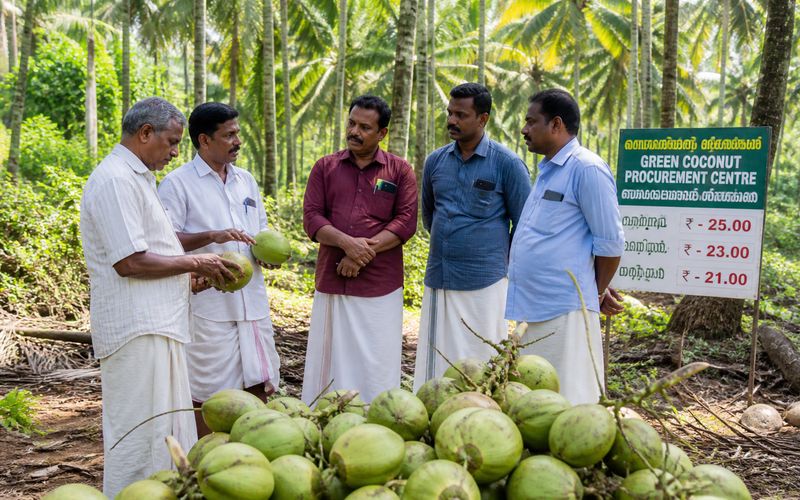
There are more than 30 lakh coconut farmers in the state. The fall in the price of the crop affects ordinary farmers the most. The procurement of green coconut at a support price by government agencies like NAFED and Kerafed is a relief to the farmers.
There were complaints against the slow pace of green coconut procurement. In the last financial year, the government had decided to give 19,000 rupees as a contribution. Of this, more than 17,000 rupees have already been given to the farmers. Another 1,250 rupees are yet to be given.
30 lakh+
coconut farmers in the state
NAFED and Kerafed
procurement gives relief
16,500 metric tons
NAFED procurement crossed
18,450 metric tons
current procurement
NAFED’s procurement has crossed 16,500 metric tons. The current procurement is 18,450 metric tons. The delay in paying for the green coconuts procured by Kerafed is causing hardship to the farmers.
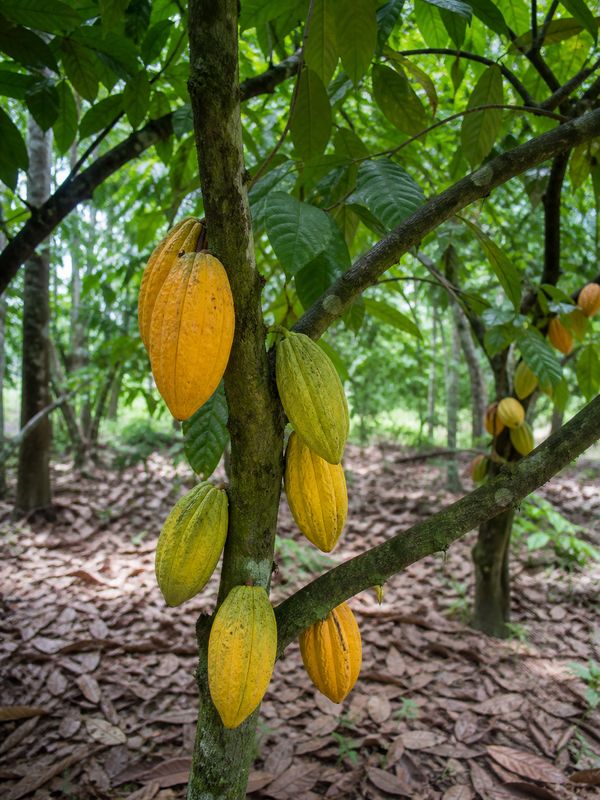
Southern Indian states have a prominent position in the country’s cocoa production. Cocoa is mainly cultivated in Kerala, Karnataka, Tamil Nadu, and Andhra Pradesh.
Cocoa is the main raw material in chocolates of major brands. All the major companies procure cocoa directly from the farmers. 80 percent of the cocoa produced in the country is used for making chocolate.
The price of dried cocoa beans has increased from 140 rupees to 400 rupees per kilogram. This is the biggest price hike in four decades. The price of green cocoa has increased from 25 rupees to 90-100 rupees.
📌 The reason for the global price rise is the decrease in production in major cocoa-producing countries like Ivory Coast and Ghana due to climate change. The price of cocoa in the global market is $9,000.
It is expected that production in the country will exceed 8000 metric tons this financial year. Last year it was 4,297 metric tons. The increase in demand in the chocolate industry has also led to a rise in price.
Some disruptions in the international market and an increase in demand may raise the domestic price of pepper in the country. Disruptions in supply from major producing countries like Vietnam and Brazil are the reason for the increase in demand for Indian pepper.
The easing of import restrictions on pepper in China has also led to an increase in demand. The price has increased by up to 700 rupees compared to the previous year. Last year at this time, the price was 53,000 rupees per quintal. Currently, it is above 60,000 rupees.
📈 Traders say that the price is unlikely to fall in the coming days as the production season has started.
The rise in daytime temperatures in the state since January has adversely affected cardamom plants. Although the summer rains arrived later, the subsequent increase in heat will severely affect the cardamom plants and production.
The decrease in production due to climate change has caused the price to rise. The price rise in the domestic and export markets has brought relief to the farmers. The price of good quality cardamom has increased up to 195 rupees per kilo. The lower quality variety is priced at 150-160 rupees.
Coffee harvesting has begun in Kerala and Karnataka. In the Wayanad region, the harvest is in its final phase. Although the expected yield was not achieved in Karnataka, production has improved in Kerala.
In the first week of January, the price of one kilo of 29-grade coffee beans was 275 rupees. It rose to 315 rupees in February. It rose again in the first week of March. During the same period last financial year, the price had risen slightly.
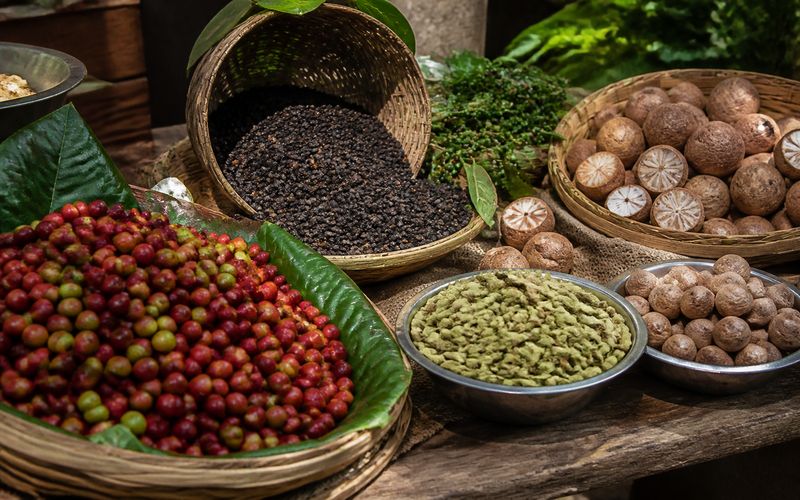
The increasing preference for Indian coffee in the international market has caused the price to rise. The Robusta variety is in higher demand. The decrease in production in Brazil and Vietnam has also led to an increase in demand for Indian coffee. The shortage of coffee in the international market is also a reason for the price increase.
☕ The Coffee Board estimates that the country’s coffee production will increase to 3.74 lakh tons in the 2023-24 financial year.
The North Indian market’s main reliance is on areca nuts from the Malabar region. The areca nuts from the Malabar region are of higher quality. Major pan masala and gutka companies procure areca nuts from the Malabar region.
The reduced demand for areca nuts from Karnataka also led to an increase in the price of areca nuts from the Malabar region. The end of the harvest season and increased demand have also caused the price to rise.
New areca nuts
330 rupees per kilo
Old areca nuts
680 rupees per kilo
Tonnes of areca nuts are sent daily from the Malabar region to the North Indian market.
The main attraction of North Indian curry masala mixes is nutmeg. In curry masala mixes, nutmeg and mace prices are important. Both of these cannot be avoided in curry masala mixes like ‘Banarasi’.
Both dried and green varieties are reaching the North Indian market. The price for dried is 280-320 rupees per kilo, green is 130 rupees, and mace is 680 rupees. Farmers and traders say that the prices of nutmeg and mace are likely to increase in the coming days.
Why are cocoa prices rising in South India?
Cocoa prices are rising because production has decreased in major cocoa-producing countries like Ivory Coast and Ghana due to climate change. Demand from the chocolate industry has also increased. In India, dried cocoa beans have risen from 140 rupees to 400 rupees per kilogram, the biggest price hike in four decades.
Which South Indian states are important for cocoa cultivation?
Southern Indian states have a prominent position in the country’s cocoa production. Cocoa is mainly cultivated in Kerala, Karnataka, Tamil Nadu, and Andhra Pradesh. Major chocolate companies procure cocoa directly from farmers, and about 80 percent of cocoa produced in the country is used for making chocolate.
Will pepper prices rise further in India?
Pepper prices may rise because of supply disruptions from major producing countries such as Vietnam and Brazil and increased demand for Indian pepper. The easing of import restrictions on pepper in China has also improved demand. Traders say prices are unlikely to fall in the coming days as the production season has started.
How has climate change affected cardamom farmers?
The rise in daytime temperatures since January has adversely affected cardamom plants. Although summer rains arrived later, the subsequent increase in heat may severely affect plants and production. Lower production due to climate change has caused prices to rise, bringing some relief in domestic and export markets.
Why is Indian coffee getting better prices?
Indian coffee is gaining preference in the international market, especially the Robusta variety. Lower production in Brazil and Vietnam and a shortage of coffee in the global market have increased demand for Indian coffee. In Kerala, production has improved, while Wayanad harvest is in its final phase.
What is driving areca nut prices in the Malabar region?
The North Indian market relies heavily on areca nuts from the Malabar region because of their higher quality. Major pan masala and gutka companies procure from Malabar. Reduced demand for Karnataka areca nuts, the end of the harvest season, and increased demand have pushed Malabar areca nut prices higher.