Home » Sweet Potato – The Humble Tuber That Fights Hidden Vitamin Deficiency

Sweet Potato – The Humble Tuber That Fights Hidden Vitamin Deficiency

by Sama Sadhik
5 minutes read

The absence of micronutrients like iron, zinc, vitamin A, and vitamin B9 (folate) in our food may not be apparent. It can also happen secretly. This is called hidden hunger or micronutrient deficiency. It is one of the serious global threats that affects one-third of the world’s population. It causes birth defects, cancer, cardiovascular diseases, osteoporosis, neurological disorders, and so on.

Many deficiencies, including Vitamin A Deficiency (VAD), affect us. It is common. To solve this, research has been initiated to create ‘golden’ crops enriched with pro-vitamin A — and sweet potato stands out as one of the most promising natural solutions.
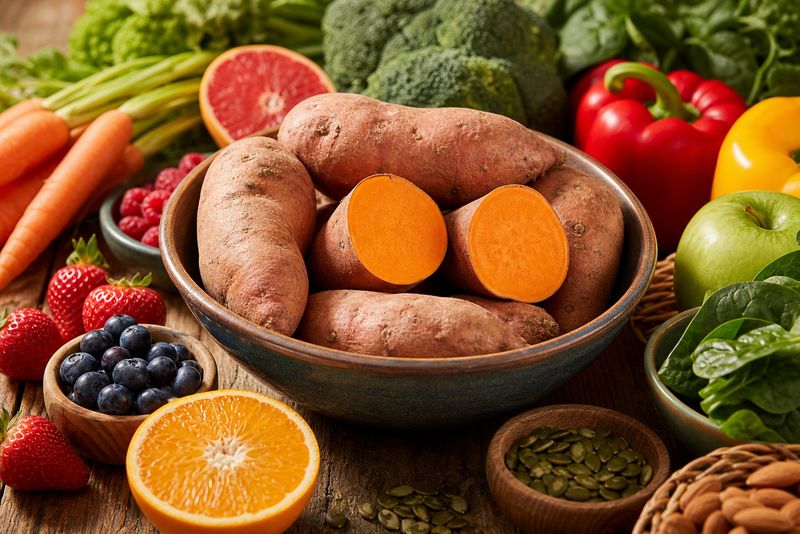
Sweet potato as a solution to hidden hunger and micronutrient deficiency

🌍 What Is Hidden Hunger?

⚠️ Hidden hunger is a form of malnutrition that occurs when a person’s diet lacks the essential micronutrients needed for healthy growth and development — even if they consume enough calories.

Key missing nutrients include:

  • 🔴 Iron
  • 🔵 Zinc
  • 🟡 Vitamin A
  • 🟢 Vitamin B9 (Folate)

🚨 Hidden hunger is classified as a serious global threat and impacts health in several critical ways:

  • ⚡ Birth defects
  • ⚡ Cancer
  • ⚡ Cardiovascular diseases
  • ⚡ Osteoporosis
  • ⚡ Neurological disorders

📊 Hidden hunger currently affects 1 in 3 people globally — making micronutrient deficiency one of the most widespread and underrecognized health crises of our time.
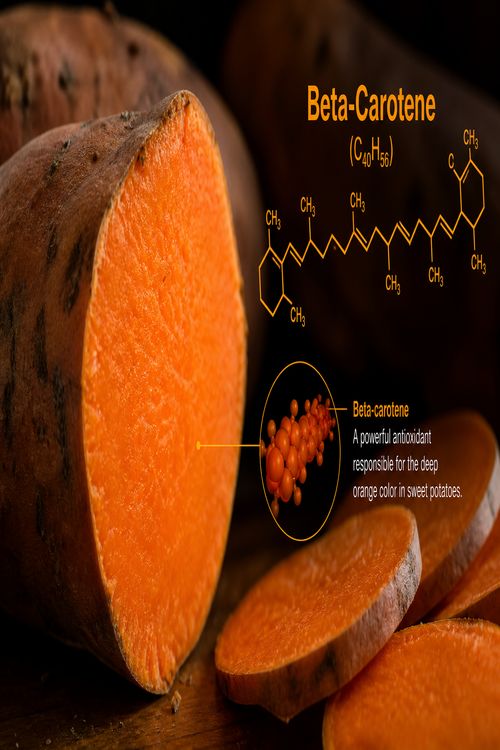

🟠 Carotenoids: Nature’s Pro-Vitamin A Powerhouse

Carotenoids in sweet potato responsible for orange color and vitamin A production

Carotenoids like alpha, beta, gamma-carotenes, and beta-cryptoxanthin are responsible for producing yellow, orange, and red colors in plants. In the human body, these are converted into vitamin A retinol — the primary form of vitamin A.

This discovery has driven global research to create ‘golden’ crops naturally enriched with pro-vitamin A as a dietary intervention strategy against vitamin A deficiency (VAD).

Additionally, the carotenoids lutein and zeaxanthin found in leaves are crucial for eye health.

Vitamin A is essential for a wide range of vital functions in the human body:

🧬
Gene Transcription
🛡️
Immune Function
🤰
Embryonic Development & Reproduction
⚙️
Metabolism
🩸
Blood Cell Production (Hematopoiesis)
Skin Health
🔬
Antioxidant Activity
👁️
Eye Health (Lutein & Zeaxanthin)

🍠 Sweet Potato: A Crop That Can Change Global Nutrition

Sweet potato is a food crop that can contribute significantly to reducing the Global Hunger Index. Due to its starch and the high amount of fiber contained in the tuber, it has the ability to improve blood sugar control.

As a naturally carotenoid-rich crop, sweet potato bridges the gap between agricultural output and nutritional intervention — making it one of the most important crops in the fight against hidden hunger.
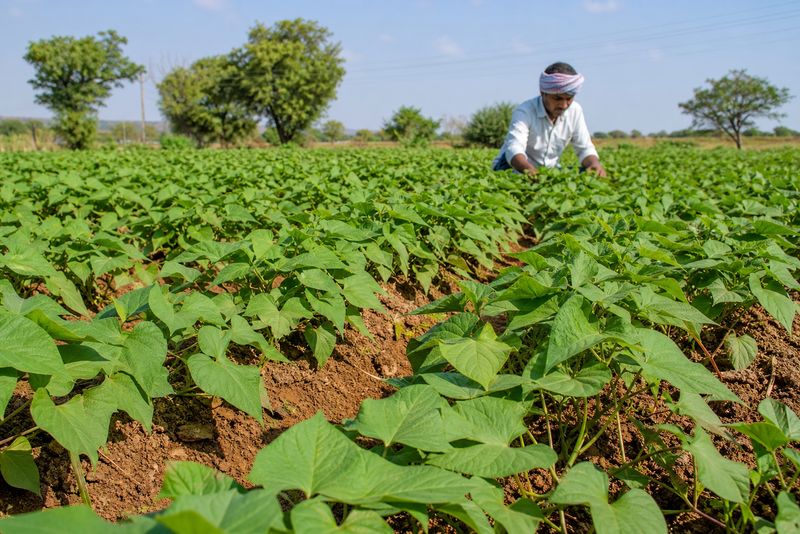
Sweet potato farming field showing nutritious tubers rich in carotenoids and fiber

🟠 Rich in carotenoids — naturally converts to vitamin A in the body, directly combating VAD.

🌾 High in starch and dietary fiber — supports improved blood sugar control and digestive health.

📉 Addresses Global Hunger Index — a sustainable, affordable crop that can be grown in diverse conditions.

Golden crop candidate — targeted in pro-vitamin A biofortification research to tackle hidden hunger at scale.



❓ FAQ

🌿 What is hidden hunger and why is it dangerous?

Hidden hunger, or micronutrient deficiency, occurs when the body lacks essential vitamins and minerals like iron, zinc, vitamin A, and folate, even if calorie intake seems sufficient. It affects one-third of the global population and can lead to serious conditions such as birth defects, cancer, cardiovascular disease, osteoporosis, and neurological disorders — often without obvious symptoms.

🍠 How does sweet potato help fight vitamin A deficiency?

Sweet potato, especially the orange-fleshed variety, is naturally rich in beta-carotene and other carotenoids, which the human body converts into vitamin A (retinol). Regular consumption can help address Vitamin A Deficiency (VAD), particularly in populations with limited access to diverse diets. It is considered one of the most accessible and affordable natural sources of pro-vitamin A.

🟠 What are carotenoids and what role do they play in human health?

Carotenoids are natural pigments found in plants that produce yellow, orange, and red colors. Types such as alpha, beta, gamma-carotenes, and beta-cryptoxanthin are converted into vitamin A in the body. Additionally, lutein and zeaxanthin — carotenoids found in leaves — are vital for maintaining eye health and reducing the risk of age-related vision problems.

📊 How does sweet potato contribute to reducing the Global Hunger Index?

Sweet potato is a nutrient-dense, high-yield crop that can be grown in varied climatic conditions, making it accessible to vulnerable populations worldwide. Its rich fiber and starch content helps improve blood sugar control, and its natural pro-vitamin A content addresses micronutrient deficiency — both key factors in reducing scores on the Global Hunger Index.

🧬 What are ‘golden crops’ and how is sweet potato related?

‘Golden crops’ are biofortified food crops engineered or selected to contain higher levels of pro-vitamin A and other essential micronutrients. Sweet potato is naturally one such crop due to its high carotenoid content. Research initiatives around the world focus on developing and distributing these crops to combat widespread Vitamin A Deficiency (VAD) and micronutrient malnutrition globally.

🩺 Can eating sweet potato improve blood sugar levels?

Yes. Sweet potato contains both starch and a high amount of dietary fiber, which together help regulate blood sugar by slowing glucose absorption in the bloodstream. This makes sweet potato a beneficial food option for people managing blood sugar levels, including those at risk of or living with type 2 diabetes, when consumed as part of a balanced diet.

👁️ Which nutrients in sweet potato support eye health?

The carotenoids lutein and zeaxanthin, particularly found in sweet potato leaves, are essential for eye health. These compounds accumulate in the retina and help protect against oxidative damage and age-related macular degeneration. Additionally, beta-carotene in sweet potato converts to vitamin A, which is critical for maintaining good vision and preventing night blindness.

You may also like