Home » Seed Certification for Private Institutions: What the New Bill Really Means for Farmers

Seed Certification for Private Institutions: What the New Bill Really Means for Farmers

by Sama Sadhik
5 minutes read

A significant shift is underway in India’s seed regulation landscape. The bill currently under discussion proposes extending seed certification authority beyond government bodies — opening the door for private institutions to play an official role in verifying seed quality standards across the country.

While this move is being welcomed in many quarters for increasing capacity and efficiency in the certification process, it has also triggered an important debate around conflict of interest in the seed supply chain — raising questions that directly affect the integrity of what farmers sow in their fields.
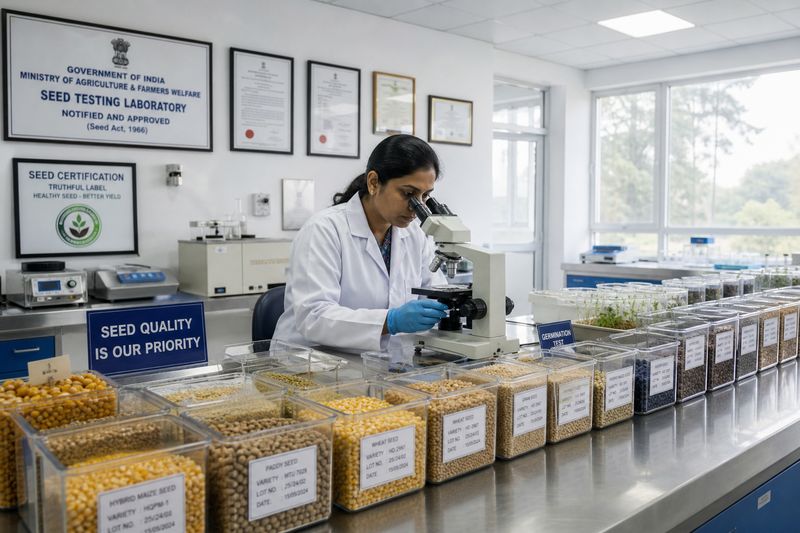
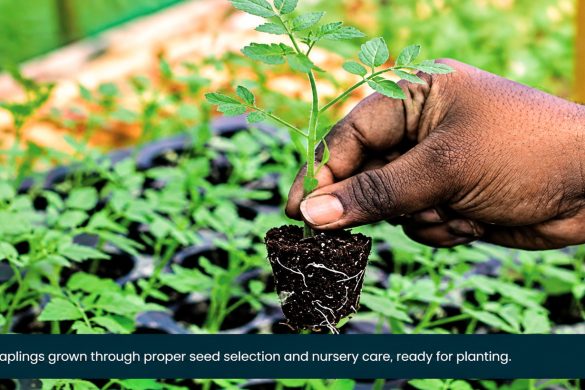
Seed certification process at a private institution in India with quality testing of agricultural seeds

📋 What the Bill Proposes

According to the bill, the Central Seed Committee — or the State Government, depending on the circumstances and with the prior approval of the Central Seed Committee — can grant accreditation certifying that institutions are complying with the prescribed standards.

These institutions may be owned or controlled by:

  • The Central Government
  • State Governments
  • Any other organizations — which opens the provision to private institutions as well

In effect, this means private institutions can also be given seed certification authority, marking a notable expansion from the traditionally government-controlled certification system.


⚠️ The Conflict of Interest Concern

Allowing private bodies to certify seeds raises a fundamental question: Can a certifying institution remain truly impartial if it has financial ties to the very companies producing the seeds it is certifying?

To address this concern, a demand is being raised to include a specific condition in the bill — that private institutions accredited for seed certification must not be affiliated with or financially linked to seed-producing companies.

This proposed safeguard aims to prevent a situation where the certifier and the producer are connected through ownership, investment, or financial interest — a scenario that could compromise the objectivity of the certification process and ultimately undermine farmer trust in certified seeds.

Illustration of conflict of interest in the seed supply chain showing separation between certification bodies and seed producers

🔑 Key Highlights at a Glance

🏛️

Central Seed Committee

Grants accreditation or provides prior approval for state-level grants

🏢

Private Institutions Eligible

Not just government bodies — private organizations can now receive certification authority

🚫

No Financial Links to Producers

Demand raised that certifiers must not be affiliated with or financially tied to seed companies

🌾

Farmer Trust at Stake

Impartial certification is essential to protect farmers from substandard or misrepresented seeds


⚠️ Important to Note

The seed supply chain includes seed production, distribution, and certification. If all three functions are controlled or influenced by the same commercial entity, it creates a systemic risk to seed quality assurance and fair trade in agriculture. The proposed conflict of interest safeguard is seen as a critical check to maintain the credibility of the entire system.



❓ FAQ

What is seed certification and why does it matter for farmers?

Seed certification is an official quality assurance process that verifies seeds meet prescribed genetic purity and physical quality standards. For farmers, certified seeds provide assurance of consistent germination, disease resistance, and yield performance — directly impacting crop productivity and livelihoods. Without reliable certification, farmers risk sowing substandard seeds that can result in crop failure and financial loss.

Can private institutions now certify seeds in India?

Yes, under the proposed bill, private institutions can receive accreditation for seed certification. The Central Seed Committee — or the State Government with prior Central Seed Committee approval — may grant accreditation to any institution, including those not owned by government bodies, provided they comply with prescribed quality standards.

What is the conflict of interest concern in seed certification?

The conflict of interest concern arises when a private institution accredited for seed certification has financial or ownership ties to seed-producing companies. In such cases, the certifying body may not remain impartial, potentially approving substandard seeds. To prevent this, demands are being raised to bar accredited certifiers from being affiliated with or financially linked to any seed producers.

What role does the Central Seed Committee play in accreditation?

The Central Seed Committee is the apex regulatory body that either directly grants accreditation to certifying institutions or provides prior approval when a State Government wishes to grant such accreditation. This two-tier oversight structure ensures that certification standards remain uniform and nationally regulated, regardless of which body carries out the actual certification work.

Why is it important that certifiers are not linked to seed companies?

Keeping certifying institutions independent from seed companies ensures objectivity in the certification process. If a certifier holds a financial stake in a seed producer, it creates a direct incentive to approve seeds even if they do not fully meet quality standards. This independence is essential to maintaining farmer trust and the overall integrity of the agricultural input supply chain.

How does private seed certification affect the seed supply chain?

Introducing private institutions into seed certification can increase the capacity and speed of the certification process, potentially reducing bottlenecks. However, without strict safeguards — particularly around financial independence — it risks creating a supply chain where production and certification are controlled by the same interests, undermining fair competition and seed quality assurance for farmers.

What standards must accredited seed certification institutions follow?

Any institution granted accreditation for seed certification — whether government-owned, state-controlled, or private — must comply with the prescribed standards as outlined under the relevant seed legislation. These standards typically cover testing procedures, laboratory infrastructure, personnel qualifications, and documentation practices to ensure consistent and verifiable seed quality assessment.

You may also like