1K
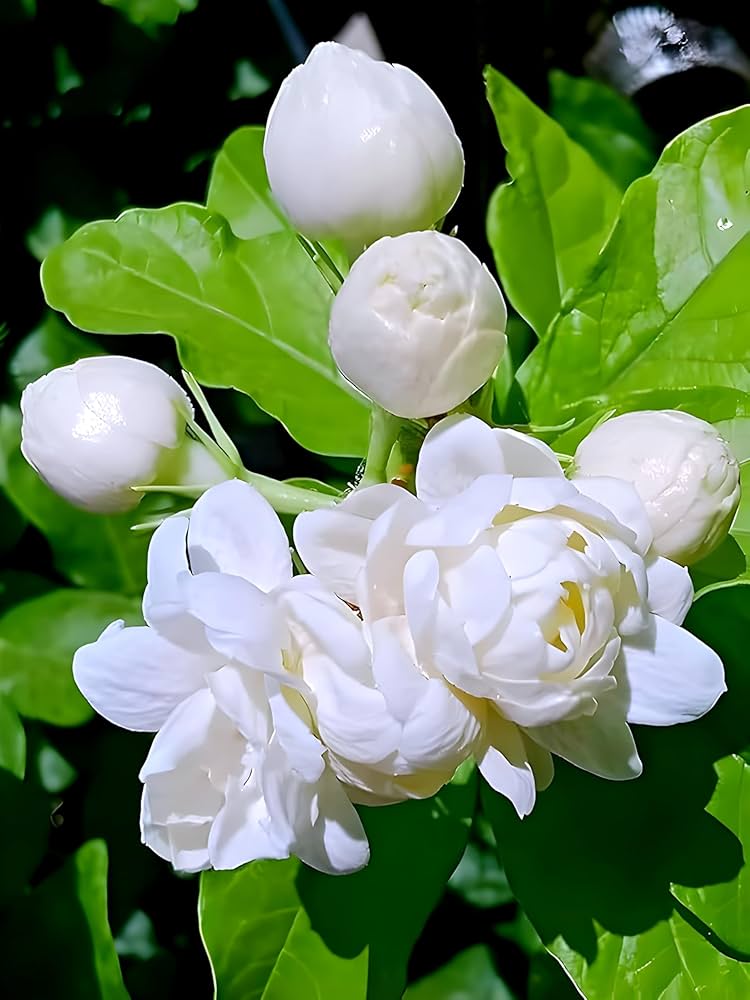

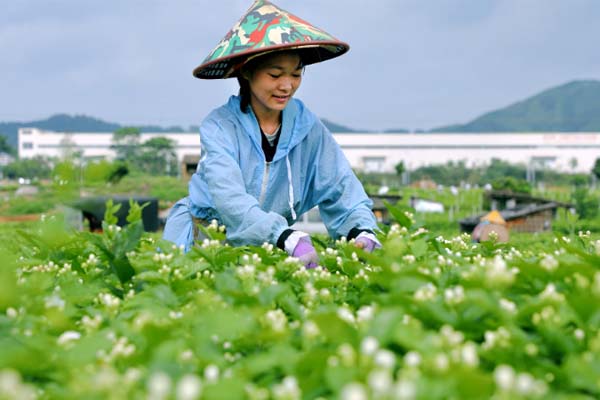
Importance of Jasmine Cultivation
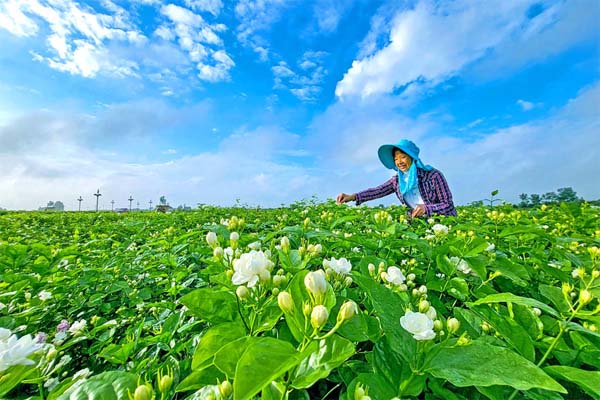
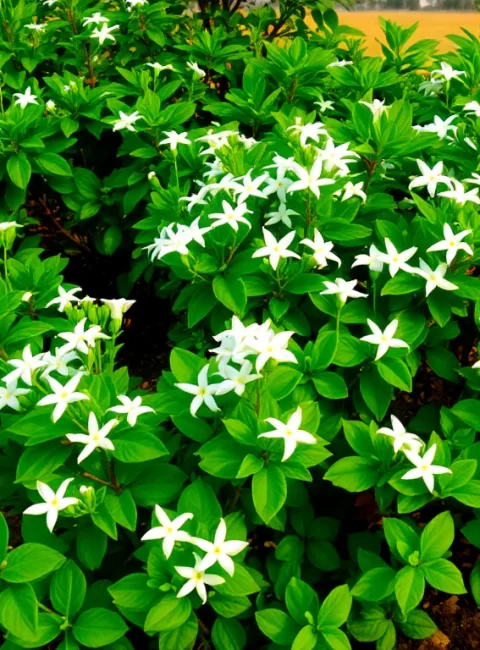
Jasmine is one of the most important ornamental plants in the backyard of a Keralite. It is at the forefront not only for ornamental purposes but also in commercial cultivation. Tamil Nadu and Karnataka have the highest number of jasmine cultivars in India.
The main varieties of jasmine are:
- Kuttimulla (Gundumalli)
- Pichakam (Pichi Mulla or Pichi)
- Coimbatore Mulla
Of these, Kuttimulla and Pichi are widely cultivated in Kerala.
How to Cultivate Jasmine
Site and Soil Requirements
- Jasmine should be grown in open ground with plenty of sunlight.
- Jasmine cultivation is best done on well-drained and fertile sandy loam soils.
- The soil pH can be maintained at 5–8.
Planting Season and Spacing
- Seedlings are best planted during June–August in areas where irrigation facilities are scarce.
- Seedlings can be planted in any month in places where watering is convenient.
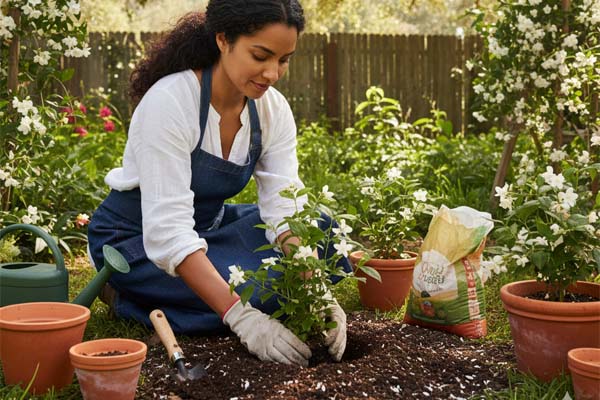
- Seedlings should be planted in well-drained pits of 1.5 ft (length) × 1.5 ft (width) × 1.5 ft (depth).
- Maintain a distance of 1.5 m between plants and rows.
- One cent can have 25 to 30 pits.
Soil Preparation and Manuring
- Two weeks before planting, lime should be added at the rate of 50 g per pit.
- Three-quarters of the pit should be filled with basal manure.
- Each pit requires 15 kg of manure.
- Add 100 g of neem cake to the base once a month.
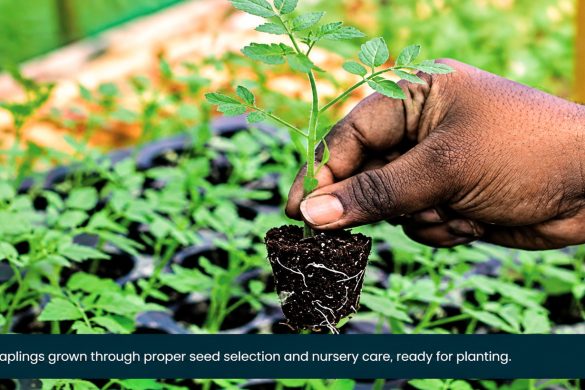
Preparation of Jasmine Seedlings
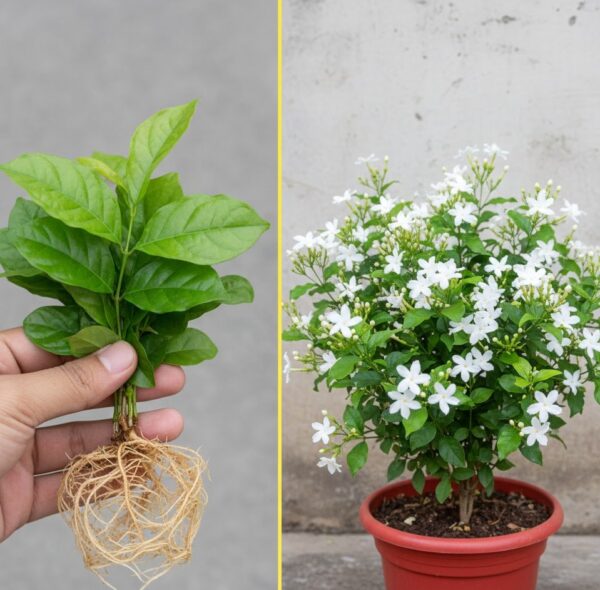
- Seedlings can be prepared by cutting the stems and rooting them.
- Stems should be collected from well-flowering and pest-free plants that are at least three years old.
- Pencil-sized stems about two feet long should be cut from the center of a branch.
- Planting the stems after dipping in Indole butyric acid (5000 ppm) helps in faster rooting.
- Seedlings prepared in this way can be planted in sand and will be ready for planting in one and a half months.
Fertilizer Application
Add the following nutrients to the soil:
- 120 g Nitrogen
- 240 g Phosphorus
- 240 g Potassium
For this, the following can be used:
- 600 g Factamfos
- 600 g Superphosphate
- 385 g Potash
Fertilizers can be applied twice a year, in July and January.
Harvesting and Yield
- Harvesting can start from the second year.
- Plants have a lifespan of 10 to 12 years.
- Up to two and a half tons of flowers can be collected from one acre.
Pests and Diseases in Jasmine
Common Pests
- The main pests are:
- Bud worms
- Leaf netting worms
- Beveria basiana can be sprayed at the rate of:
- 20 gm per liter of water or
- 5 ml per liter of water
- Adding neem cake at the base of plants is beneficial.
Common Diseases and Control Measures
The main diseases are:
- Leaf rot
- Rust
- Bacterial blight
- Spraying 0.15% copper oxychloride can help control rust.
- Bacterial blight causes the roots to turn black and die.
- Pouring 1% strong Bordeaux mixture at the base helps control bacterial blight.
Care should be taken to avoid water logging at the base of the plants.