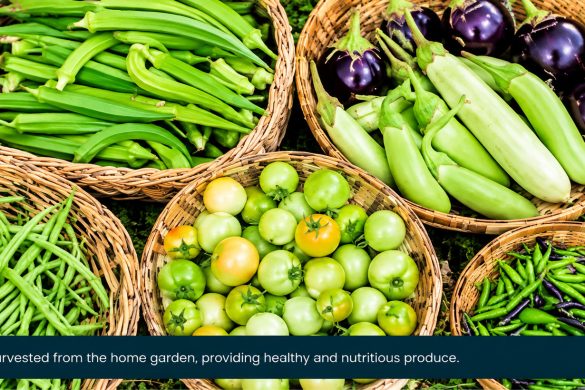
What Is Bioslurry?
Biogas produced from cattle, pig, buffalo dung and kitchen waste has a by-product called bioslurry, which can be used as excellent organic manure. Bioslurry is used to improve soil fertility, soil structure, and crop productivity. However, not many farmers are familiar with the advantages of bioslurry.
Bioslurry is an easily available form of compost compared to traditional compost. It is also attractive to mix with waste compost.
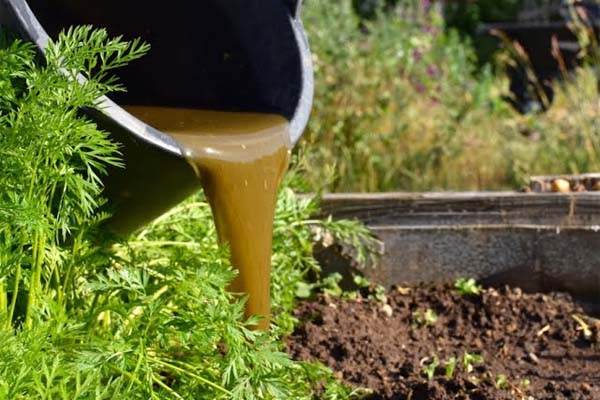
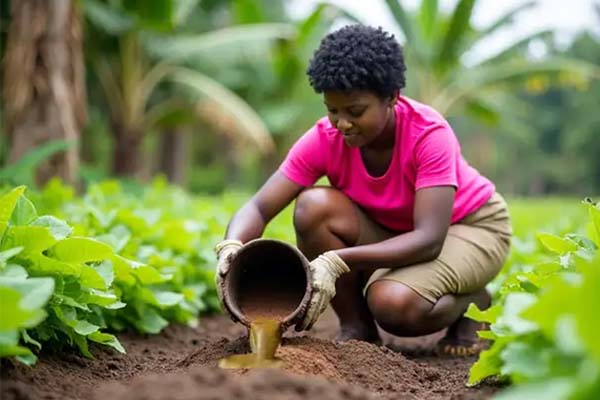
Methods of Applying Bioslurry
Bioslurry can be applied in the following ways:
- As a foliar fertilizer, being sprayed onto the crops
- In liquid form (diluted) onto the roots
- In dry and composted form, combined with irrigation techniques so that crops have sufficient water
Cow Dung or Bioslurry?
Bioslurry can effectively replace cow dung as a fertilizer in crop cultivation. Both dung manure and biogas slurry are commonly used organic manures, but they differ in their properties and benefits.
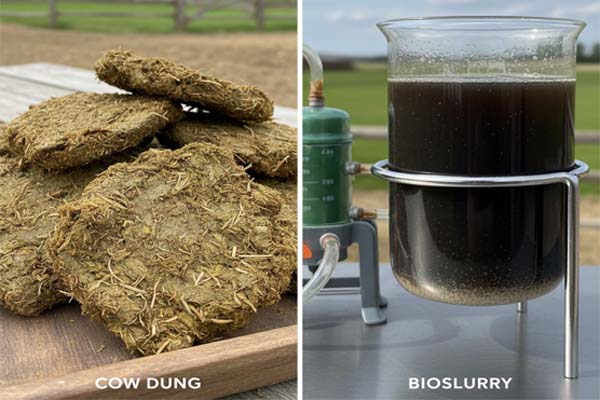
Cow Dung or Bioslurry?
Bioslurry can effectively replace cow dung as a fertilizer in crop cultivation. Both dung manure and biogas slurry are commonly used organic manures, but they differ in their properties and benefits.
1. Decomposition Status
Cow Dung Manure: Not fully decomposed.
Biogas Slurry: Fully decomposed during biogas production.
2. Nutrient Release
Cow Dung Manure: Slow and gradual.
Biogas Slurry: Fast and readily available.
3. Micronutrient Availability
Cow Dung Manure: Takes time for plant absorption.
Biogas Slurry: Easily absorbed by plants.
4. Effect on Crops
Cow Dung Manure: Supports long-term growth.
Biogas Slurry: Boosts quick crop response.
5. Impact on Soil
Cow Dung Manure: Improves soil health over time.
Biogas Slurry: Provides immediate nutrition.
6. Best Use
Cow Dung Manure: Long-term soil fertility.
Biogas Slurry: Short-term nutrient requirement.
| Aspect | Cow Dung Manure | Biogas Slurry (Bioslurry) |
|---|---|---|
| Decomposition Status | Not fully decomposed | Fully decomposed during biogas production |
| Nutrient Release | Slow and gradual | Fast and readily available |
| Micronutrient Availability | Takes time for plant absorption | Easily absorbed by plants |
| Effect on Crops | Supports long-term growth | Boosts quick crop response |
| Impact on Soil | Improves soil health over time | Provides immediate nutrition |
| Best Use | Long-term soil fertility | Short-term nutrient requirement |
Nutrient Comparison
| Nutrients | Dung Manure | Bioslurry |
|---|---|---|
| Nitrogen | 1.5% | 1.6% to 1.8% |
| Phosphorus | 0.3% | 1.1% to 2% |
| Potassium | 0.2% | 0.8% to 1.2% |
Things to Take Care Of While Using Bioslurry
When using bioslurry, it should be applied along with solid organic fertilizers like manure or compost to ensure balanced nutrition and improved soil health for better yields. If bioslurry is used alone, it must be applied continuously, as stopping its application may cause plants to become weak or unhealthy.
Uses of Bioslurry in Agriculture
Bioslurry can be used:
- As a manure for crops
- As a plague repellent
- To increase soil fertility
- To improve soil structure and water retaining capacity
- To prevent soil erosion
- For concentrated feed for cattle, pig, and fish
- For the production of earthworms and algae
- As manure for pot-grown flowers and vegetables
- To increase the availability of nutrients in soil
- To reduce wastewater and water pollution
- To reduce weed growth and reduce attractiveness to insects or flies
- To reduce the number of pathogens, as it is almost pathogen-free
- To treat seeds for:
- Higher germination
- Disease resistance
- Better yields
- Improved coloration of fruits and vegetables
- Tenderness and taste of leafy vegetables