171
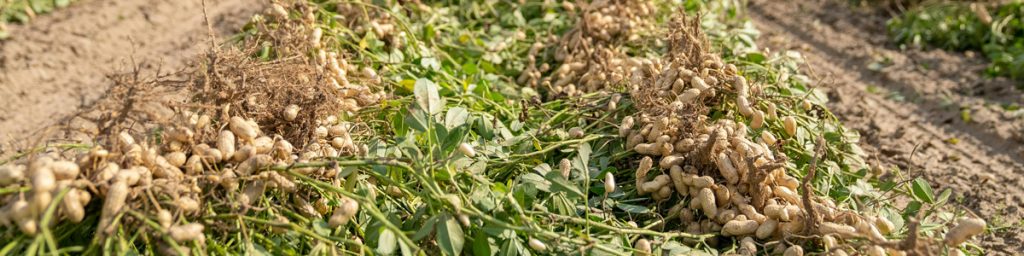

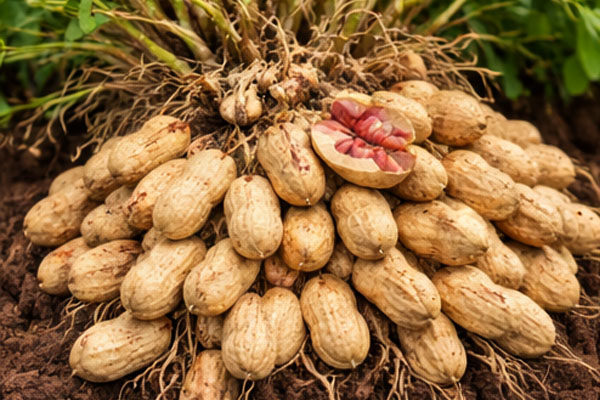
Groundnut is the second most protein rich food after soybean. It contains 50% oil and more protein than meat and eggs. It also contains nutrients such as fat, phosphorus, iron, vitamin E, magnesium, zinc, potassium and copper.
Things to Know Before Groundnut Farming
- Groundnut is an ideal crop to include in multi-crop farming.
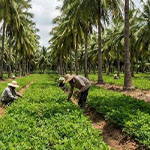
- It can be grown as an intercrop in tapioca and coconut groves.
- It can be grown as a third crop in paddy fields.
- Groundnut can be raised in sandy loam as well as well-drained sandy clay loam soil.
Suitable Varieties for Farming
TMV2, TMV7, TG3, TG14, Spanish Improved, Sneha Snigdha
Suitable Intercorp Varieties
TG3, TMV2 and TMV7
| Variety | Days | Kernel/Pod Characteristics | Yield | Special Features |
| TMV 2 | 105–115 | Small, round pods; Light rose-colored kernels. | 1200–1600 kg/ha | Drought tolerant. Very popular old variety suitable for rainfed conditions. |
| TMV 7 | 100–105 | Medium pods; Light rose kernels. | 1400–1900 kg/ha | High oil content (49.6%). High shelling percentage (74%). Responsive to fertilizers. |
| TG 3 (Vikram) | 100–110 | Medium-bold seeds; Fleshy colored kernels. | ~2880 kg/ha | Developed by BARC. Non-spreading. Excellent for intercropping in coconut/tapioca. |
| TG 14 | 105–115 | Medium sized; Rose-colored kernels. | ~3100 kg/ha | Seeds sit close to the soil surface. High yield potential. |
| Spanish Improved | 100–110 | Medium sized; Fleshy color kernels. | ~2800 kg/ha | A standard non-spreading variety. Often used as a benchmark for bunch types. |
| Sneha | Early | Medium-sized pods. | ~2400 kg/ha | Released by KAU (Vellayani). Recommended for dry lands (e.g., Trivandrum). |
| Snigdha | Early | Medium-sized pods; High yield. | ~2450 kg/ha | Released by KAU (Vellayani). Developed for uplands; similar to Sneha but often higher yielding. |
Groundnut Variety Guide
1. TMV 2
Duration: 105–115 Days
- Yield: 1200–1600 kg/ha
- Key Features: Drought tolerant. Very popular old variety suitable for rainfed conditions.
- Pod/Kernel: Small, round pods; Light rose-colored kernels.
2. TMV 7
Duration: 100–105 Days
- Yield: 1400–1900 kg/ha
- Key Features: High oil content (49.6%) and shelling percentage (74%). Responsive to fertilizers.
- Pod/Kernel: Medium pods; Light rose kernels.
3. TG 3 (Vikram)
Duration: 100–110 Days
- Yield: ~2880 kg/ha
- Key Features: Developed by BARC. Non-spreading. Excellent for intercropping in coconut/tapioca.
- Pod/Kernel: Medium-bold seeds; Fleshy colored kernels.
4. TG 14
Duration: 105–115 Days
- Yield: ~3100 kg/ha
- Key Features: Seeds sit close to the soil surface. High yield potential.
- Pod/Kernel: Medium sized; Rose-colored kernels.
5. Spanish Improved
Duration: 100–110 Days
- Yield: ~2800 kg/ha
- Key Features: Standard non-spreading variety. Often used as a benchmark for bunch types.
- Pod/Kernel: Medium sized; Fleshy color kernels.
6. Sneha
Duration: Early
- Yield: ~2400 kg/ha
- Key Features: Released by KAU (Vellayani). Recommended for dry lands (e.g., Trivandrum).
- Pod/Kernel: Medium-sized pods.
7. Snigdha
Duration: Early
- Yield: ~2450 kg/ha
- Key Features: Released by KAU (Vellayani). Developed for uplands; similar to Sneha but often higher yielding.
- Pod/Kernel: Medium-sized pods.
Irrigated cropping season
January to May
Rainfed cropping season
May–June to September–October
How to Grow Groundnut
Seed Requirement and Selection
- 400 grams of seeds are required to cultivate in one cent.
- Discard very small, shrivelled and diseased kernels.
- Large and dark brown kernels can be sown.
- If soaked in water overnight, the seeds will germinate quickly.
Land Preparation and Soil Management
- Acidity of the field should be regulated by adding lime at the rate of one to three kilograms per cent, two weeks before sowing the seeds.
- The soil can be ploughed well and the seeds can be sown.
- Keep a distance of 15 cm between the rows and between the holes.
Manure and Fertilizer Application
- Apply 8 kg of composted manure or compost as base manure for one set.
- Apply the following as base fertilizer per cent:
- 87 g urea
- 1665 g rock phosphate
- 501 g potash
Crop Care and Management
- Turmeric powder or salt can be used to control ants.
- 40 days after planting (at the time of flowering), a small amount of lime can be added to the bottom after slightly loosening the topsoil.
- Do not plough or shake the base after 45 days.
Harvesting Groundnut
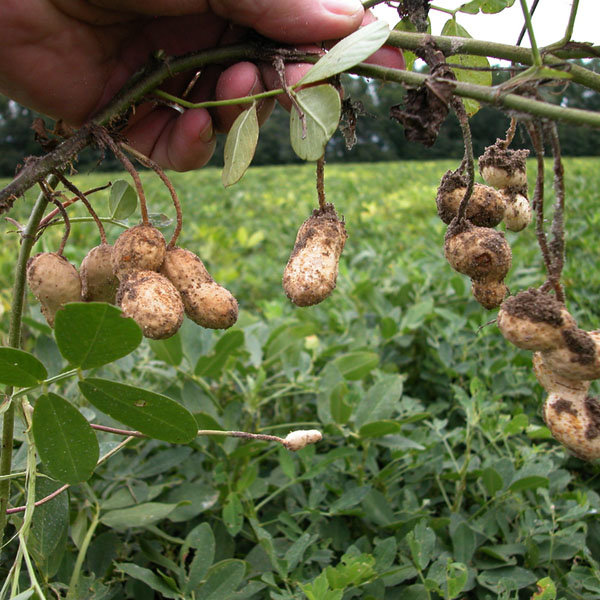
- Peanuts can be harvested when the leaves turn yellow and begin to dry out.
- The kernel of seed inside the husk turning brown signals the time for harvesting.
- Plants can be uprooted and groundnuts can be collected, dried and stored.
How to Prevent Diseases and Pests in Groundnut
- Infestation of termite results in wilting of plant.
- To prevent termite infestation, 20 g of Metarhizium mixed with one liter of water can be poured at the bottom.
- Use well decomposed cow dung and do not delay harvesting of crop to prevent pest infections.
- Neem cake can be applied with basal manure or neem-based insecticides can be used to control pests.
- Pseudomonas can be sprayed with 20 gm per liter of water once in two weeks to control leaf spot.
- It is also advisable to treat the seeds with Pseudomonas before sowing.
- If leaf spot disease is severe, Bordeaux mixture can be sprayed.