Nutrition Garden
R. Veenarani
Subject Matter Specialist (Agriculture), Krishi Vigyan Kendra, Thrissur
e-mail: karsha@mm.co.in, veena4raghavan@gmail.com
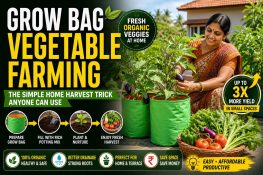
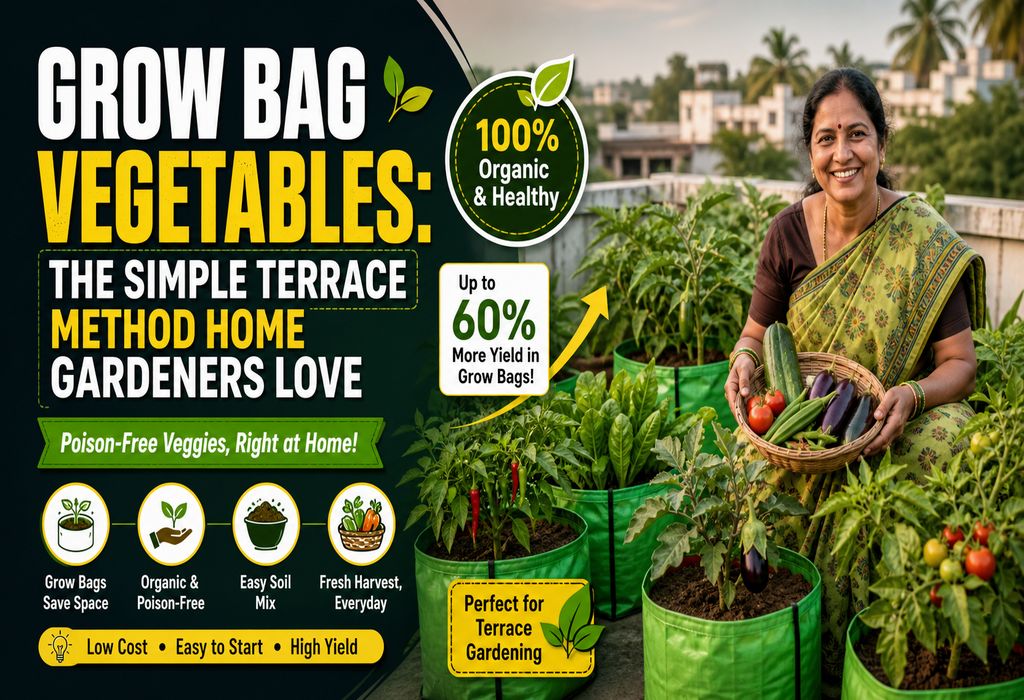
We all wish to grow poison-free vegetables for our homes. Even those living in apartments in cities and those who don’t have even a little bit of soil in their yards can take up farming.
For those who want to farm using the grow bag method, even a lack of space will not be a problem.
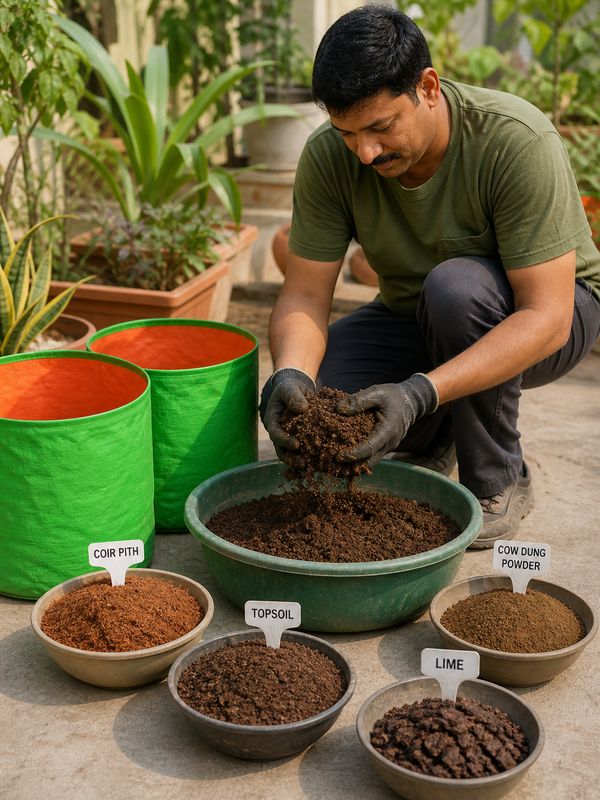
When space constraint becomes a major issue, grow bags are widely used for planting vegetables. They can be used to cultivate crops conveniently anywhere.
The potting mix can be prepared by mixing topsoil, coir pith, and compost in a 1:1:1 ratio. The loose structure of the potting mix will make it easier for the plants’ roots to grow. The soil’s acidity can also be effectively neutralized.
Along with this, something like lime or dolomite should be added.
Dried and powdered cow dung, chicken manure, goat manure dry leaves, dry leaf compost, continuously prepared compost, and vermicompost can be used as organic fertilizers.
Dried and powdered cow dung can be used as an organic fertilizer.
Chicken manure can support vegetable crops in grow bags.
Goat manure dry leaves, dry leaf compost, and continuously prepared compost are useful options.
Vermicompost can be used as a nutrient-rich organic fertilizer.
Adding 50 grams of neem cake can, to a large extent, prevent root diseases. It can also repel termites.
When filling the grow bag with the potting mix, fill it only halfway. As the plant grows, organic fertilizers can be given as top dressing. Fertilizers can be applied twice a month. Different plants need to be given different fertilizers.
Vegetable varieties suitable for each mix should be selected. The following vegetables can be planted in grow bags:
- ✅ Okra
- ✅ Brinjal
- ✅ Tomato
- ✅ Chili
- ✅ Beans
- ✅ Bitter gourd
- ✅ Bottle gourd
- ✅ Pumpkin
- ✅ Green chili
- ✅ Snake gourd
Water should not be allowed to stagnate in the bag. To drain excess water, small holes should be made at the bottom and sides of the bag.
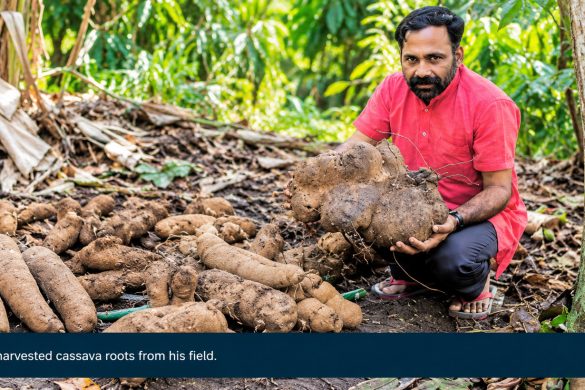
This is also a suitable time for cultivating turmeric, ginger, arrowroot, taro, elephant foot yam, yam, and Chinese potato.
Ash available at home, vegetable waste, eggshells, and water used to wash meat can all be given as fertilizer.
Every two weeks, at 10-day intervals, don’t forget to give either fermented rice water or to alternate different types of fertilizers instead of giving just one.
For example, cattle manure, fish manure, chicken droppings, vermicompost, fermented oil cakes, and microbial fertilizers are all beneficial for grow bag farming.
What is the best potting mix ratio for grow bag vegetable farming?
The recommended potting mix can be prepared by mixing topsoil, coir pith, and compost in a 1:1:1 ratio. This loose structure helps vegetable roots grow more easily in grow bags. Lime or dolomite may also be added to help neutralize soil acidity.
Can vegetables be grown in grow bags without having land?
Yes. Grow bags are especially useful when space is limited. Even people living in city apartments, or those without soil in their yards, can take up vegetable farming. Grow bags can be placed conveniently in small available spaces where sunlight and drainage are manageable.
Which vegetables are suitable for growing in grow bags?
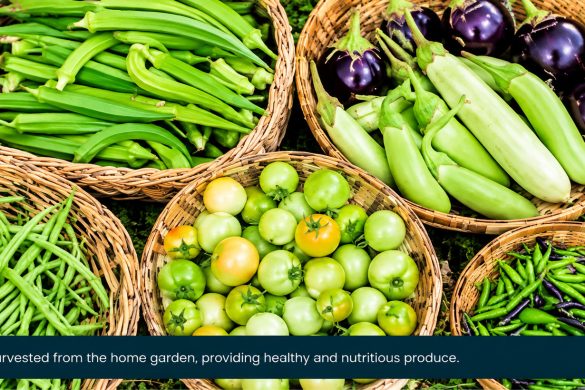
Okra, brinjal, tomato, chili, beans, bitter gourd, bottle gourd, pumpkin, green chili, and snake gourd can be planted in grow bags. The suitable vegetable variety should be selected according to the potting mix, available space, sunlight, and the crop’s growth habit.
How often should fertilizers be applied in grow bag farming?
Organic fertilizers can be given as top dressing as the plant grows. Fertilizers can be applied twice a month, and different plants need different fertilizers. Alternating fertilizers instead of giving only one type helps maintain balanced nutrition in grow bag vegetable farming.
Why should holes be made in grow bags?
Water should not be allowed to stagnate in grow bags. Small holes should be made at the bottom and sides of the bag to drain excess water. Good drainage protects plant roots and helps reduce problems that can occur when the growing medium remains too wet.
Does neem cake help in grow bag vegetable cultivation?
Adding 50 grams of neem cake can, to a large extent, prevent root diseases in grow bag cultivation. It can also repel termites. Neem cake is commonly used along with organic fertilizers as a supportive input for healthier vegetable plants.