By K. B. Udayabhanu
E-mail: ajournalist5@gmail.com
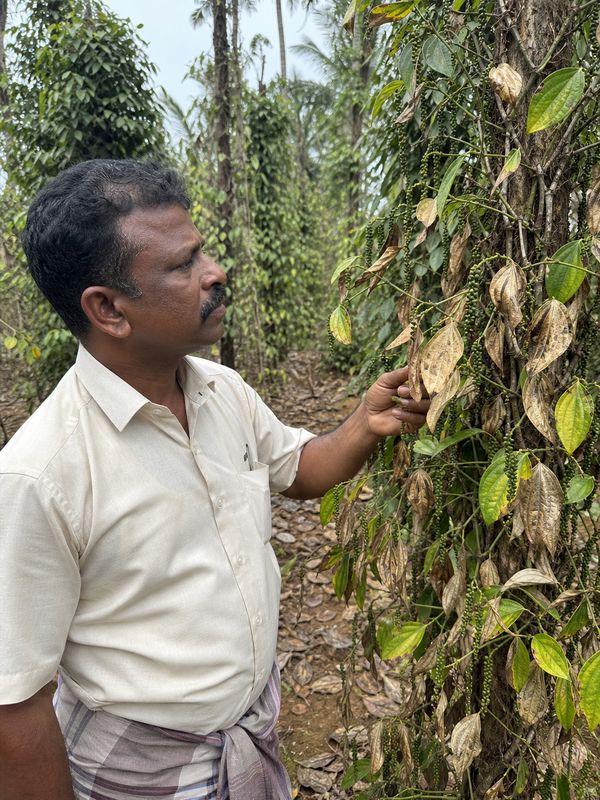
Price expected to rise. Arrival of pepper in the market is decreasing.
Producers say that black pepper production will fall again this time due to climate change in South India. The monsoon was not as strong as expected. As summer rains were not adequate, pepper vines dried up in many places. Sprouting also decreased.
More money had to be spent on plant protection compared to previous years. Despite this, it was not possible to completely save the pepper plants from diseases. There is also concern that if the harsh summer continues, black pepper production will decrease further.
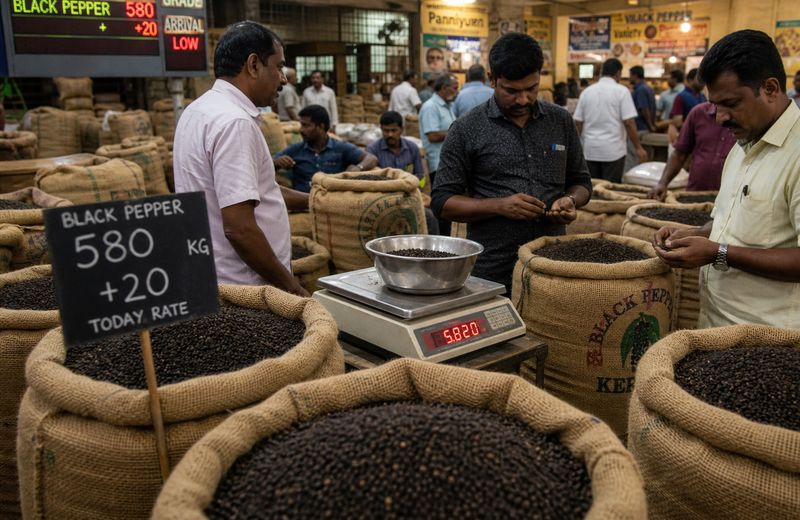
This time, there is demand from the industrial sector. Pickle manufacturers are raising such demand. Seeing that goods are not arriving in line with the demand from industrialists, buyers have raised the rate up to 225 rupees. Earlier, it was collected from some districts in Karnataka under the name South manufacturers.
Oleoresin industrialists are also facing a major shortage of goods. They are depending on imports. If domestic production is increased, the income of the agricultural sector can be raised. The reason for this is the fluctuation in the exchange rate of foreign currencies. It is more profitable to buy from the domestic market than to import.
Farmers holding back produce in anticipation of further price hikes also caused a reduction in arrivals to the market.
If the price does not rise in the coming days, it will be a setback for the farmers.
Traders are getting up to 700 rupees per kilo.
Farmers are getting less than 165 rupees for garbled pepper. The price for ungarbled is even lower.
Although there is a high price at present, the farmers are not getting it. Those who bought and stocked from farmers earlier at a low price are the beneficiaries of the current price rise.
Imports for industrial needs are a setback for farmers. Only if imports are controlled will farmers get a better price. The central government often takes a stance favorable to big players. When prices rise in the domestic market, imports are permitted. This shatters the hopes of the farmers.
The black pepper produced in Kerala has higher quality. However, production here is lower compared to other states. Not only do imports from Vietnam and Indonesia cause the price to fall, but they also put farmers in a crisis.
Traders in major markets including Thodupuzha are spreading rumors that the price will fall. The price drop following rumors spreading in the markets is what is worrying the farmers.
Understanding that the yield in the High Range and Wayanad would be lower than last season, many people hesitated to bring pepper to the market even for a high price during the Christmas season. They showed no interest.
Traders have stock in the High Range and other parts. The harvesting of black pepper will progress in the months of April and May. If an attractive price compared to the previous year cannot be guaranteed, it will push farmers towards the employment guarantee scheme.
Currently, above 165 rupees per kilo, for other low-priced products in the markets in various districts, if they are cultivated, imports will not be needed, according to experts.
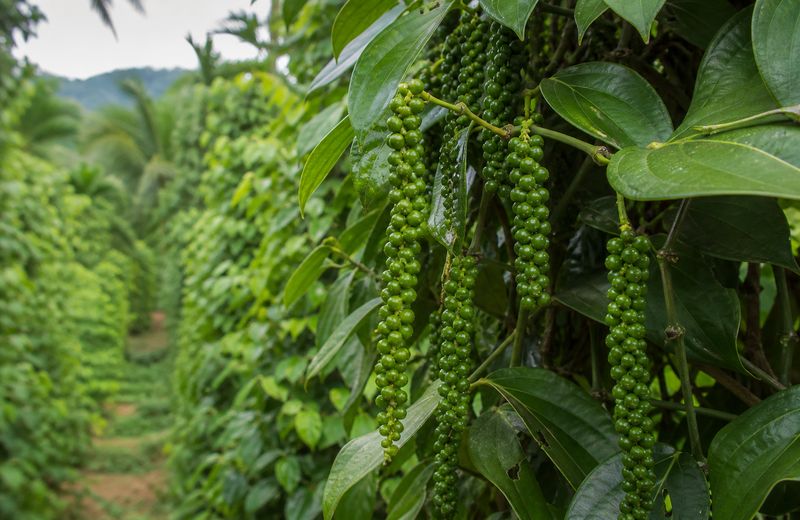
Due to the strong drought in distant places, it has not been possible to meet the demand from the foreign market. Although countries including Pakistan, Iran, and the UAE contacted several times for pepper imports, they were not ready to procure pepper at a higher rate.
Meanwhile, the state trading corporation also failed to provide an incentive price to those who had imported earlier. Marketing facilities will be provided for Christmas traders. The arrival of pepper from the agricultural sector, which is in crisis, was low. In Tamil Nadu, black pepper is hovering around 700 rupees per kilo.
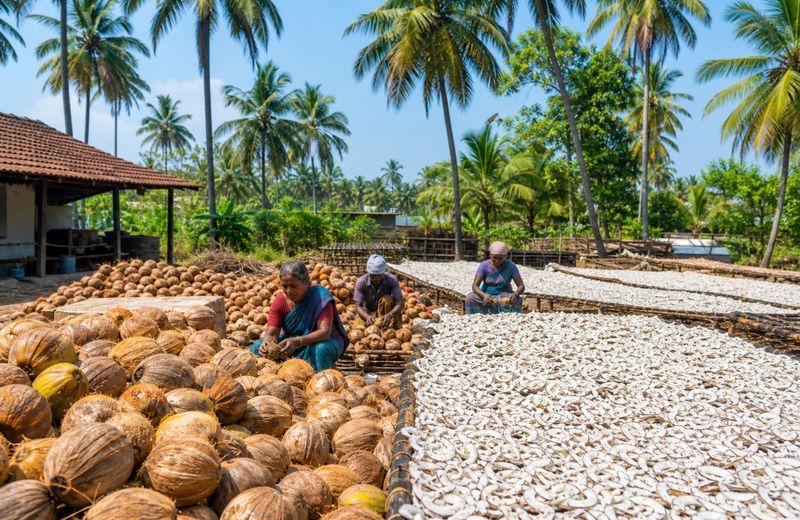
Coconut farmers are looking forward to the new season with hope. They know that the fatigue from last season’s price fall will not be repeated this time. However, South Indian farmers are looking for ways to stop the current price collapse.
In the second half of January, harvesting will begin in many parts of the state. The calculation is that if production is better, a higher price can be ensured for the agricultural sector.
Although the price of coconut in South India is hovering around 80 rupees per kilo, traders in rural areas have dropped the rate to as low as 55 – 60 rupees.
The global demand for coconut oil has been a setback for copra.
In wholesale markets, the price of copra fell to 18,900 rupees.
Even the government has not procured coconut oil after Onam.
According to prevailing news, uncertainty remains for copra. As the coconut harvest is beginning, farmers are deciding to move their stock even seeing the possibility of the rate moving towards 17,000 rupees. Now, the market which was at 31,600 rupees can be expected to fall sharply to 27,000 rupees during the coconut harvesting season. If the import of foreign edible oils is controlled, coconut growers…
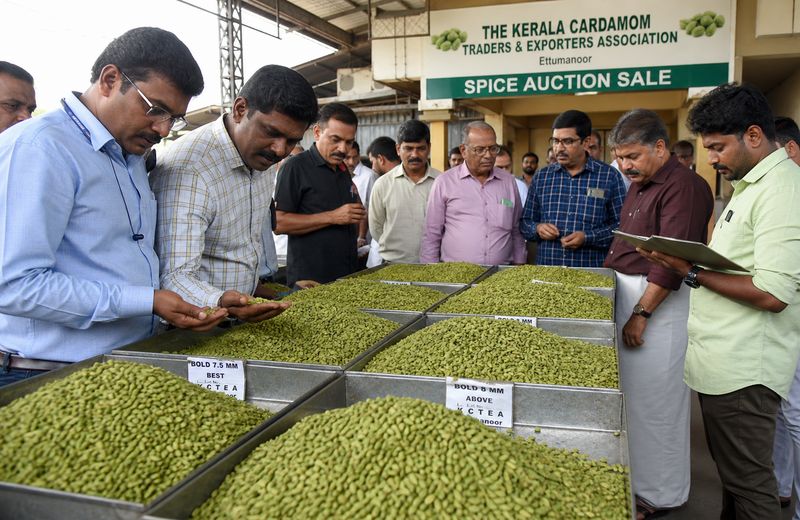
Producers are hopeful that they can make a comeback in the market. They have not yet recovered from the price fall that occurred when the new stock arrived in the market.
If the weather becomes favorable in the coming days, exporters will be able to procure more goods. After the Christmas holidays, participation in the auction was low. Indian cardamom has good demand in the international market. There is a possibility of getting more orders from countries including China. The price is now above 2,500 rupees per kilo.
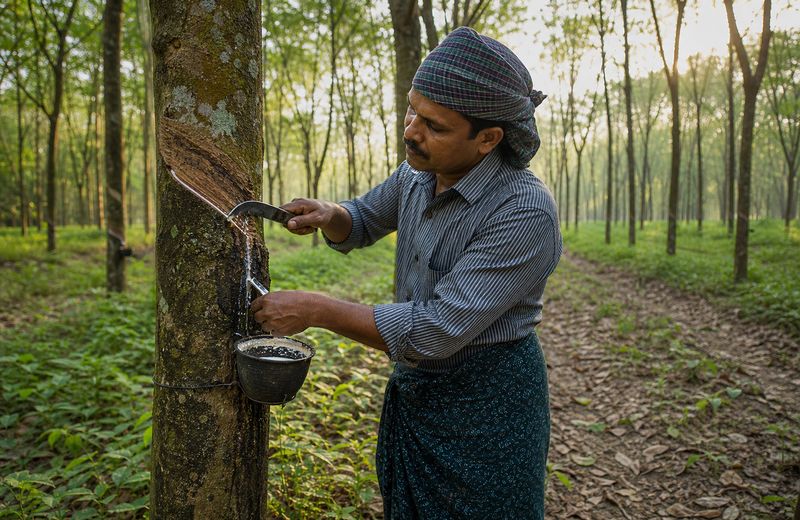
The fall in rubber prices continues. Farmers will only get relief if demand from the domestic tire industry increases. Farmers are worried that they will have to abandon cultivation if the price collapse continues.
Rubber will become unavailable even for local needs. With this, tire industrialists and others will have to depend on rubber imports. As there are large-scale imports from foreign countries, exporters have already bought stock hesitantly.
Production cost increased by about 60 rupees. Unable to meet domestic needs, farmer families were forced to stay away from farming, leaving them disappointed. For the next 2 months, maximum…
Farmers are preparing for this. As the rains became stronger, prices rose in many parts. Meanwhile, there is a reduction in interest. Fourth-grade rubber is at 183 rupees per kilo and fifth-grade is at 180 rupees. Consumers are closely watching the news from abroad for the next six months.
In the global market, for graded cardamom… demand increased this year. The demand for cardamom from North India has been strong for months. By February…
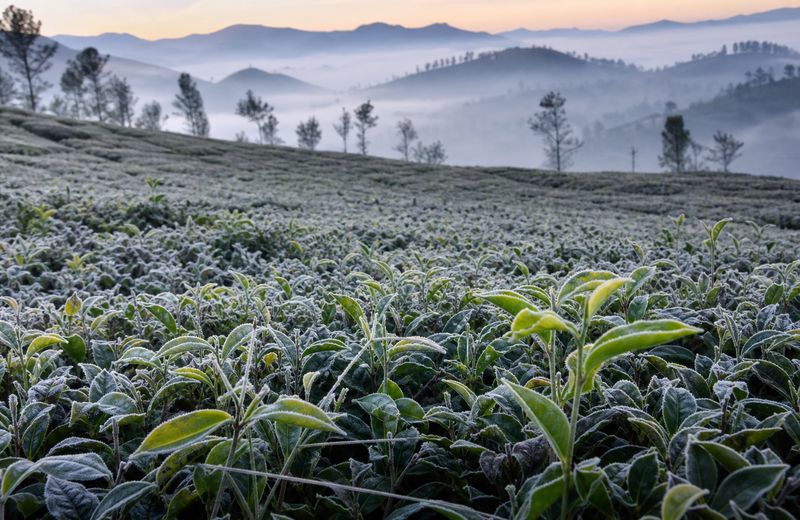
When the night temperature reached zero in December, it robbed tea producers of their sleep. The intense cold in Idukki and Wayanad forced producers to pull back.
Unable to cope with the snowfall and high daytime temperatures, the withering of tender leaves in many estates caused heavy financial losses. Tea production has been low in South India since October. With the disruption of leaf plucking in December, it became clear that there would be a huge drop in total production, and industrialists and the export community are raising the price for dust tea.
Why is black pepper production expected to decline in South India?
Black pepper production is expected to fall because the monsoon was not as strong as expected and summer rains were inadequate. Pepper vines dried up in many places, sprouting decreased, and farmers had to spend more on plant protection. Even then, diseases could not be fully controlled.
Will black pepper prices rise this season?
Prices are expected to rise because market arrivals are decreasing while industrial demand is active. Pickle manufacturers and oleoresin industrialists are looking for more pepper, and buyers have raised rates. However, farmers may not fully benefit if traders who stocked earlier control market supply.
Why are farmers not getting the full benefit of high pepper prices?
Although traders are getting up to 700 rupees per kilo in some markets, farmers are receiving less than 165 rupees for garbled pepper, with ungarbled pepper even lower. Those who bought and stocked from farmers earlier at low rates are the main beneficiaries of the current price rise.
How do imports affect Kerala black pepper farmers?
Imports for industrial needs are a setback for farmers because they can weaken domestic prices when local rates rise. The article notes that imports from Vietnam and Indonesia cause prices to fall and put farmers in crisis, even though Kerala black pepper is considered higher quality.
When will black pepper harvesting progress in the High Range and Wayanad?
The harvesting of black pepper will progress in April and May. The article notes that many farmers in the High Range and Wayanad hesitated to bring pepper to the market during Christmas because they understood that the yield would be lower than last season.
What is happening in the coconut market this season?
Coconut farmers are entering the new season with hope, but price pressure remains. While coconut in South India is hovering around 80 rupees per kilo, rural traders have lowered rates to 55 – 60 rupees. Copra prices have also weakened in wholesale markets.
Is cardamom demand improving in the international market?
Indian cardamom has good demand in the international market, and producers are hopeful of a comeback. If weather becomes favorable, exporters may procure more goods. There is also a possibility of more orders from countries including China, with the price now above 2,500 rupees per kilo.