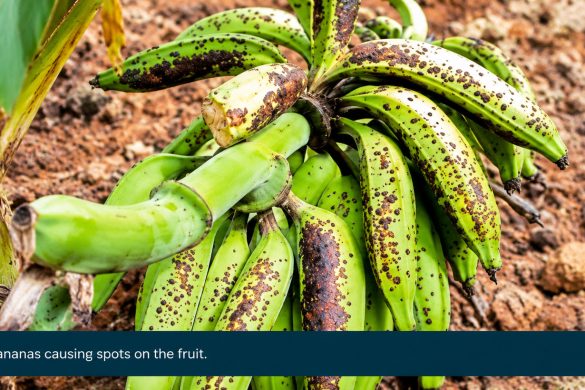
Wheat (Triticum aestivum) is one of India’s most important staple crops. However, weed infestation is a major problem that reduces crop yield and farmer income.
- Weeds compete for:
- Nutrients
- Water
- Sunlight
- This can reduce wheat productivity significantly
👉 Due to labour shortages and high costs, farmers are increasingly shifting from manual weeding to herbicide-based weed control.
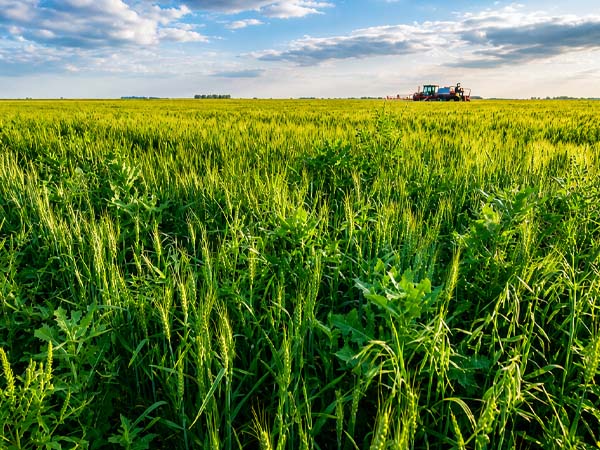

🍃 What Are Herbicides?
🎯 Objective of the Study
This research focused on:
- Comparing ready-mix vs tank-mix herbicides
- Studying their effect on:
- Weed control
- Wheat growth
- Yield
- Profitability
🧪 Experimental Setup (Simplified)
- 📍 Location: Uttarakhand, India
- 🌱 Season: Rabi 2022–23
- 🧩 Design: Randomized Block Design
- 🔟 Total Treatments:
- Multiple herbicide combinations
- Manual weeding (20 & 40 DAS)
- Control (no weed control)
💧 Application Details
- Herbicides sprayed 20–25 days after sowing
- Irrigation done every 2 weeks
- Crop harvested in April
🌿 Major Weeds Identified
Common weeds in wheat fields included:
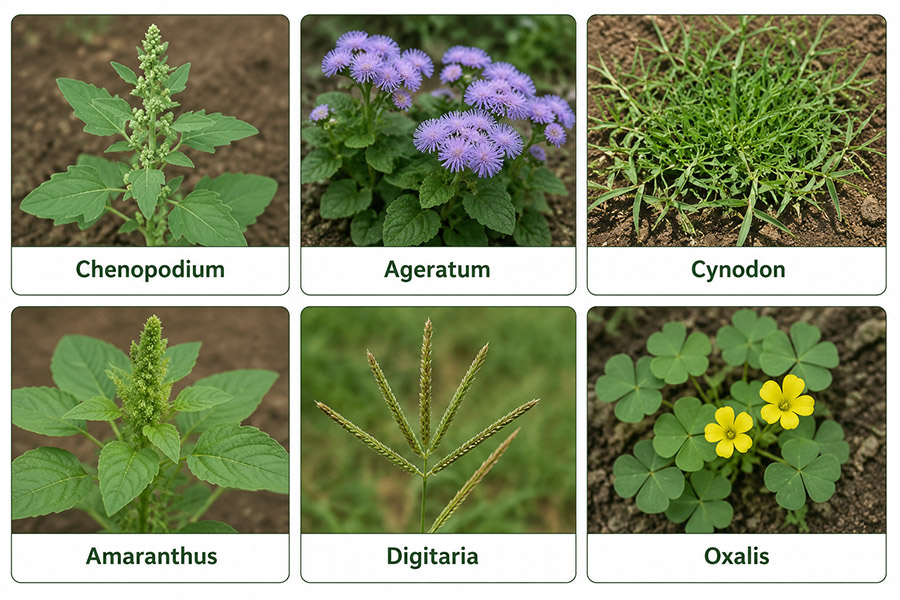
| Weed | Common Name | Type | Importance |
|---|---|---|---|
| Chenopodium | Goosefoot / Lamb’s Quarters | Broadleaf Weed | Competes with crops; some species are edible and highly nutritious. |
| Ageratum | Billygoat Weed | Broadleaf Weed | Aggressive annual weed that competes with crops and can host insect pests and plant diseases. |
| Cynodon dactylon | Bermuda Grass | Grass Weed | A persistent perennial weed that spreads rapidly through stolons and rhizomes. |
| Amaranthus | Pigweed | Broadleaf Weed | Fast-growing weed; several species have developed resistance to common herbicides. |
| Digitaria | Crabgrass | Grass Weed | Common annual grassy weed found in crop fields, lawns, and gardens. |
| Oxalis | Wood Sorrel | Broadleaf Weed | Spreads quickly through seeds and underground bulbs, making it difficult to control. |
👉 These weeds significantly reduce yield if not controlled early.
⚡ Key Findings (Quick Summary)
Best Weed Control Treatments
- Sulfosulfuron + Carfentrazone (25 + 20 g/ha)
- Clodinafop + Metsulfuron (60 + 4 g/ha)
✔ Provided:
- Lowest weed density
- Better crop growth
- Higher yield
Impact on Crop Growth
Best-performing treatments resulted in:
- 🌾 Taller plants
- 🌿 More tillers
- 📈 Higher biomass
👉 Especially effective: Sulfosulfuron + Carfentrazone
Yield & Profitability Insights
Most Profitable Option
- Clodinafop + Metsulfuron (60 + 4 g/ha)
✔ Reasons:
- Good weed control
- Lower cost compared to other mixes
- Higher net returns
⚠️ Important Observation
- Some herbicide combinations showed antagonistic effects
- Reduced overall profitability
- Slight yield reduction
👉 Meaning: Not all combinations are beneficial.
🧑🌾 Manual Weeding vs Herbicides
✋ Manual Weeding (2 times)
✔ Best weed control
❌ Not practical due to:
- High labour cost
- Time-consuming
👉 Herbicides are the more practical solution for farmers.
📊 Practical Recommendation
✅ Best Choices for Farmers
- Clodinafop + Metsulfuron (Economic & Effective)
- Sulfosulfuron + Carfentrazone (High performance)
👉 These combinations provide: Effective weed suppression Better yield Higher profit
📢 Expert Callout:
Always rotate herbicides with different modes of action to avoid weed resistance buildup.
⚠️ Limitations of Study
- Conducted in one location (Uttarakhand)
- Needs validation across:
- Different soil types
- Climate conditions
🔗 Full Case Study (Research Paper)
👉 Access the original research paper here:
https://www.biochemjournal.com/archives/2023/vol7issue2S/PartC/S-7-2-19-433.pdf
❓ FAQ
What is the best herbicide mix for wheat weed control?
The most effective combinations are Sulfosulfuron + Carfentrazone and Clodinafop + Metsulfuron which provide excellent weed control and improve yield.
Is manual weeding better than herbicides in wheat?
When should herbicides be applied in wheat?
Herbicides should be applied 20–25 days after sowing (DAS) for best results.
Do herbicide mixtures always increase yield?
No. Some combinations may have antagonistic effects, reducing yield and profitability. Choosing the right mix is important.
How can farmers avoid herbicide resistance?
Farmers should:
- Rotate herbicides
- Use different modes of action
- Avoid repeated use of the same chemical