452
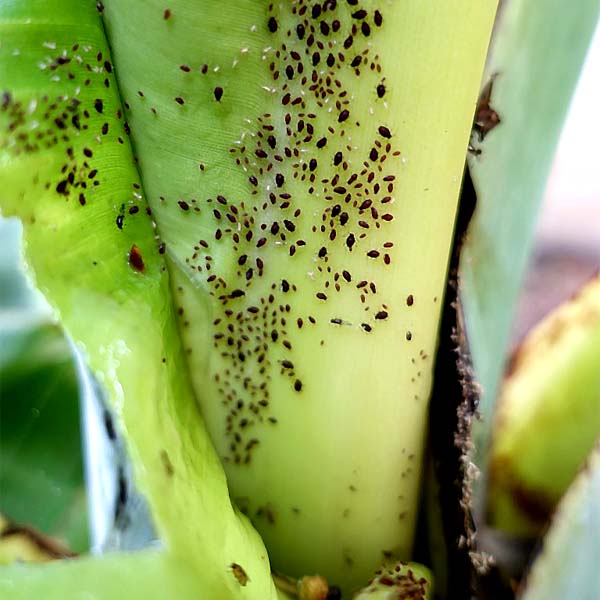
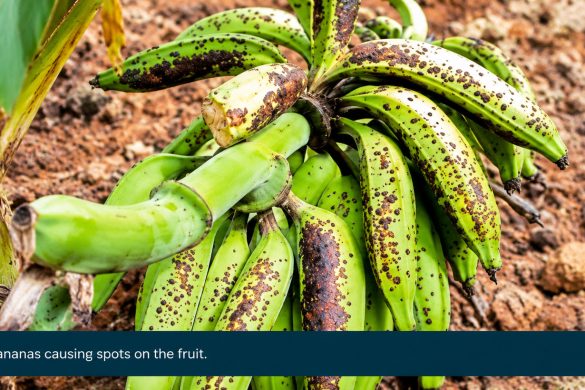
Juice-sucking insects are one of the most common pest problems affecting banana plants, especially during the summer season. Their infestation is more severe during dry periods when there is no rain. In Kerala, common juice-sucking pests include aphids (banana aphid), leafhoppers, whiteflies, and green leafhoppers.
Major Juice-Sucking Pests in Banana
🐜 Aphids (Banana Aphid)
🦗 Leafhoppers
🪰 Whiteflies
🦗 Green Leafhoppers
🦗 Leafhoppers
🪰 Whiteflies
🦗 Green Leafhoppers
Importance of Control
- Among these, banana aphids and leafhoppers receive the most attention
- Banana aphids act as vectors for viral diseases
- Responsible for spreading the Bunchy Top disease in bananas
- If not controlled at the right time, these pests can even lead to the destruction of the crop
Control Methods
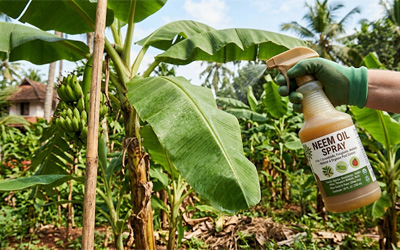
🌿 Neem Oil Spray
- One of the most effective methods to control juice-sucking pests in banana
- Mix 10 ml of neem oil in 1 liter of water
- Spray it on the underside of leaves
- Apply at intervals of 20 days
- Helps in controlling these pests effectively
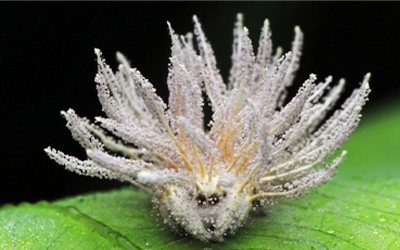
🦠 Biological Control (Lecanicillium lecanii)
- Mix 20 grams of this powder in 1 liter of water
- Spray it on the underside of leaves
- Repeat this process three times
- Maintain intervals of three weeks
- Helps to control juice-sucking pests
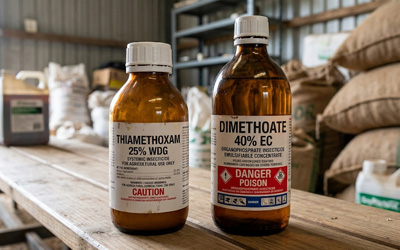
⚠️ Chemical Control (Only in Severe Cases)
Chemical pesticides should be used only in cases of severe infestation
- Thiamethoxam
- 2 grams mixed in 10 liters of water
- Spray on the underside of leaves
- Dimethoate
- 1.5 ml per liter of water
- Spray similarly
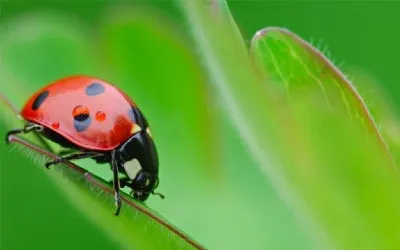
🐞 Natural Predators (Biological Control)
- Natural predators also help control juice-sucking pests in banana
- Farmers should encourage biological control methods whenever possible
- Predators like ladybird beetles (ladybugs) are especially effective
- Should be conserved for sustainable pest management
👉
Key Takeaway
Early detection and timely control of juice-sucking pests are essential to prevent viral diseases like Bunchy Top and avoid crop loss.
Credits
- Dr. Gawas Rakesh
- Assistant Professor
- Department of Entomology
- Banana Research Centre, Kannara
- Kerala Agricultural University
FAQ
What are juice-sucking pests in banana plants?
Juice-sucking pests in banana include aphids, leafhoppers, whiteflies, and green leafhoppers that feed on plant juice and weaken the plant.
Why are banana aphids dangerous?
Banana aphids are dangerous because they act as vectors for viral diseases like Bunchy Top disease in bananas.
How to control juice-sucking pests in banana naturally?
Juice-sucking pests can be controlled naturally using neem oil sprays and biological agents like Lecanicillium lecanii.
What is the neem oil dosage for banana pest control?
Mix 10 ml of neem oil in 1 liter of water and spray on the underside of leaves at intervals of 20 days.
How to use Lecanicillium lecanii for banana pests?
Mix 20 grams in 1 liter of water and spray on leaves three times at intervals of three weeks.
When should chemical pesticides be used in banana?
Chemical pesticides should be used only during severe infestation of juice-sucking pests.
What chemicals are used to control banana aphids?
Thiamethoxam and Dimethoate are commonly used chemicals for controlling banana aphids.
How do juice-sucking pests damage banana plants?
They suck plant juice, weaken the plant, and transmit viral diseases, leading to reduced yield or crop loss.
What are natural predators of banana pests?
Ladybird beetles (ladybugs) are effective natural predators that help control juice-sucking pests.
How to prevent Bunchy Top disease in banana?
Controlling banana aphids early using neem oil, biological methods, and timely intervention helps prevent Bunchy Top disease.