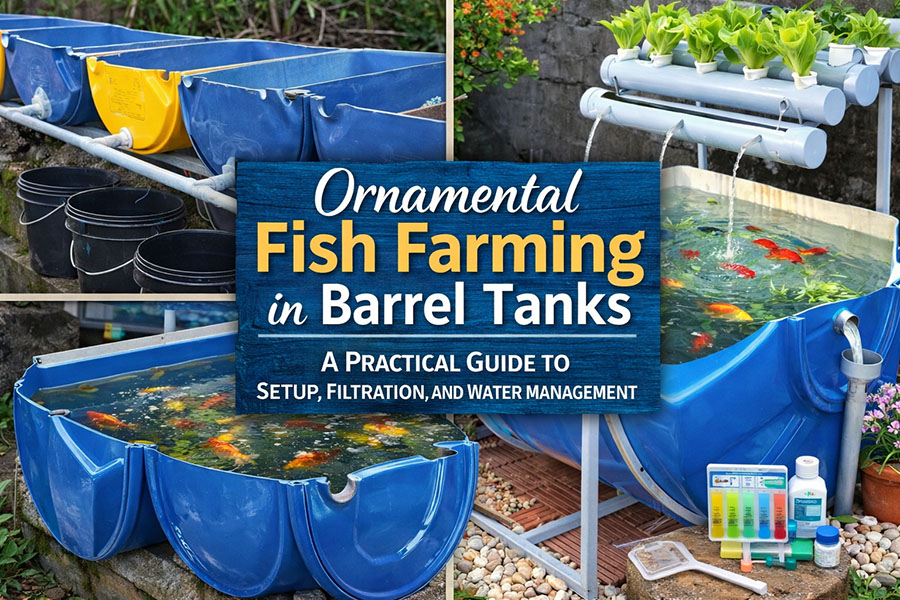
Fish farming in Kerala is evolving from small home ponds to highly productive aquaculture systems. Innovative farmers are demonstrating how scientific hatchery management, coordinated pond culture, and integration with other farm enterprises can lead to high output and diversified income.
Why Fish Farming Works in Kerala
Kerala’s inland water resources and farmer familiarity with aquatic systems make fish farming a viable and profitable enterprise. Key success factors include:
Development of hatcheries producing huge numbers of fishlings
Adoption of multiple species culture
Integration with rice fields and vegetable production
Use of scientific water and nutrient management practices
Producing Millions of Quality Fishlings
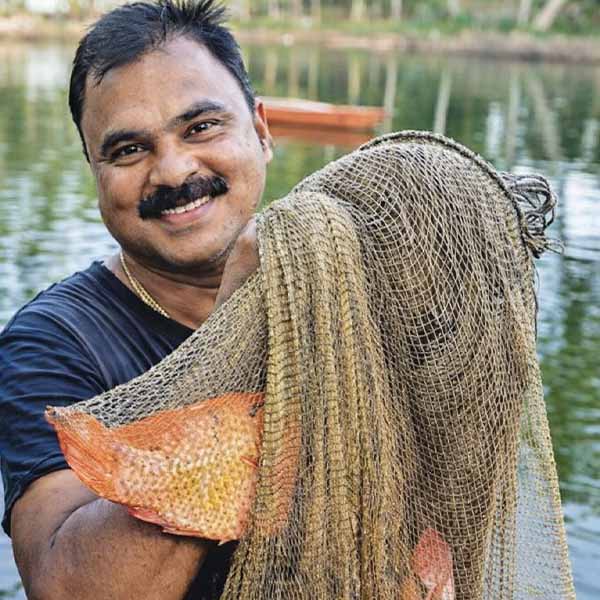
In a noteworthy example from central Kerala:
Farmers produced over 50 million fishlings in a year.
Hatchery techniques included controlled breeding and early de-tail care.
Species bred ranged across carp, tilapia, giant gourami, snakehead (varaal), Malaysian vala (catfish), and pearlspot (karimeen).
Breeding Process Highlights:
Fish reproduce naturally or via induced spawning in a specialized breeding pool.
Eggs hatch within 24 hours.
After 7 days, fishlings are transferred to grow-out ponds.
Water quality is prepared and monitored using liming and sterilization before each batch is introduced.
Scientific Pond Management
Successful fish farming relies on careful pond preparation:
Proper cleaning and disinfection before stocking new batches
Monitoring key water parameters including pH, hardness and ammonia
Using nutrient additions (urea, superphosphate, organic matter) to support phytoplankton growth—natural feed for small fishlings
👉 This approach promotes faster growth and higher survival during early months, with fish being sold approximately one month after stocking.
Integrated Farm Benefits
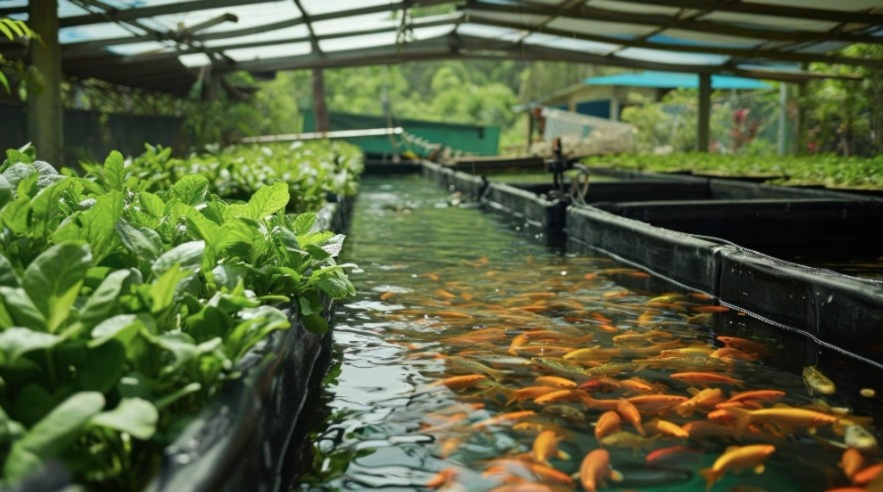
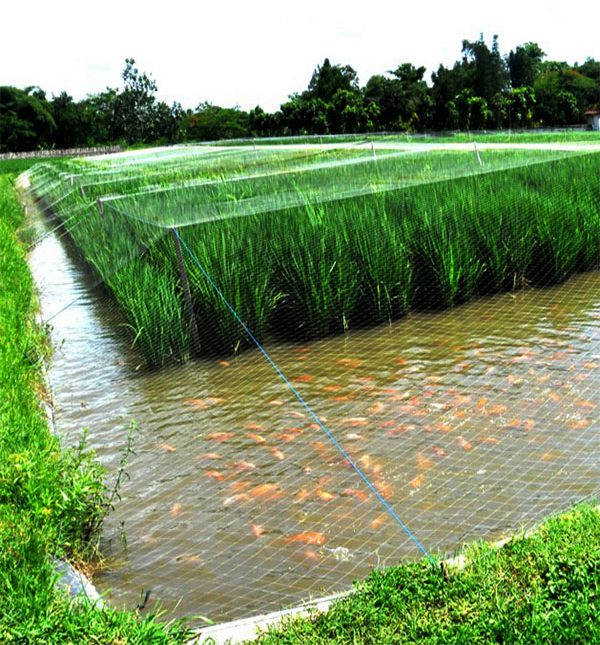
Farmers are integrating fish culture with other agricultural activities:
Rice cultivation on adjacent fields
Gro-bag gardening using pond silt for enrichment
Vegetable production on embankments and nearby land
👉 This diversification enhances income while maximizing use of available resources and reducing waste.
Economic Impact for Farmers
The model in this case has provided multiple revenue streams:
A variety of species catering to market niche pricing
Lower production costs through reuse of farm resources
Millions of fishlings sold monthly
Increased food security for household and community use
Best Practices for Successful Fish Farming
✅ Species Selection To replicate success, farmers should consider choose species suited to water conditions and market demand, such as:
👉 (Each species has specific growth and feed traits.)
Carp Varieties
Tilapia
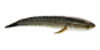
Snake Head (Varaal)
Pearl Spot (Karimeen)
Pond Prep and Water Quality
Use bleaching and liming before stocking
Test pH, hardness and nutrient levels
Maintain oxygenation and phytoplankton levels
Integrated Farming
Co-locate fish ponds with crop fields and vegetable production to utilize soil and water resources efficiently.
Fish farming in Kerala is not only a viable agricultural enterprise but a model for sustainable, integrated rural livelihoods. Scientific hatchery practices combined with multi-species culture and integration with land-based farming systems help farmers produce millions of fishlings annually and diversify income streams. With proper water management, species choice, and market strategy, fish farming can significantly contribute to both food security and economic resilience in Kerala.
FAQ
What fish species are best for farming in Kerala?
Common species include carp (rohu, katla, mrigal), tilapia, snakehead (varaal), giant gourami, Malaysian vala, and pearlspot (karimeen).
How many fishlings can a well-managed hatchery produce?
With proper breeding, over 50 million fishlings can be produced annually.
How soon can fishlings be sold after hatching?
After hatchery care, fishlings can be transferred to grow-out ponds and sold approximately one month after stocking.
Can fish farming be integrated with other crops?
Yes. Fish ponds can be placed alongside rice fields and vegetable gardens to maximize farm productivity.
What are key water quality factors for fish ponds?
Monitor pH, hardness, ammonia levels and oxygen, ensuring optimal conditions before introducing fishlings.
Why is pond disinfection important?
Disinfection before each batch prevents disease and supports high survival rates.
Are fish farms profitable in Kerala?
Yes. With good management and market access, fish farming can generate significant income for farmers.
Is technical training necessary?
Scientific breeding and pond management benefit greatly from training and extension support.
Can small ponds be productive?
Small ponds can be productive if species selection and stocking densities are well planned.
What markets exist for farmed fish?
Local markets, traders, restaurants, and hatchery buyers are potential buyers for farmed fishlings and grown fish.


 In a noteworthy example from central Kerala: