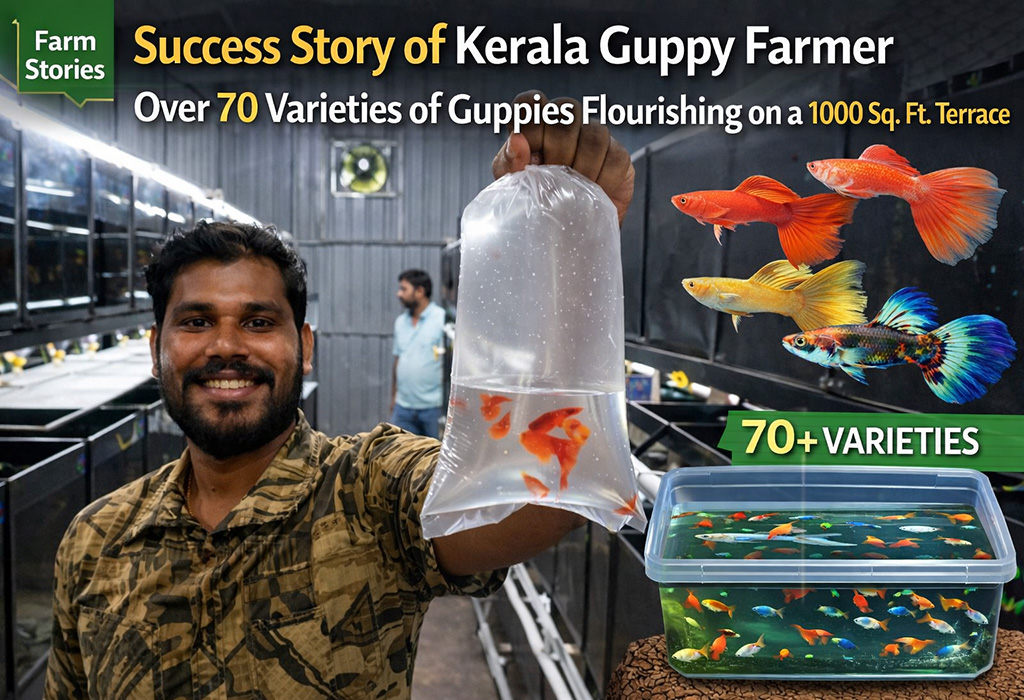
Fish farming is emerging as a profitable alternative livelihood in the high ranges of Kerala. One outstanding example is Fishly Fish Farm, located in Teekoy, Kottayam. What began eight years ago as a small experiment beside a home pond has grown into a successful enterprise under the brand Fishly. Facing a slump in rubber prices, the farm’s founder turned to aquaculture and carved out an efficient, sustainable business model that now sells 20-25 tonnes of fish annually.
Why Fish Farming in the High Ranges?
High range areas often lack access to fresh fish due to geographic constraints. Recognizing this unmet demand, the founder of Fishly Fish Farm invested approximately ₹50 lakh to develop fish farming infrastructure on about 1.25 acres of land adjacent to his property.
Farm Design and Pond System
Nursery Pond
(25×25 feet)
For initial stocking of fishlings
Intermediate Pond
(35×35 feet)
For growing juveniles
Main Pond
(50×50 feet)
For fully grown fish

Fishlings sourced from Thrissur are first raised in the nursery pond. As they grow, they are transferred to larger ponds, culminating in the main pond for full maturation. Only quality commercial fish feed is used throughout the rearing process.
Clean Water and Oxygen Management
Tilapia, particularly the GIFT (Genetically Improved Farmed Tilapia) strain, requires clean, well-oxygenated water to thrive. To ensure optimal oxygen levels:
✅ Paddle wheel aerators are installed in ponds.
✅ Regular water quality monitoring is conducted.
✅ Clean water intake is prioritized to maintain fish health.
This focus on water quality and nutrition is key to producing tasty, quality fish that appeals to consumers and resorts alike.
Production Volume and Market Reach
Fishly Fish Farm achieves annual sales of about 20–25 tonnes of tilapia. Major customers include:
✅ Resorts across the high ranges from Wagamon to Thekkady
✅ Local markets and retail buyers
This steady demand underscores the viability of freshwater fish production in regions traditionally underserved by marine fish supply chains.
Value-Added Products: Boneless Tilapia
In addition to selling live and fresh fish, Fishly has diversified into value-added products:
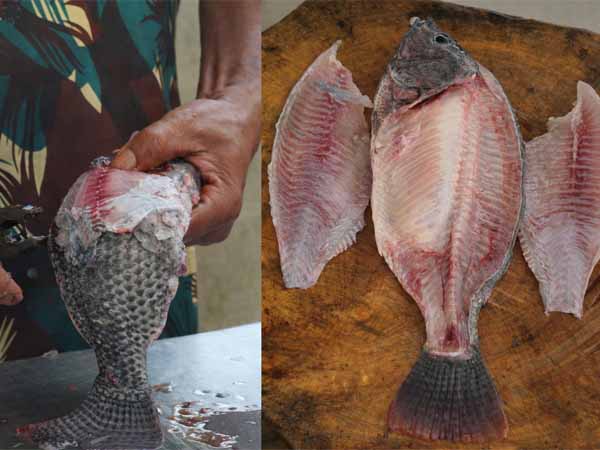
Boneless Tilapia Fillets
- Fish are de-skinned and de-boned
- Packed and refrigerated for retail
- Ready to cook in 4 minutes
These products comply with food safety norms, offering convenience and higher profit margins.
Family Involvement and Workforce
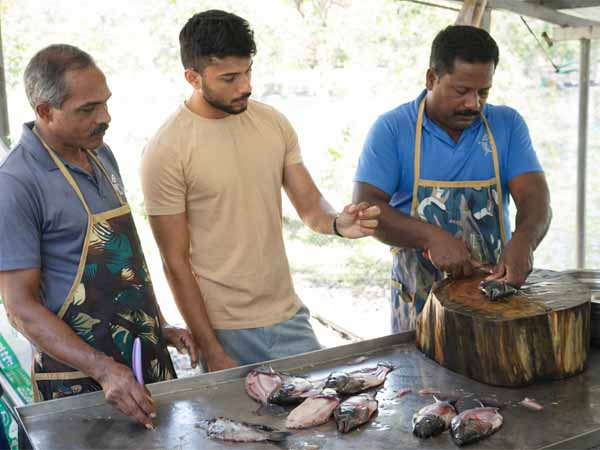
Fishly Fish Farm operates with a small, skilled team:
- Three full-time workers
- Founder’s son actively manages daily operations
- Family support from wife and children in various capacities
This close-knit structure contributes to consistent farm performance and quality control.
Tips for Successful Fish Farming
Here are key practices based on the Fishly model:
- Invest in good quality feed and clean water
- Build consistent market channels with resorts and local buyers
- Use proper pond zoning for different growth stages
- Monitor oxygen levels and water quality
- Diversify into value-added products
FAQs
What species of fish does Fishly Fish Farm raise?
How much fish does the farm produce annually?
The farm produces about 20–25 tonnes of fish each year.
Why is water quality important in aquaculture?
Can small farms sell value-added products?
Where are Fishly’s customers located?
Customers include resorts from Wagamon to Thekkady and local buyers in surrounding areas.
What equipment is essential for a fish farm?
Basic equipment includes aerators, quality feed, pond liners, and water quality testing tools to support healthy growth.
Is fish farming profitable in high ranges?
Yes. With proper management, tilapia farming can be profitable due to local fresh fish demand and limited competition.
How can new farmers start with limited land?
Newcomers can begin with smaller ponds, scale production gradually, and pursue niche markets like boneless fillets.