Mushroom farming is gaining popularity as a low-cost, low-effort income source and a healthy food option. Whether you want fresh mushrooms for your family or aspire to start a small business, mushrooms can be cultivated in minimal space with affordable inputs.

Why Consider Mushroom Farming?
Mushroom cultivation appeals to many because:
- It requires minimal space – even a small corner at home is enough.
- Low initial investment – substrates and simple grow bags suffice.
- You can earn regular income with proper care and sales strategy.
- Mushrooms are nutrient-rich and healthy.
What You Need to Get Started
Essential Equipment
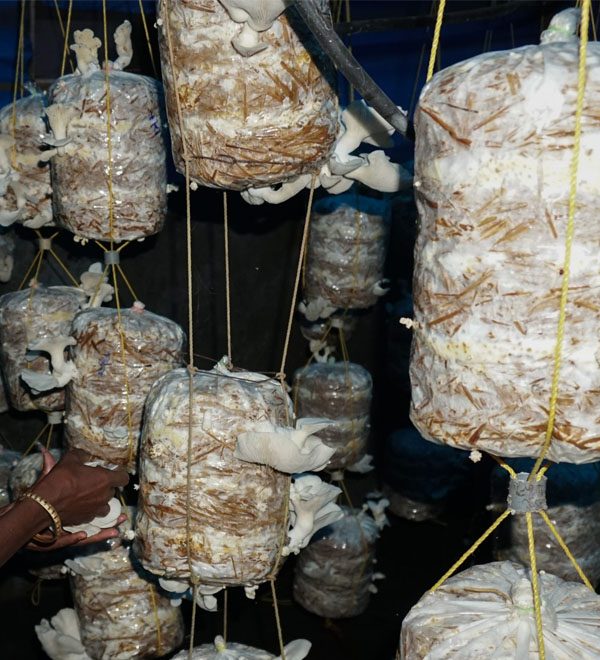
- Mushroom grow bags – prepped with appropriate substrate and spawn.
- A clean, shaded corner in a room or balcony.
- Basic watering setup to maintain moisture.
No expensive high-tech infrastructure is required at the start.
Mushroom Farming Process – Step by Step
1. Preparing Grow Bags
- Choose quality mushroom spawn.
- Fill bags with substrate (straw, sawdust, or other organic material).
- Seal and set them in a clean environment.
2. Maintaining Ideal Conditions
- Provide consistent moisture by watering regularly.
- Ensure indirect light and proper ventilation.
- Avoid direct sunshine on bags.
3. Harvesting
- Mushrooms are ready when caps open – harvest carefully.
- Frequent harvesting increases productivity.
Course and Training Opportunities
Structured courses can accelerate your learning. Expert-led certification programs cover:
- Types of mushrooms suitable for local climates.
- Correct substrate and spawn selection.
- Care, harvest, and basic marketing strategies.
👉 These programs often offer certificates upon completion and sometimes include starter grow bags for practical experience.
Benefits of Mushroom Farming
- Regular income – daily or weekly harvests.
- Health food supply for home use.
- Flexible work schedule ideal for homemakers and part-time entrepreneurs.
Turning Mushroom Farming into a Business
Marketing Channels
- Local markets and roadside stalls
- Home delivery to customers
- Supplying to restaurants and stores
Value-Added Products
- Dried mushrooms
- Mushroom powder
- Pickles and ready-to-cook mixes
Home mushroom farming is a low-cost, high-potential opportunity for individuals seeking additional income or a small business venture. With minimal investment, simple tools, and consistent care, cultivating mushrooms can yield nutritious produce for personal use and commercial sales. Proper training and strategic marketing further enhance your success prospects in this rewarding agricultural niche.