Importance of Monsoon Vegetable Cultivation
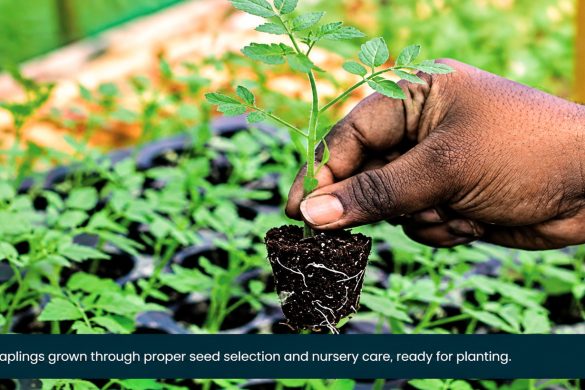
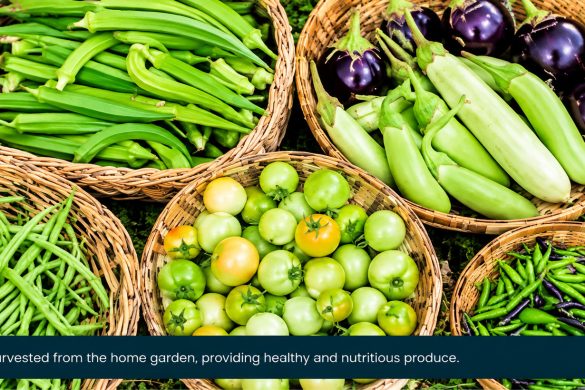
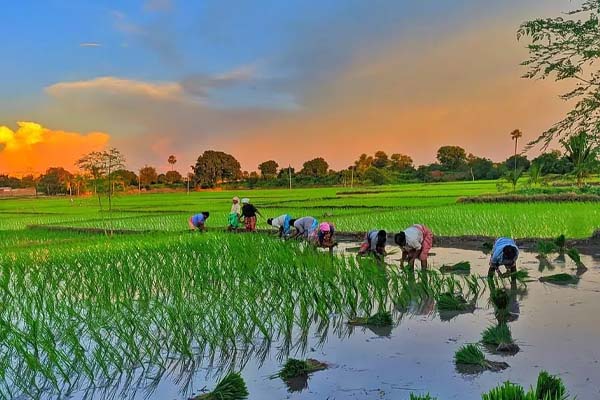
Monsoon vegetable cultivation is not something that should be given up due to low production. Prices of vegetables do not fall during the monsoon season. The problem of high price and scarcity of vegetables during the monsoon season can be solved by growing vegetables in the backyard and on the terrace with care. For this, monsoon vegetable cultivation should be started in April itself.
Types of Vegetables Suitable for Monsoon Cultivation
- Cowpeas highly prefer the rainy season.
- Okra can be planted in the month of April. Yellow vein mosaic diseases are less common in okra during monsoon.
- Amaranthus gives good yields if sown in April and transplanted before mid-May.
-Green amaranthus is better for monsoon cultivation than the red variety. - These leafy vegetables grow well in naturally irrigated water and need not be excluded from monsoon cultivation.
- Eggplant gives good yields continuously for two years without any special care when seedlings are transplanted.
- Chilies grow well during the monsoon season as they are less susceptible to insects.
- Bitter gourd can also be cultivated during the monsoon season.
- Ivy gourd, clove beans, and marrows can also be grown.
- Cucumbers, pumpkins, and ash gourds are ideal for summer cultivation.
- The soil should be heaped at the base of sprouted yam and arvi plants.
- Plants can also be cultivated by covering the area with a transparent sheet and exposing it to sunlight.
Be Careful With Disease-Causing Pests
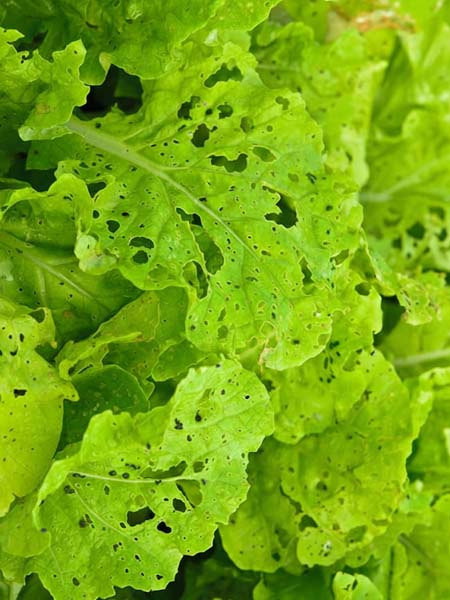
During the monsoon season, due to lack of sunlight and high risk of water logging, pests are more likely to appear within two weeks of planting.
- Beneficial fungicides such as Trichoderma can be used.
- Trichoderma can be used in combination with cow dung.
- Pseudomonas:
- 20 g or 5 ml to 10 ml of liquid Pseudomonas can be added to one liter of water.
- It can be sprayed on the leaves or poured at the base half an hour after watering.
- It protects against leaf spot and bottom rot diseases.
- Organic pesticides such as:
- Neem oil–garlic mixture
- Tobacco tincture
- Garlic–hot pepper mixture
- These can be sprayed alternately once a week.
- Weeds and forests near the farm that allow small insects to grow should be cleared.
Fertilization During Monsoon Vegetable Cultivation
- One teaspoon of lime can be added once in two weeks to vegetables grown in grow bags.
- Proper drainage should be ensured.
- If not adequately watered, soil aeration will decrease.
- Microbes in the soil that provide nutrients to plants must be able to breathe.
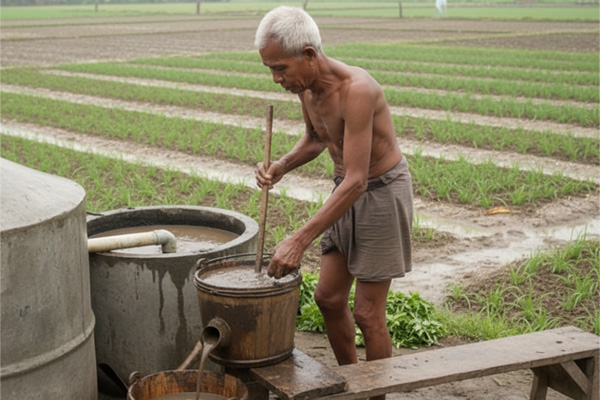
- Liquid fermented organic manure, cattle manure, bone meal, and compost can be applied once a week.
Preparation and Use of Bio-Slurry Mix
Bio-slurry mix is a fast, nutritious, homemade product.
- Add:
10 kg cow dung
1 kg neem cake
1 kg groundnut cake
1 kg bone meal
Required water or cow urine - Leave the mixture to ferment.
- On the fifth day, stir and dilute one cup of slurry with ten times water before application.
Fish Amino Acid as Nutrient Source
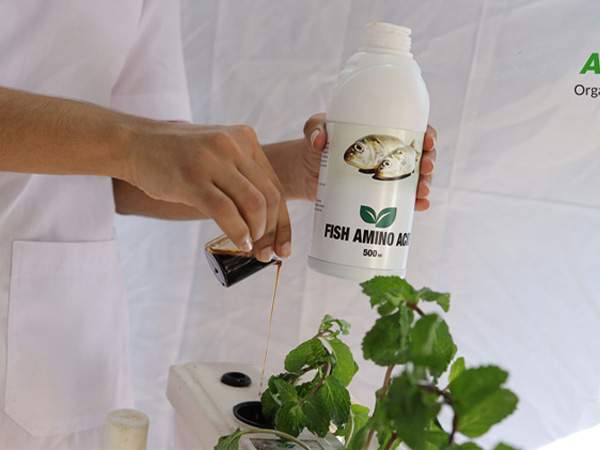
- Keep 1 kg sardine and 1 kg jaggery airtight for 15 days.
- Then use it by diluting 2 ml in 1 liter of water.
Conclusion
Vegetable cultivation during the monsoon season is not something that should be given up due to low production. Prices of vegetables do not fall during the monsoon season.