Home » Foliage Plant Farming: Top Varieties for Year-Round Income

Foliage Plant Farming: Top Varieties for Year-Round Income

by Sama Sadhik
5 minutes read

✍️ By Prof (Retd.) Jacob Varghese Kunnam — Horticultural Expert

Christmas Rosamiyana, Song of India, Song of Jamaica, Chainama, and Marginata are at the forefront of the foliage varieties. All these can be grown to improve our atmosphere and as intercrops in rubber and cashew plantations. They can be harvested throughout the year, regardless of the rainy or summer season.

Compared to floriculture, the risk of loss is less in foliage cultivation. After all, the leaves will not perish even if they remain on the plant for a long time. Select the varieties according to market demand and availability of space — more important than just producing is to make the main varieties available in large quantities.

Colorful foliage plant varieties including Song of India and Marginata growing in a tropical garden

🌿 Top Foliage Varieties to Grow

Choosing the right variety based on market demand and available space is key to a profitable foliage operation. For one variety, traders are interested in preserving just enough as is necessary — so focus on producing large quantities of your chosen main varieties rather than spreading across too many types.

🌱

Christmas Rosamiyana

🌿

Song of India

🍃

Song of Jamaica

🌾

Chainama

🌲

Marginata

💡 Intercropping Tip: All these foliage varieties can be grown as intercrops in rubber and cashew plantations, helping improve the atmosphere while generating additional income from the same land.


✂️ Propagation & Site Selection

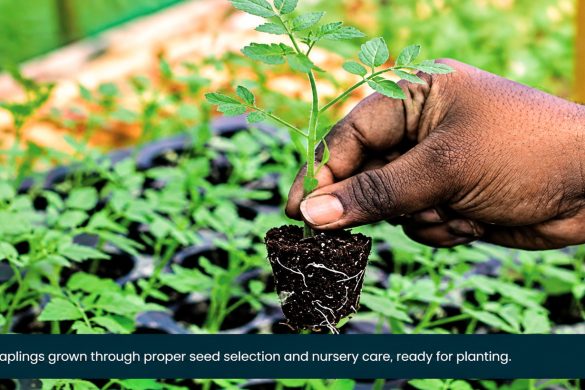
All foliage plants are grown by planting cuttings. Places where water does not stagnate are suitable for commercial cultivation. They will grow well in a couple of weeks.

At the same time, if cuttings are taken from the main stem, the beautiful color variations on the leaves may fade and the plant may become stunted — they will turn green.

⚠️ Sun Exposure Warning: If exposed to too much sun, the tips of the leaves will get scorched, turn brown, and perish in the summer. Ensure adequate shade, especially during peak summer months.
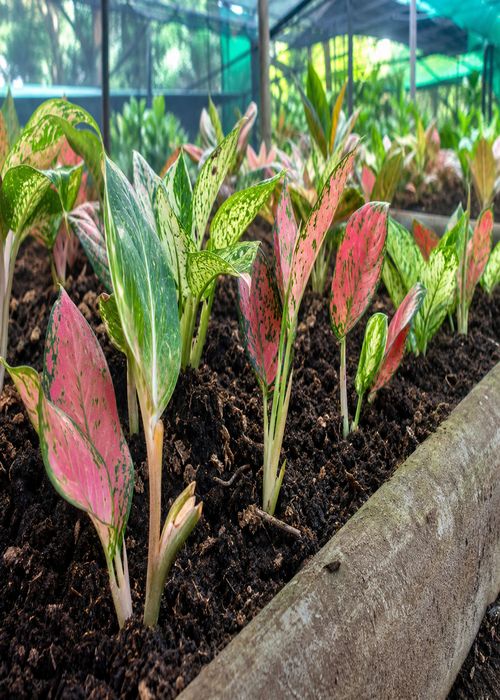
Foliage plant cuttings being propagated in a shaded nursery bed with healthy colorful leaves

🌱 Organic Care & Fertilization

Organic fertilizers are suitable for foliage plants. This will help the plant to grow healthily, the leaves to get a vibrant color, and to remain fresh for a longer time in flower arrangements.

💪

Promotes healthy plant growth

🎨

Gives leaves a vibrant color

💐

Keeps leaves fresh longer in floral arrangements

Neem oil gives leaves a good shine

🌿 Neem Oil Spray: Spraying a little organic pesticide, such as a neem oil solution, will benefit the new shoots. Neem oil will also help the leaves get a good shine.


📊 Why Choose Foliage Over Floriculture?

Foliage cultivation offers several practical advantages over conventional floriculture, especially for farmers looking for a more stable and year-round income.


  • Lower risk of loss — leaves do not perish even if they remain on the plant for a long time.

  • Year-round harvest — unaffected by the rainy or summer season.

  • Intercropping potential — can be grown alongside rubber and cashew plantations.

  • Quick establishment — cuttings grow well within a couple of weeks.

  • Atmospheric improvement — contributes to a healthier environment around the farm.

📞 Expert Contact: For foliage cultivation advice, reach Prof (Retd.) Jacob Varghese Kunnam, Horticultural Expert, at 9447002211.



❓ FAQ

🌿 What are the best foliage plant varieties for commercial cultivation?

The top foliage varieties recommended for commercial cultivation include Christmas Rosamiyana, Song of India, Song of Jamaica, Chainama, and Marginata. These are in high demand in the market and can be grown as intercrops in rubber and cashew plantations, making them ideal for maximizing land use and income throughout the year.

✂️ How are foliage plants propagated?

All foliage plants are grown by planting cuttings. They establish well within a couple of weeks. However, avoid taking cuttings from the main stem, as this can cause the leaf color variations to fade and the plant to become stunted, turning the leaves plain green instead of their characteristic variegated hues.

🌞 Can foliage plants be grown in full sunlight?

No. Foliage plants are sensitive to excessive sun exposure. Too much direct sunlight causes the leaf tips to scorch, turn brown, and perish — especially during summer. It is best to grow them in partial shade or under the canopy of larger trees such as rubber or cashew, which also makes intercropping an ideal arrangement.

🌱 What type of fertilizer is best for foliage plants?

Organic fertilizers are most suitable for foliage plants. They help the plant grow healthily, improve the vibrancy of leaf color, and extend freshness when used in flower arrangements. Organic inputs also support long-term soil health, making them the preferred choice over synthetic alternatives for sustainable foliage farming.

🛡️ How does neem oil help foliage plants?

Spraying a neem oil solution acts as an organic pesticide that benefits new shoots and protects against pests naturally. Additionally, neem oil gives the leaves a healthy shine, improving their visual appeal — which is especially valuable when the foliage is used in decorative floral and flower arrangements.

📅 Can foliage plants be harvested year-round?

Yes, foliage plants can be harvested throughout the year, regardless of the rainy or summer season. Unlike flowers that have a short shelf life, foliage leaves remain viable on the plant for a long time, reducing post-harvest losses and making foliage farming a more stable and consistent income source compared to floriculture.

💰 Is foliage cultivation profitable for small farmers?

Foliage cultivation is well-suited for small farmers due to its lower risk compared to floriculture, minimal input requirements, and the ability to grow as intercrops in existing rubber or cashew plantations. Selecting varieties based on local market demand and focusing on producing large quantities of a few main varieties is the most effective strategy for profitability.

You may also like