Why Annual Calving Matters in Dairy Farming
Annual calving — ensuring each cow calves once every year — is a cornerstone of profitable dairy farming. When cows consistently give birth once per year, milk production remains steady and farm income improves. Managing calving cycles requires a combination of nutrition, health care, and precise breeding techniques.
This comprehensive guide breaks down best practices and key steps to achieve reliable yearly calving in your dairy herd.

Understanding the Calving Cycle
✤ This cycle affects:
- Milk yield consistency
- Reproductive health
- Farm profitability
✤ To maintain this cycle, cows must:
- Recover fully after a previous calving
- Return to heat (estrus) in a timely fashion
- Be inseminated effectively during the optimal fertility window
Postpartum Recovery — The Foundation of Fertility
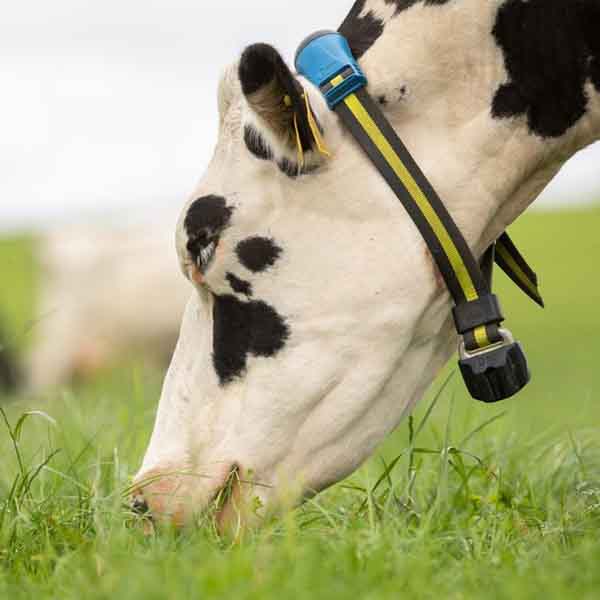
After a cow calves, her body must recover for the next pregnancy. Key goals include:
- Uterine Involution: The uterus must shrink and return to its normal size.
- Heat Detection: Begin watching for signs of heat within the first month.
- Proper Nutrition:
- Feed a balanced ration with sufficient energy and protein.
- Ensure availability of vitamin A to support reproductive health.
If postpartum recovery is delayed due to retained placenta, uterine infection, or inflammation, cows may not resume normal fertility quickly.
Nutrition and Health Strategies
Balanced Feeding for Fertility
To support reproductive efficiency:
- Provide energy-dense and nutrient-balanced feed.
- Include sufficient vitamins and minerals.
- Ensure clean water is available at all times.
Proper nutrition supports hormone function and improves heat expression.
✤ Vitamin and Supplement Support
Vitamin supplementation— especially vitamin AD3E — during late pregnancy and postpartum can help reduce reproductive issues and support faster return to estrus.
Timely Insemination Practices
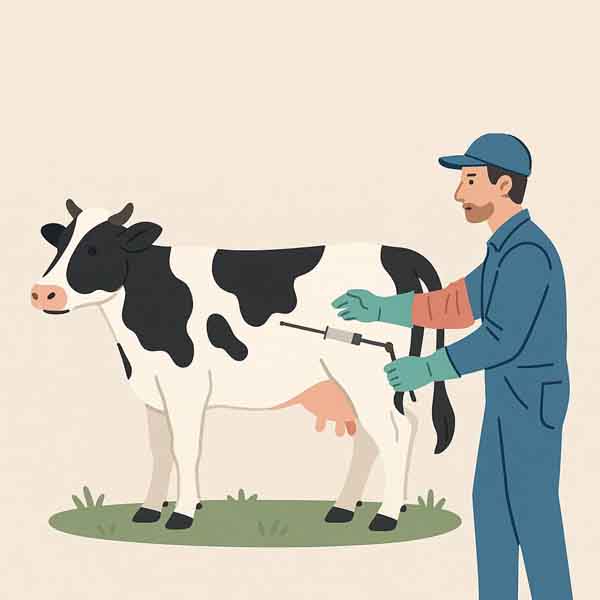
Best Insemination Timing
To maximize conception rates, observe heat signs closely, such as mounting behavior, restlessness, and clear mucus discharge.
- The best time to inseminate is toward the end of visible estrus or early in the heat period.
- Record Heat Events:
Note exact dates and times of observed heat for better planning. - Monitor After Insemination:
Begin heat checks about 18 days after insemination to detect repeat estrus.
When Cows Don’t Show Heat
Some cows may not show heat within expected timeframes. In such cases:
- Conduct reproductive exams or tests within 60 days after calving.
- Use blood tests or veterinary assessments to confirm if the cow is cycling normally.
Practical Tips for Daily Management
- Keep written records of calving, heat signs, and insemination dates
- Monitor body condition scores regularly
- Provide consistent feed quality and avoid sudden diet changes
- Consult a veterinarian promptly if fertility issues arise
Key Takeaways for Successful Annual Calving
Achieving reliable annual calving requires:
- Effective postpartum care
- Balanced nutrition and supplement support
- Accurate detection of heat and timely insemination
- Routine health monitoring and reproductive checks
By following these steps and maintaining consistent herd records, dairy farmers can optimize cow fertility cycles and improve farm productivity and profitability.