Home » Complete Guide to Home Soybean Farming – Cultivation, Benefits, and Best Practices

Complete Guide to Home Soybean Farming – Cultivation, Benefits, and Best Practices

by Ava Amelia
5 minutes read
Soybean (Glycine max) is a protein-rich legume that can be a valuable addition to home gardens and small farms. Often referred to as the “poor person’s beef” due to its high protein content comparable to animal sources like milk and eggs, soybeans also enrich soil nitrogen levels through biological fixation. With the right conditions and care, soybeans can thrive even in warm, humid regions.

Soybeans? | Key Benefits

✅ Nutritional and Agricultural Value

  • High Protein Content – Soybeans contain around 40% protein, making them an excellent plant-based protein source.
  • Rich in Oils and Nutrients – More than 20% of soybean seed composition is oil, along with essential amino acids, minerals, and vitamins.
  • Soil Enrichment – As a legume, soybeans help increase soil nitrogen, improving fertility for subsequent crops.

✅ Versatile Uses
Soybeans are used in food products, animal feed, and industrial applications including adhesives, paints, and varnishes.

Soybean sowing in a prepared field

Choosing the Right Location and Climate

✅ Ideal Conditions

Site Selection Tips

  • Choose a site with good organic matter and drainage.
  • In regions with heavy rainfall, prepare beds or raised rows to avoid root rot.

✅ Preparing the Soil

  • Incorporate organic matter or well-rotted compost to improve soil structure and fertility.
  • Lightly till the soil to a fine tilth to help seed contact and root establishment.

✅ Sowing Guidelines

  • Sow seeds during warm, frost-free periods; avoid heavy rains at planting to reduce rot risk.
  • Plant seeds at a shallow depth (around 2–5 cm).
  • Maintain spacing of approximately 20 × 20 cm between plants to allow room for growth and airflow.

Fertilization and Nutrient Management

✅ Basal Fertilizer Mix

Combine organic and mineral fertilizers before planting:

  • Organic Compost or Farmyard Manure – enriches soil microbiome.
  • Mineral Fertilizers – recommended basal amounts:
    • Nitrogen (Urea) – moderate quantity
    • Phosphorus – for root and pod development
    • Potassium – for overall vigor (Adapt amounts to your soil test results.)

Cultivation Practices

Weed and Pest Control

  • Weeds compete for nutrients and water; manage them early.
  • Soybeans generally face low pest pressure, but monitor for common insects and diseases.

Irrigation

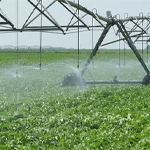
  • Provide consistent moisture after sowing, especially during flowering and pod set.
  • Avoid overwatering, which can cause root rot and fungal issues.

Weed and Pest Control

  • Weeds compete for nutrients and water; manage them early.
  • Soybeans generally face low pest pressure, but monitor for common insects and diseases.

Irrigation

  • Provide consistent moisture after sowing, especially during flowering and pod set.
  • Avoid overwatering, which can cause root rot and fungal issues.

Harvesting and Seed Handling

Determining Maturity

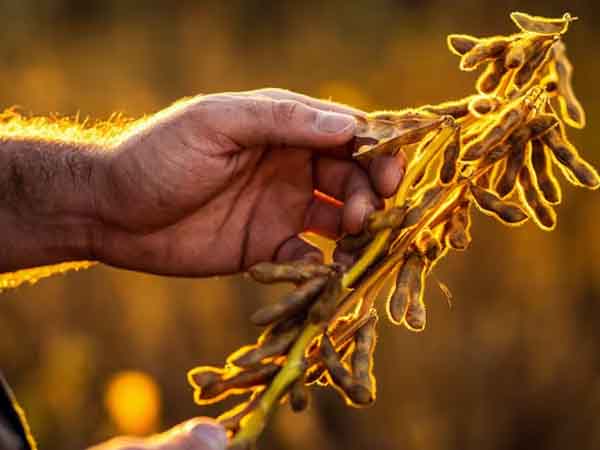
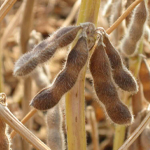
  • Soybean plants typically mature in 3–4 months from sowing, depending on variety.
  • Harvest when pods dry and seeds reach adequate moisture levels.

Post-Harvest Seed Care

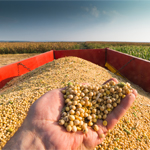
  • Dry seeds thoroughly to prevent storage losses.
  • Store seeds in a cool, dry place; properly dried seeds can be viable for subsequent seasons.

Determining Maturity

  • Soybean plants typically mature in 3–4 months from sowing, depending on variety.
  • Harvest when pods dry and seeds reach adequate moisture levels.

Post-Harvest Seed Care

  • Dry seeds thoroughly to prevent storage losses.
  • Store seeds in a cool, dry place; properly dried seeds can be viable for subsequent seasons.

Home soybean farming offers a rewarding opportunity to grow a nutrient-dense crop that supports both soil health and human nutrition. With attention to proper site selection, soil preparation, timely sowing, and consistent care, gardeners can achieve healthy yields. Soybeans’ versatility and relative ease of cultivation make them suitable for both new and experienced growers seeking sustainable and high-protein plant production.

FAQ

What is the best time to sow soybeans at home?
The best time to sow soybeans is during warm, frost-free months with minimal heavy rain, ensuring soil has good moisture but not waterlogging.
Plant soybean seeds at a shallow depth of around 2–5 cm to ensure good germination and early growth.
Well-drained, fertile soils with moderate organic matter content support the best growth and yield.
Yes, soybeans enrich soil nitrogen through biological fixation, benefiting future crops.
Soybeans generally take about 3–4 months from sowing to reach maturity.
Soybeans need consistent moisture during germination and flowering but are sensitive to waterlogging; avoid excessive watering.
Yes, soybeans can be grown in home gardens with proper spacing, sunlight, and care.
Soybeans are used as high-protein food, animal feed, and in industrial products like oil and paints.
Soybeans are relatively easy to grow with basic knowledge of soil, spacing, and watering.
Dry seeds thoroughly and store in a cool, dry place to maintain viability for future planting.

You may also like