Investing in agriculture without proper planning can lead to heavy losses. Unlike other industries, farmers often have limited control over pricing and must depend on market fluctuations. That’s why strategic planning, cost management, and market awareness are crucial before putting money into farming.
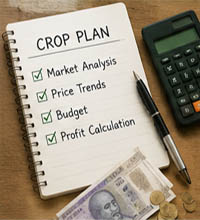
Before starting cultivation, understand the market behavior of your crop.
- Study past market trends and seasonal price fluctuations
- Identify average and lowest price points
- Prepare a budget that remains profitable even at minimum price
- Plan crop cycles to ensure monthly income flow
- Follow agricultural publications for regular market updates
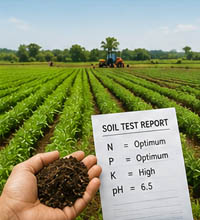
A well-planned farm reduces risks and increases productivity.
- Analyze soil fertility and structure
- Check sunlight and irrigation availability
- Study labor and transportation access
- Conduct soil testing before planting
- Apply fertilizers based on soil report
- Always ensure sufficient water availability before beginning cultivation
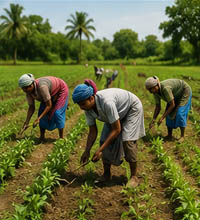
Labor is one of the biggest expenses in farming.
- Discuss with experienced farmers in your region
- Estimate maximum possible labor expenses
- Include labor cost in profit-loss calculation
- Utilize family labor to reduce expenses

Access to funds is critical for sustainable farming.
- Maintain a relationship with cooperative and commercial banks
- Use Kisan Credit Loans for working capital
- Apply for long-term loans to build assets
- Explore Agriculture Infrastructure Fund (AIF) projects

Mechanization reduces labor dependency and increases efficiency.
- Purchase machinery under SMAM
- Rent equipment if ownership is not feasible
- Use Agro Service Centres
- Utilize Karshika Karmasena support
- Access Krishishree Centres

Many farmers miss out on valuable subsidies and financial support opportunities.
- Check eligibility for central and state schemes
- Apply for crop-specific subsidies
- Stay updated through agriculture department notifications

Farming involves risks like climate change, pests, and market crashes.
- Protects against unexpected losses
- Provides financial stability
- Encourages long-term farming sustainability

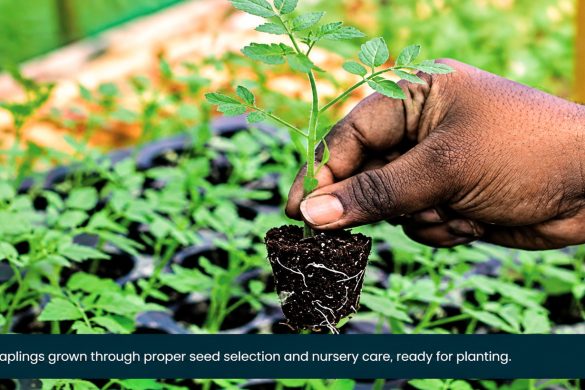
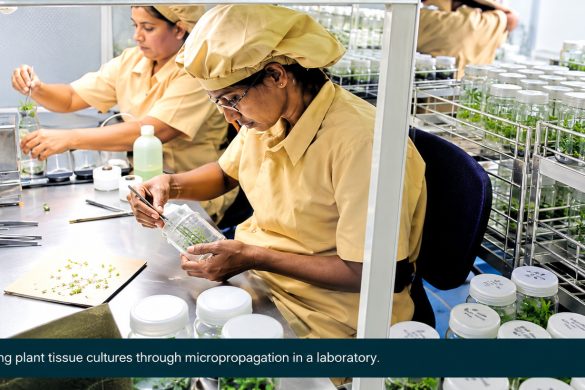
Quality inputs directly impact yield and profitability.
- Source certified seeds and seedlings
- Verify supplier credibility
- Avoid low-quality planting materials

Digital platforms can boost your farming success and learning opportunities.
- Learn from experts and progressive farmers
- Stay updated with trends and techniques
- Find buyers and market opportunities
- Always verify information before implementation
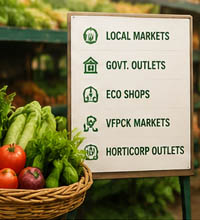
Selling smartly is as important as growing efficiently.
- Identify profitable local and regional markets
- Ensure timely sales to maintain freshness
- Build direct relationships with buyers
- Use Eco shops, VFPCK markets, and Horticorp outlets
📌 Pro Tip for Farmers:
Always plan your farming in such a way that even in the worst market conditions, you don’t incur losses. Profit should be a bonus, but survival should be guaranteed.