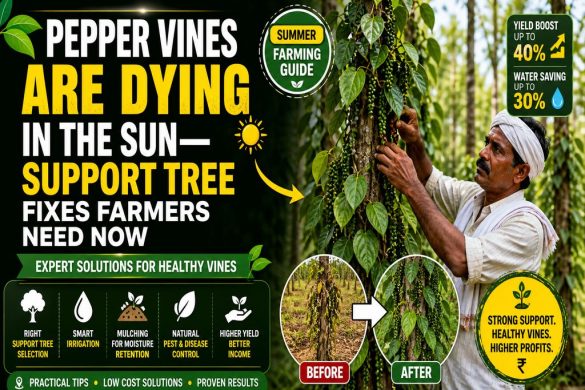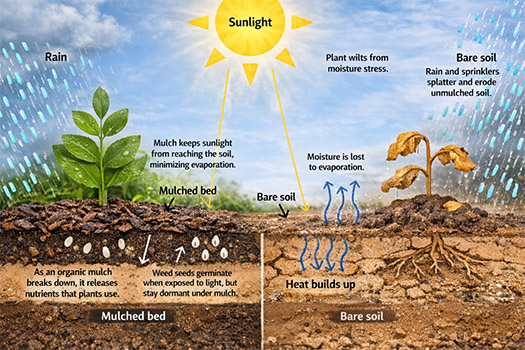
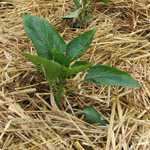
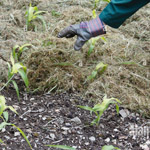
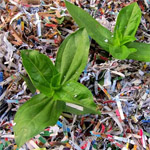
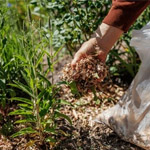
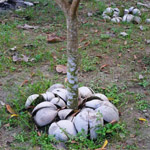
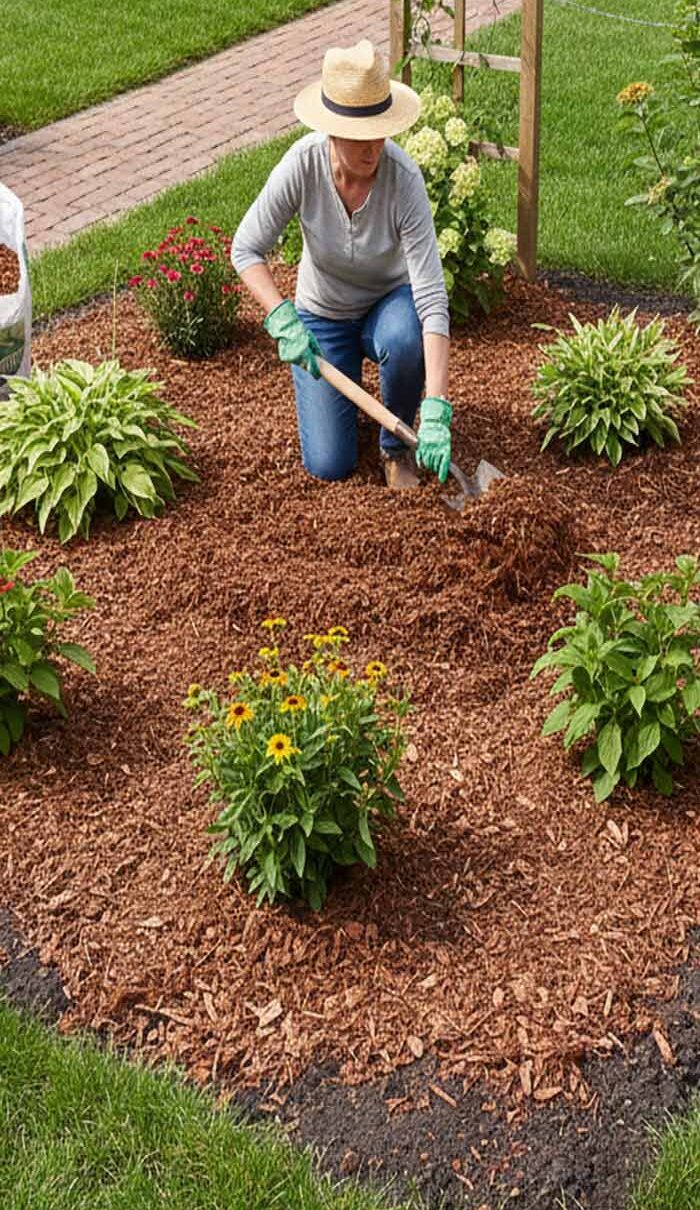
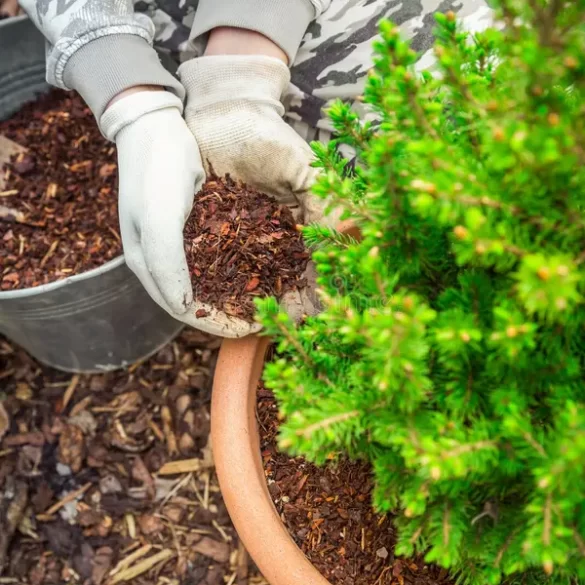
Mulching is one of the most impactful yet often underestimated practices for keeping garden soil healthy, moisture-rich, and vibrant. Essentially, a mulch is a 2-4 inch layer of protective cover laid over soil – like straw, bark chips, grass clippings, shredded leaves, newspaper, cocoa shells, and more – that delivers a host of benefits for both ornamental and edible plants.
Mulching protects soil from harsh weather, suppresses weeds, and improves overall soil health. As organic mulch breaks down, it also enriches the soil naturally.
Key Benefits Of Mulching Your Garden
Mulching does far more than just improve soil quality. When done correctly, it positively impacts plant health, water usage, pest control, soil structure, and even garden aesthetics.
🌱 Improves Soil Resistance To Pests & Diseases
🌿 Slow & Steady Nutrient Release
💧 Retains Soil Moisture & Reduces Water Usage
☀️ Protects Young Seedlings From Harsh Sun
🌡️ Regulates Soil Temperature
🌾 Effective Weed Suppression
🪱 Boosts Soil Biological Activity
🌍 Improves Soil Structure (Sandy & Clay Soils)
♻️ Encourages Recycling Of Organic Waste
🌧️ Prevents Soil Erosion & Compaction
🌼 Enhances Garden Appearance
Types Of Mulch Used In Home Gardening
Choosing the right mulch depends on your garden style, plant types, and climate:
🍃 Organic Mulches (Break Down Naturally)

Hay & Straw
Long-lasting and great for vegetable beds.

Grass Clippings
Excellent moisture retention but use in small amounts.

Newspaper
Eco-friendly option that helps suppress weeds.

Shredded Leaves
Easy to find and improves soil structure.

Cocoa Shells
Attractive and aromatic (best for ornamental areas).
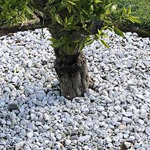
🌳 Inorganic Mulches (Long-Lasting Decorative)

Stones, gravel, rubber, and landscape fabric
Useful where decomposition isn’t needed (though this guide focuses on organic mulches).

Stones, gravel, rubber, and landscape fabric
Useful where decomposition isn’t needed (though this guide focuses on organic mulches).
Best Mulch For Different Types Of Plants
Vegetable Gardens
Straw, dry leaves, grass clippings
Fruit Trees
Dry leaves, aged wood chips
Flower Beds
Coco husk, shredded bark
Potted Plants
Coco peat, light leaf mulch
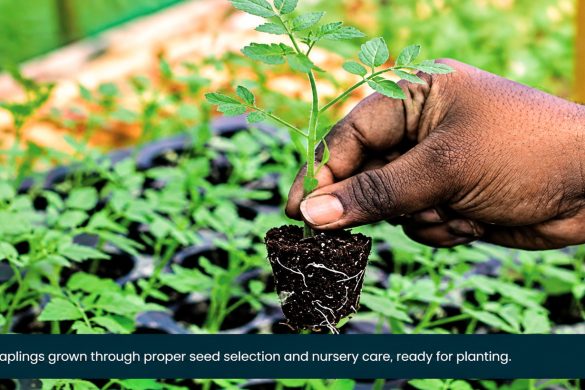
Newly Planted Saplings
Thin layer of organic mulch
Seasonal Mulching Guide (Indian Climate)
☀️ Summer – Retains moisture, protects roots from heat
🌧️ Monsoon – Prevents soil erosion and nutrient loss
❄️ Winter (Mild Indian winters) – Protects soil microbes and roots
🛠️ Step-by-Step Guide: How to Mulch Your Garden
Follow these simple steps to mulch effectively:
1. Prepare the Soil
Remove existing weeds so mulch doesn’t trap them underneath.
2. Choose the Right Material
Decide based on plant needs (e.g., fine mulch for flower beds, chunky mulch for shrubs).
3. Apply Correct Thickness
Typical mulch layer:
- 2–3 inches for most areas
- 4–6 inches for heavy weed control or bare soil
4. Keep Mulch Away from Plant Crowns
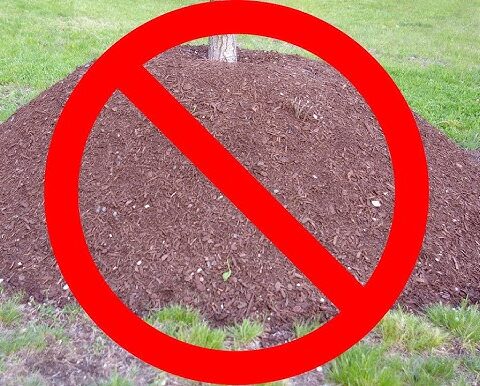
Avoid piling mulch against stems or trunks – this can cause rot.
5. Maintain Over Time
Refresh mulch once it decomposes or thins out, usually annually.
mulching for potted plants
Since many home gardeners grow plants in pots and have a common doubt
Can You Mulch Potted Plants?
- Yes, but use lighter mulch (coco chips, dry leaves)
- Keep mulch thin (1–2 inches)
- Ensure proper drainage
Common Mulching Mistakes To Avoid
- Mulching too close to plant stems (causes rot)
- Applying mulch on dry soil
- Using very thick layers for small plants
- Using fresh wood chips directly (it absorbs nitrogen from soil)
- Never refreshing old mulch
Organic vs Plastic Mulch
Many users confuse plastic mulch sheets with organic mulch.

Organic Mulch
- Improves Soil Health
- Eco-Friendly
- Supports Microbes

Plastic Mulch
- No Soil Enrichment
- Less Eco-Friendly
- Blocks Soil Activity

❓ Mulching FAQs
🐜 What about bugs around mulch?
🪵 Can I use freshly cut wood as mulch?
Fresh wood chips can draw nitrogen from the soil. Let them dry or cure before use.
🌸 How deep should mulch be for flower beds?
About 3 inches of mulch works well for most flowering plants.