Orchids and Anthuriums are two of the most rewarding flowering plants you can grow — but they are also surprisingly sensitive to a few key care mistakes. Getting the water quality right, managing sunlight exposure, and applying the correct fertilizer at the right time can make the difference between thriving plants and total crop loss. This guide walks you through exactly what to do this month to keep both plants healthy and blooming.
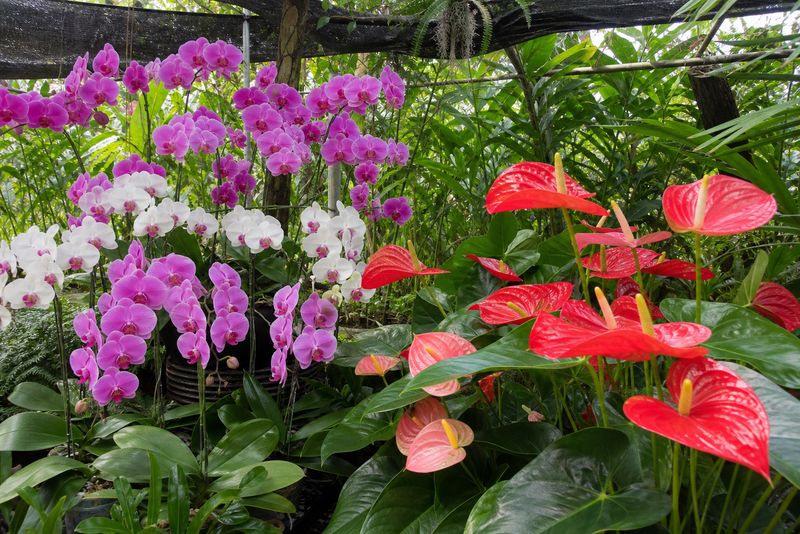
When watering both Orchids and Anthuriums, ensure that the water used does not contain chlorine. Chlorine is deadly to both of these plants. If chlorinated water is used, the plants will be completely destroyed.
⚠️ Warning: Chlorinated tap water can completely destroy your Orchid and Anthurium plants. Always use chlorine-free water — such as collected rainwater or water left to sit overnight to allow chlorine to dissipate.
If there is southern sun exposure in your growing area, it is essential to provide the necessary shade to reduce the intensity of the sunlight until three o’clock. Both Orchids and Anthuriums are sensitive to harsh, direct afternoon sun, and adequate shading during peak hours helps prevent heat stress and leaf burn.
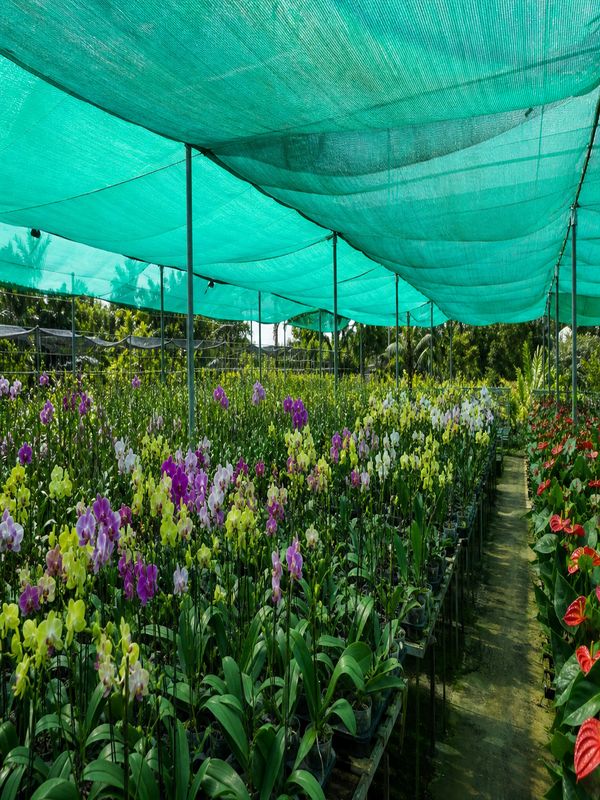
💡 Tip: Use shade cloth or a temporary overhead net on the southern side of your growing area to filter out harsh afternoon sunlight. Remove or roll it back after 3:00 PM to allow the plants to benefit from softer evening light.
This month, in addition to your usual fertilization routine, there is an important supplementary treatment to apply. Follow the steps below carefully:
- ✔ Dissolve 3 grams of Sulphate of Potash in 1 liter of water.
- ✔ Spray the solution evenly onto the plants.
- ✔ Continue your regular fertilization schedule alongside this treatment — do not replace it.
📋 Monthly Fertilizer Summary: 3g Sulphate of Potash dissolved in 1 litre of water — applied as a foliar spray in addition to the usual fertilization program.
Use chlorine-free water for all watering
Provide shade from southern sun until 3:00 PM
Continue your regular fertilization schedule
Dissolve 3g Sulphate of Potash in 1L water
Spray the Sulphate of Potash solution on plants
Monitor plants for stress signs after each treatment
Why is chlorine harmful to Orchids and Anthuriums?
Chlorine is toxic to the sensitive root systems of both Orchids and Anthuriums. Even small concentrations found in standard tap water can damage or completely destroy these plants over time. To avoid this, always use rainwater, filtered water, or tap water that has been left uncovered overnight so the chlorine can naturally evaporate before use.
What type of water is safe for watering Orchids and Anthuriums?
The safest options are collected rainwater or filtered water that is free from chlorine and heavy chemicals. If you only have access to tap water, leave it in an open container for at least 24 hours before watering. This allows chlorine to dissipate naturally, making it safer for these sensitive flowering plants.
How much shade do Orchids and Anthuriums need from southern sun?
Both Orchids and Anthuriums need shade in areas exposed to southern sun to reduce light intensity during the hottest part of the day. Shade should be provided until at least three o’clock in the afternoon. After 3:00 PM, the intensity naturally decreases and the plants can tolerate the remaining daylight without protection.
What is Sulphate of Potash and why is it used on Orchids and Anthuriums?
Sulphate of Potash is a potassium-based fertilizer that supports flowering, strengthens plant cell walls, and improves overall plant health. When dissolved in water and sprayed on Orchids and Anthuriums, it provides a concentrated potassium boost that complements regular fertilization routines, especially during active growing and blooming periods.
How do I prepare the Sulphate of Potash spray for Orchids and Anthuriums?
Dissolve 3 grams of Sulphate of Potash in 1 liter of water. Mix thoroughly until fully dissolved, then spray the solution evenly over your Orchid and Anthurium plants. This treatment should be applied this month in addition to your usual fertilization schedule — it is a supplement, not a replacement for your regular feeding routine.
Can I use the Sulphate of Potash spray instead of my regular fertilizer?
No. The Sulphate of Potash spray is a supplementary treatment and should be applied alongside your regular fertilization routine, not as a substitute. Both are needed this month — your standard fertilizer provides a balanced nutrient profile, while the Sulphate of Potash specifically boosts potassium levels to support flowering and plant vigor.
How often should I water Orchids and Anthuriums?
Watering frequency depends on your climate and growing conditions, but the key rule for both plants is to always use chlorine-free water. Orchids generally prefer to dry out slightly between waterings, while Anthuriums like consistently moist but well-drained conditions. Adjust your schedule based on the season, pot size, and how quickly the growing medium dries out.