Home » Winged Bean: The Meat Plant That Grows for 3 Years With Almost Zero Effort

Winged Bean: The Meat Plant That Grows for 3 Years With Almost Zero Effort

by Sama Sadhik
4 minutes read

✍️ By A.V. Narayanan | 📞 9745770221

Winged bean (Psophocarpus tetragonolobus), also known as ‘Ippoppayar’, is a type of pulse that grows luxuriantly in the countryside but has not gained much popularity. The pods are rectangular in shape — the middle part is thick and fleshy, with wing-like protrusions around it.

It can be made edible as a stir-fry or ‘upperi’ and is well suited for home cultivation in grow bags, sacks, and pots. Packed with protein, iron, calcium, phosphorus, and potassium, it truly earns its title as the meat plant.
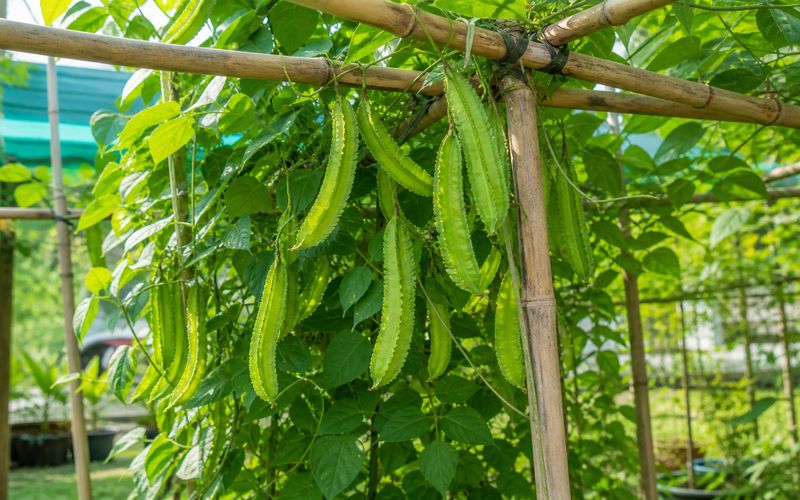
Winged bean plant with pods growing on a trellis in a home garden

💪 Why Winged Bean Is Called the Meat Plant

Winged bean is a nutritional powerhouse. Its pods are a storehouse of essential nutrients that rival animal-based protein sources — hence the name meat plant.

🥩
Protein
High amounts

🔴
Iron
Rich source

🦴
Calcium
Bone health

Phosphorus
Energy support

💧
Potassium
Heart health


🌱 How to Cultivate Winged Bean Step by Step

1

Prepare the growing container: Dig a pit in the soil or use a sack, and fill it with dry leaves at the base.

2

Prepare the growing mix: Apply a mixture of powdered cow dung, chicken or goat manure mixed with sand.

3

Sow the seeds: Seeds will sprout within 5 days. Water on alternate days.

4

Provide support by the 20th day: Make a trellis with support sticks — the vine will spread over it.

5

Trim the vine tips: Trimming the end part of the vine will result in abundant growth and a better yield.
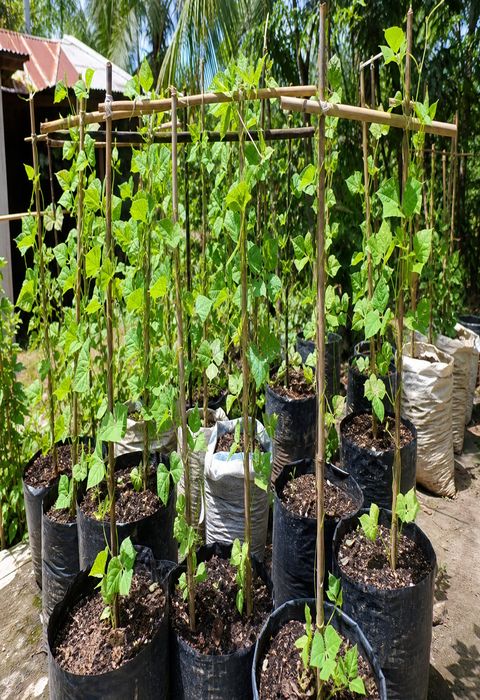
Winged bean cultivation in grow bags and sacks showing trellis support and vine growth

📅 Planting Season, Feeding & Yield Tips

Timing and feeding make a big difference in how well winged bean produces. Here’s what you need to know:

  • If planted in August, it will bear fruit by October.
  • In the initial stage, apply a fermented mixture of groundnut cake in liquid form, rice water, and ash to get more pods.
  • You can harvest from one plant for up to 3 years.
  • By pruning the stems, you can harvest from it every year.

💡 Tip: Trimming the end part of the vine encourages more branching and results in a significantly better pod yield.


🍳 Culinary Uses of Winged Bean

Both the pods and leaves of winged bean are edible and used in traditional Kerala cooking:

🥘
Mezhukkupuratti
Stir-fry with oil

🍳
Varavu
Deep fry

🥗
Upperi
Dry stir-fry

🌿
Thoran (Leaves)
Dry dish with coconut


🐛 Pest Management for Winged Bean

Winged bean is less prone to diseases and pests, making it an excellent choice for low-maintenance home gardening.

⚠️ Watch out: Leaf-eating caterpillars may occasionally appear. Simply spray a neem oil mixture to control them effectively — no chemical pesticides required.



❓ FAQ

What is winged bean and why is it called the meat plant?

Winged bean (Psophocarpus tetragonolobus), also called Ippoppayar, is a tropical pulse with rectangular, wing-edged pods. It is called the meat plant because it contains high amounts of protein, iron, calcium, phosphorus, and potassium — nutrients comparable to those found in animal proteins.

Can winged bean be grown in pots or grow bags at home?

Yes, winged bean is very well suited for container gardening. It can be cultivated in grow bags, sacks, and pots. Fill the container with dry leaves at the base, then add a mix of powdered manure and sand. Sow seeds and water on alternate days. Provide a trellis by the 20th day.

When is the best time to plant winged bean?

If planted in August, winged bean will begin bearing fruit by October. This two-month window makes it a fast-yielding crop suitable for seasonal home gardening in tropical climates.

How long can you harvest from a single winged bean plant?

You can harvest from a single winged bean plant for up to 3 years. By regularly pruning the stems, the plant continues to produce pods every year, making it an excellent long-term addition to any kitchen garden.

What organic fertilizer should I use for winged bean?

In the initial growing stage, apply a fermented mixture of groundnut cake in liquid form, rice water, and ash. This natural feeding combination promotes more pod formation and vigorous vine growth without the need for chemical fertilizers.

How do you control pests on winged bean plants?

Winged bean is naturally resistant to most pests and diseases. The main concern is leaf-eating caterpillars, which can be effectively controlled by spraying a neem oil mixture. No chemical pesticides are needed, making it a truly organic-friendly crop.

What are the culinary uses of winged bean pods and leaves?

The pods are excellent for Kerala-style dishes such as mezhukkupuratti (stir-fry with oil), varavu (deep fry), and upperi (dry stir-fry). The leaves can be made into thoran — a traditional dry dish prepared with grated coconut — making the entire plant edible and versatile in the kitchen.

You may also like