Swiss chard is a nutrient-rich leafy green from the beet family, valued for its edible leaves and colorful stems, easy garden or pot cultivation, repeated harvesting, and vitamins A, B, C, K, fiber, calcium, magnesium, iron, and antioxidants.
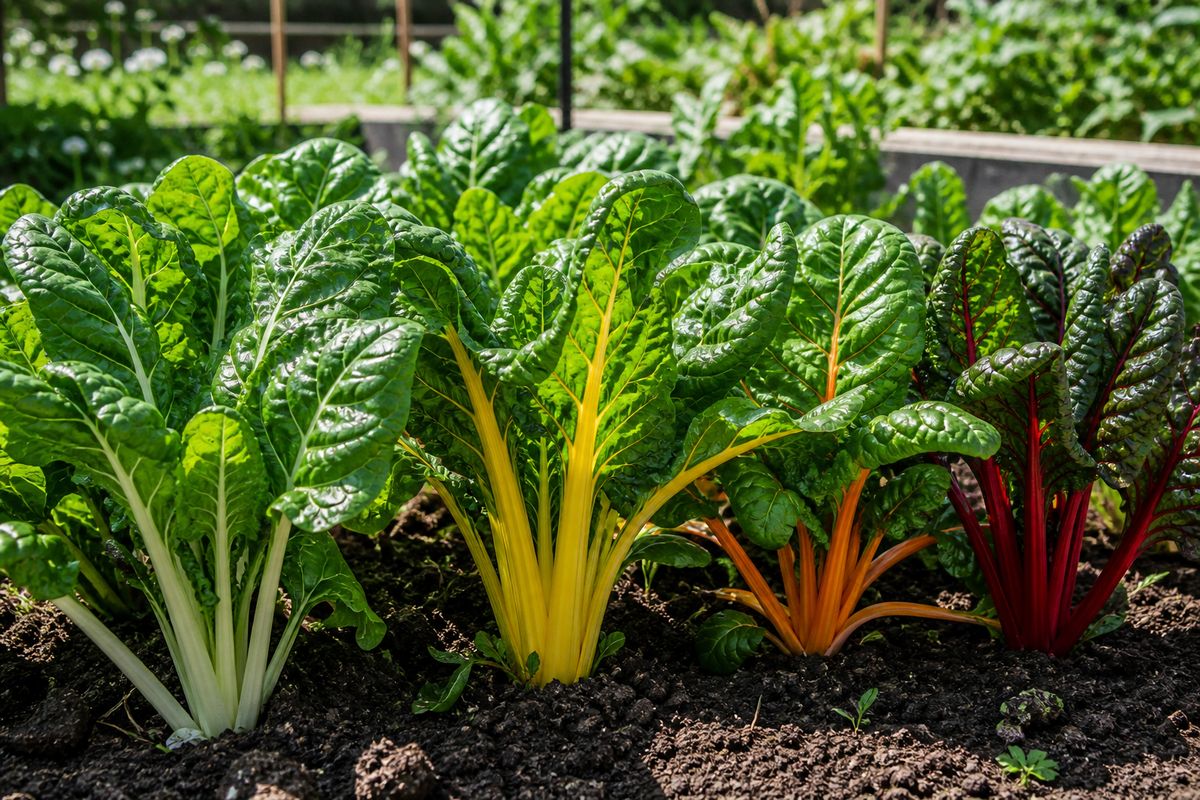
Beef Swiss chard is a leafy green variety from the beet family. The leaves and stems are edible. Plants with white, yellow, orange, and red colored stems are found. The distinctly colored stems and green leaves make Swiss chard attractive. The roots are not edible.
Swiss chard is a leafy green variety from the beet family; leaves and stems are edible.
An open space that receives good sunlight is suitable, but it will also grow in partial shade.
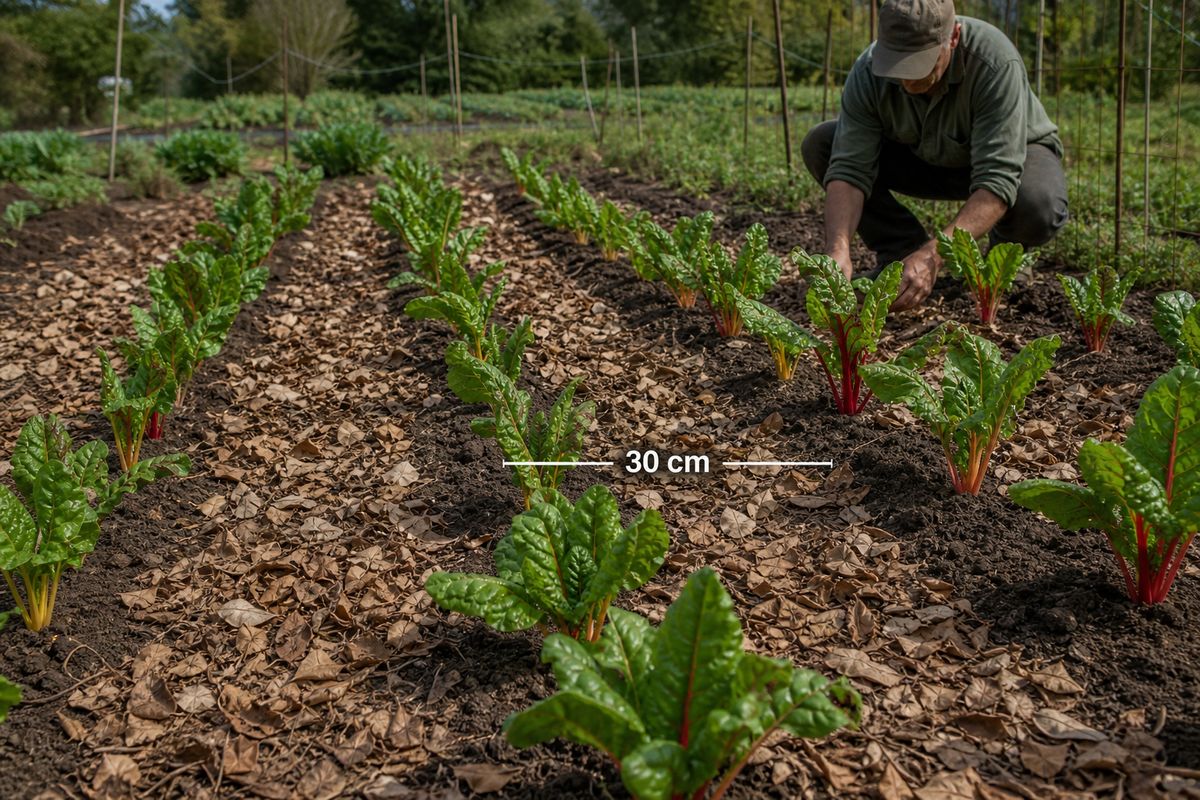
Seeds can be sown 10 cm apart; seedlings are transplanted at 30 cm, with 40 cm between rows.
Harvesting can begin when they are 45-55 days old, when leaves are approximately 15 cm long.
Plants with white, yellow, orange, and red colored stems are found. The distinctly colored stems and green leaves make Swiss chard attractive.
Grown with prominence in the gardens of Pune, Swiss chard is a crop with many medicinal and nutritional benefits.
An open space that receives good sunlight is suitable. However, it will also grow in partial shade.
It prefers alluvial, well-drained, moist soil.
Waterlogging is not good.
Mulching can be done with dry leaves to control weeds and retain moisture.
Prepare the ground by tilling it well.
Prepare it by adding compost, cow dung powder, and vermicompost.
After watering well, mix 20 grams of Pseudomonas in one liter of water and spray it.
Seeds can be sown 10 cm apart. Water lightly.
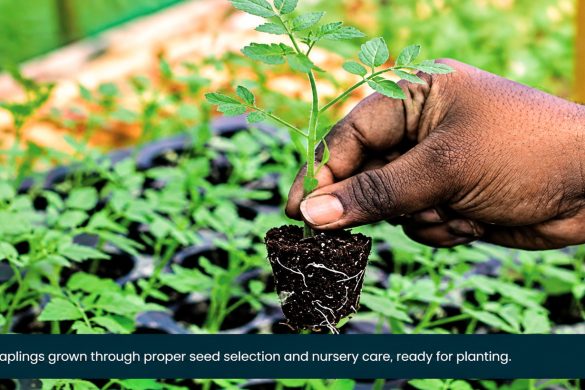
Within 10-12 days, sprouts will appear and seedlings will be ready. Transplant the small seedlings from the nursery beds at a distance of 30 cm.
A distance of 40 cm should be maintained between the rows.
They can also be grown in pots. They will grow well.
| Growing Method | What To Use | Best Notes |
|---|---|---|
| Garden bed | Alluvial, well-drained, moist soil with compost, cow dung powder, and vermicompost | Open sunny space is suitable; partial shade is also acceptable. |
| Pot cultivation | One part each of cow dung prepared in other mixtures, vermicompost, coir pith, and bone meal compost | They can also be grown in pots. They will grow well. |
Harvesting can begin when they are 45-55 days old.
Harvest when the leaves are approximately 15 cm long.
Cut the lowermost leaves of the plant one by one in order.
Leaves can be harvested once every 10 days.
A light application of fertilizer can be given during harvesting. After picking the outer leaves, the inner cluster will grow well. Harvesting can continue even when the plants are 2 years old.
It contains vitamins A, B, C, K, fiber, calcium, magnesium, iron, and antioxidants.
Protects teeth and bones.
Protects hair.
Protects eyes and skin.
Helps to reduce diabetes and blood pressure.
Since the oxalate content is high, kidney patients should not consume it.
Because the vitamin K content is high, those taking blood-thinning medication should seek a doctor’s advice. Only then should they consume it.
What is Swiss chard and which parts are edible?
Swiss chard is a leafy green variety from the beet family. The leaves and stems are edible, while the roots are not edible. It is especially attractive because plants can have white, yellow, orange, and red colored stems along with green leaves.
Can Swiss chard grow in partial shade?
Yes. An open space that receives good sunlight is suitable for Swiss chard, but it will also grow in partial shade. For best results, choose alluvial, well-drained, moist soil and avoid waterlogging, because waterlogging is not good for the crop.
How far apart should Swiss chard seeds and seedlings be planted?
Seeds can be sown 10 cm apart and watered lightly. Within 10-12 days, sprouts will appear and seedlings will be ready. The small seedlings from the nursery beds should be transplanted at a distance of 30 cm, with 40 cm maintained between rows.
Can Swiss chard be grown in pots at home?
Yes, Swiss chard can also be grown in pots and will grow well. Fill the pot by taking one part each of cow dung prepared in other mixtures, vermicompost, coir pith, and bone meal compost, then mix them well before planting.
When can Swiss chard leaves be harvested?
Harvesting can begin when Swiss chard plants are 45-55 days old, when the leaves are approximately 15 cm long. Cut the lowermost leaves one by one in order. After picking the outer leaves, the inner cluster will grow well.
How often can Swiss chard be harvested?
Leaves can be harvested once every 10 days. A light application of fertilizer can be given during harvesting. With proper care, harvesting can continue even when the plants are 2 years old, making Swiss chard useful for repeated leaf harvests.
What nutrients and health benefits does Swiss chard have?
Swiss chard contains vitamins A, B, C, K, fiber, calcium, magnesium, iron, and antioxidants. Its benefits include protecting teeth, bones, hair, eyes, and skin. It also helps to reduce diabetes and blood pressure, according to the article.
Who should avoid eating Swiss chard?
Kidney patients should not consume Swiss chard because the oxalate content is high. Also, because vitamin K content is high, those taking blood-thinning medication should seek a doctor’s advice. Only then should they consume it.
Swiss chard is a nutrient-rich leafy green vegetable with edible leaves and stems, attractive colored stalks, and strong garden value. It grows in good sunlight or partial shade, prefers well-drained moist soil, can be cultivated in pots, and allows repeated harvesting once every 10 days.
With vitamins A, B, C, K, fiber, calcium, magnesium, iron, and antioxidants, Swiss chard offers many medicinal and nutritional benefits. However, kidney patients and those taking blood-thinning medication should follow the health cautions before consuming it.