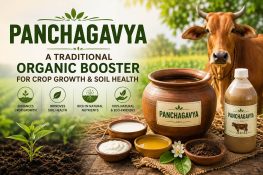
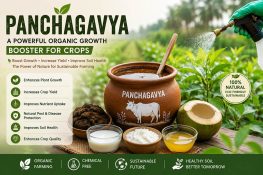
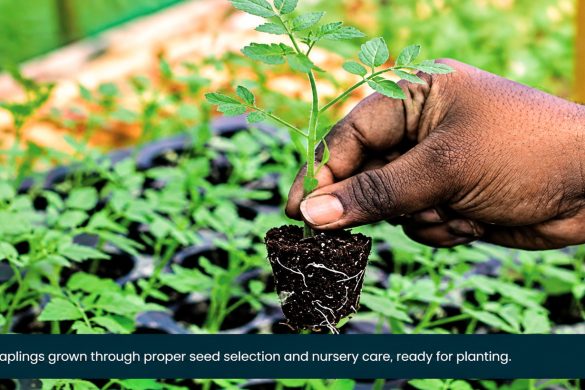
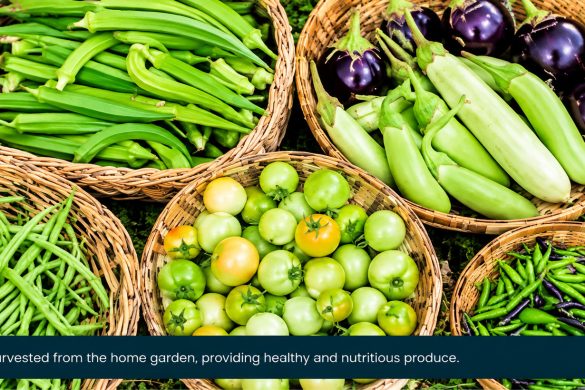
Panchagavya, a natural mix of cow products, significantly improves plant growth, yield, quality, and soil health—offering a sustainable alternative to chemical fertilizers.
📌 What is Panchagavya?
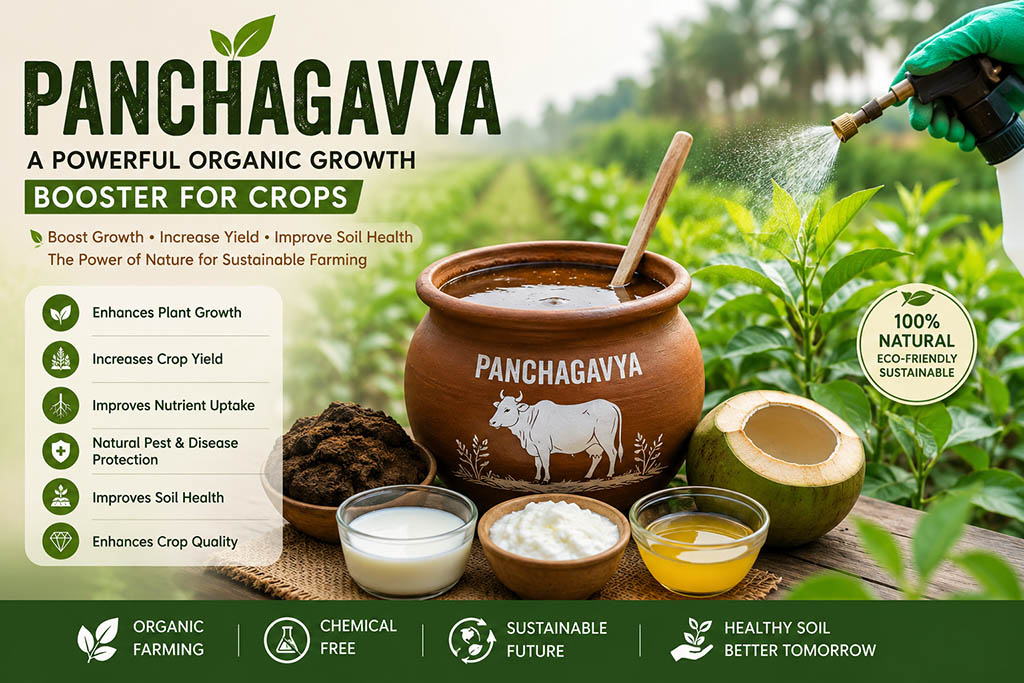
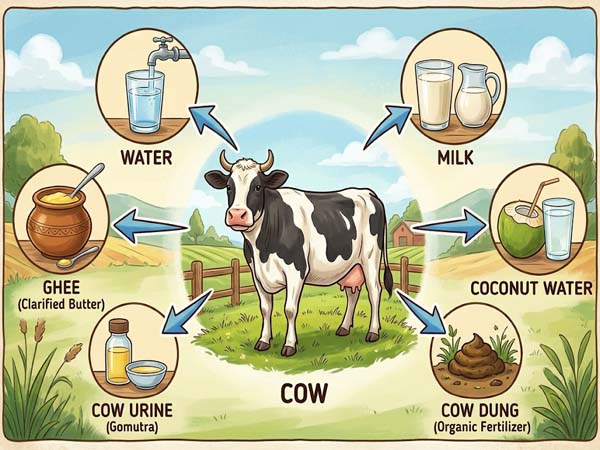
Panchagavya is a traditional organic formulation made from:
- Cow dung
- Cow urine
- Milk
- Curd
- Ghee
- Coconut water
It is rich in nutrients, beneficial microorganisms, and natural growth promoters like auxins and gibberellins.
How Panchagavya Helps Crops
Provides Natural Nutrients – Contains N, P, K, S, Zn, Fe, and micronutrients.
Boosts Growth – Stimulates root development, leaf production, and plant vigor.
Fights Pests & Diseases – Has natural antimicrobial and insect-repelling properties.
Improves Soil Health – Adds organic matter and good microbes to the soil.
Helps in Stress – Makes plants more tolerant to drought, salinity, and temperature changes.
Enhances Quality – Improves taste, shelf life, color, and nutritional value of produce.
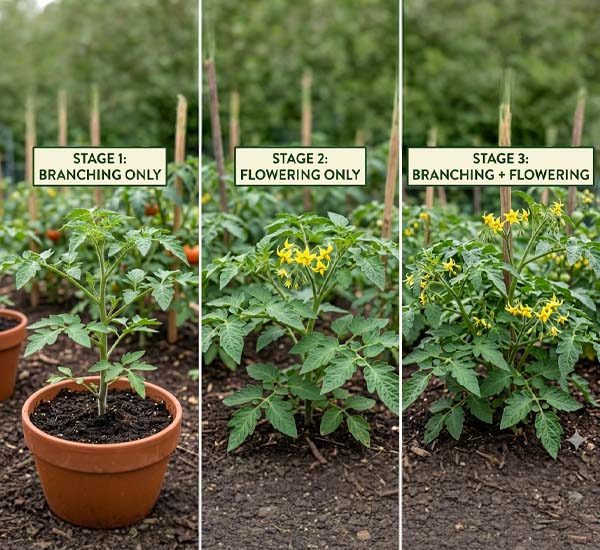
Best Time to Apply Panchagavya
| Growth Stage | Effect |
|---|---|
| Branching only | Good, but less effective |
| Flowering only | Moderate improvement |
| Branching + Flowering | Best results – higher yield, more pods, better nutrient uptake |
Applying Panchagavya at both branching and flowering stages significantly increased seed yield, straw yield, and protein content in blackgram and groundnut.
| Crop | Best Concentration | Effect |
|---|---|---|
| Tomato, Blackgram, Soybean | 3% | Higher growth, yield, protein & oil content |
| Blackgram | 4% | Max seed yield, nutrient uptake |
| Capsicum | 6% | Highest fruit yield & soil microbes |
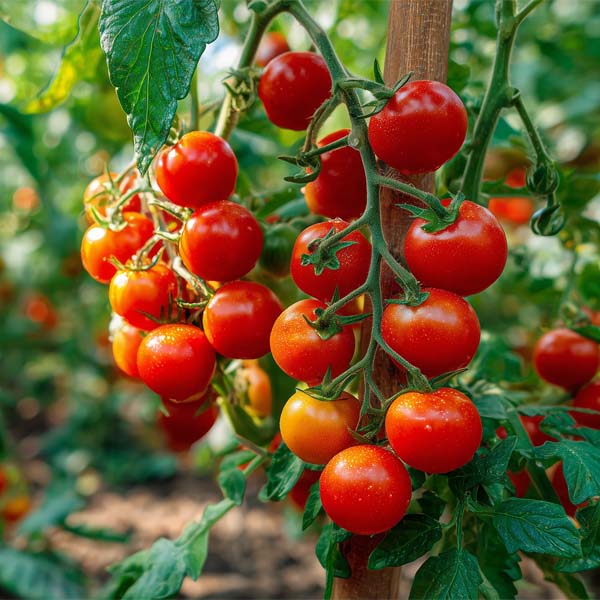
Effect on Vegetative Growth (Plant Size & Health)
In Tomato (3% Panchagavya):
- Plant height: 118–131 cm
- Stem girth: 2.56–3.25 cm
- Number of leaves: 80–104 per plant
In Blackgram:
- Higher Leaf Area Index (LAI) → better photosynthesis
- More dry matter accumulation
🌿 Why? Panchagavya helps stomata stay open longer, improving nutrient and water use.
Nutrient Uptake & Content
Panchagavya 4% spray in blackgram increased:
- N, P, K, S, Zn, Fe content in seeds and straw
- Protein content in seeds
🔬 Reason: Balanced nutrient supply + natural growth regulators (auxins, GA) improve biomass and nutrient recovery.
Protein & Oil Content Boost
In Soybean (RDF + 3% Panchagavya):
- Oil content: 19.55% (significantly higher than control)
- Protein yield: 651 kg/ha
🧪 Possible reason: Presence of sulfur in organic sprays helps in fatty acid synthesis.
Yield Attributes & Final Yield
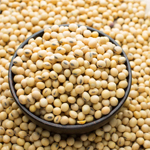
Soybean (3% Panchagavya):
- Pods per plant: 34–37
- Grain yield: 1591 kg/ha
- Straw yield: 2685 kg/ha
Blackgram (4% Panchagavya):
- Seed yield: 801 kg/ha
- Straw yield: 1735 kg/ha
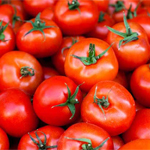
Tomato (3% Panchagavya):
- Fruit length: 5.6 cm
- Fruits per plant: 46
- Fruit yield per plant: 2.81 kg
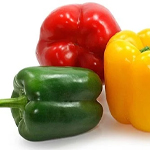
Capsicum (6% Panchagavya):
- Fruit yield increased progressively from 30 to 118 q/ha across growth stages.
Quality Parameters (Taste, Color, Nutrition)
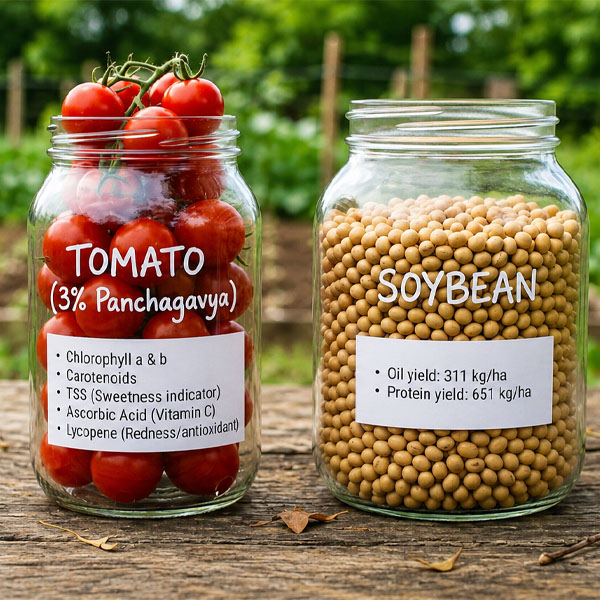
In Tomato (3% Panchagavya):
- Chlorophyll a & b – higher at 50 & 75 days
- Carotenoids – increased
- TSS (sweetness indicator) – 5.67%
- Ascorbic acid (Vitamin C) – 23.6 mg/100g (vs 17.4 in control)
- Lycopene (redness/antioxidant) – 9.10 mg/100g (vs 7.54 in control)
In Soybean:
- Oil yield: 311 kg/ha
- Protein yield: 651 kg/ha
🍅 Panchagavya significantly improves fruit color, sweetness, vitamin C, and antioxidant levels
Soil Health Benefits
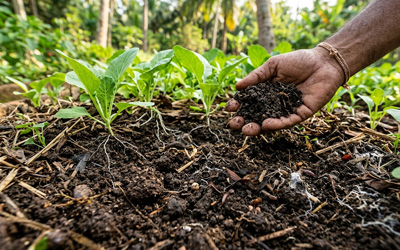
- Increases N-fixing bacteria (Azospirillum, Azotobacter)
- Boosts P-solubilizing microbes
- Improves soil structure, water retention, and microbial activity
🌍 Long-term benefit: Panchagavya is a sustainable alternative to chemical fertilizers and pesticides
Full Case Study / Research Paper Link
🔗 Read the original research paper: https://www.biochemjournal.com/archives/2024/vol8issue6S/PartE/S-8-6-34-533.pdf
FAQ
What is Panchagavya used for in farming?
How do you apply Panchagavya to crops?
It is usually applied as a foliar spray at 3–6% concentration during branching and flowering stages for best results.
Can Panchagavya replace chemical fertilizers?
Is Panchagavya effective for all crops?
It has shown positive results in tomato, blackgram, soybean, capsicum, groundnut, and many other vegetables and pulses.
What is the ideal concentration of Panchagavya?
Most crops respond best to 3–6% concentration. Higher concentrations (above 6%) do not add extra benefit.