🌿 Why Seedlings Fail at Home
Many home gardeners face weak seedling growth due to:
- Poor quality seeds
- Improper growing medium
- Overwatering or poor moisture control
- Lack of aeration in the root zone
✅ Key Requirements for Strong Seedlings
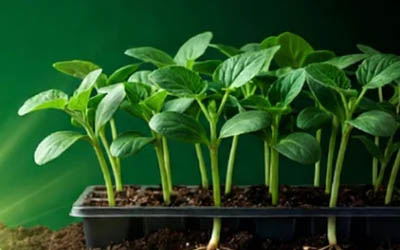
To achieve healthy and vigorous seedlings:
- Use high-quality seeds
- Prepare a well-balanced growing medium
- Maintain optimal moisture levels
- Ensure good air circulation
🧱 Ideal Germination Medium Preparation
✔ Base Material: Cocopeat
- Use cocopeat compost for seed germination
- Provides excellent moisture retention and root support
✔ Optional Additives (Recommended)
- Perlite – Improves aeration
- Vermiculite – Enhances moisture retention
🔔 The recommended ratio is 1 part cocopeat, 1/3 part perlite, and 1/3 part vermiculite.
⚠️ Important: Preparing Cocopeat Block
If using compressed cocopeat blocks, soak them in water overnight, wash 4–5 times to remove excess salts, dry under sunlight, and moisten again before use.
🔔 Avoid salty cocopeat, especially from coastal sources. High salt content reduces germination success.
🧪 Mixing the Growing Medium
- Mix cocopeat, perlite, and vermiculite thoroughly
- Ensure even distribution
- Store extra mix in a shaded area (usable for 1–2 months)
💧 Correct Moisture Level
- Maintain moisture
- Moist but not soggy
- No water should drip when squeezed
🌱 Filling Seedling Trays Properly
- Use trays with multiple cells (e.g., 90-cell tray)
- Fill loosely without pressing tightly
- Lightly tap to settle the medium
❌ Avoid This Mistake
- Do not compress the medium tightly
- Poor aeration damages root development
- Excess water leads to root rot and poor germination.
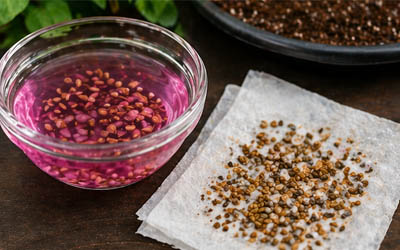
🌾 Seed Treatment Before Sowing
For thick-coated seeds (e.g., pumpkin, snake gourd):
- Mix 20g Pseudomonas in 1 liter water
- Soak seeds for 10 minutes
⚠️ Always check the expiry date of Pseudomonas before use.
🌿 Sowing the Seeds for Healthy Seedling Growth
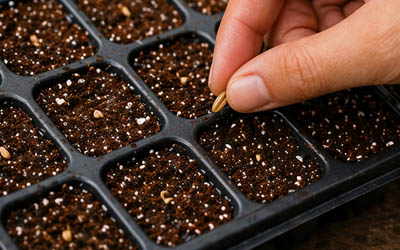
- Place seeds on top layer
- Press gently into the medium
- Cover lightly with cocopeat
- Keep trays in shade
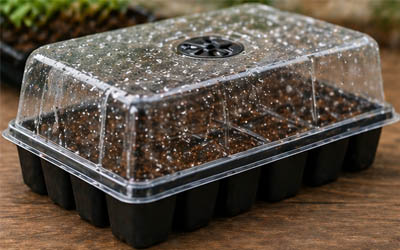
🌡️ Maintaining Humidity for Germination
- Cover trays with plastic sheet
- Helps retain moisture and warmth
Expected Results
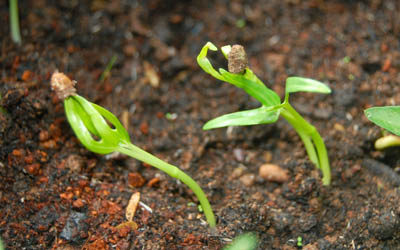
🔔 Germination begins within 2–3 days
☀️ Post-Germination Care
Once sprouts appear:
- Move trays to sunlight
- Water lightly in the morning
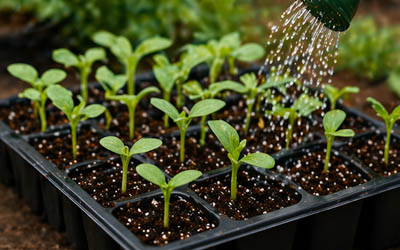
For an optional nutrient spray, mix 3g of 19:19:19 fertilizer in 1 liter of water and apply it lightly to support better growth.
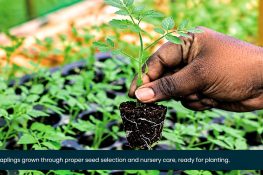
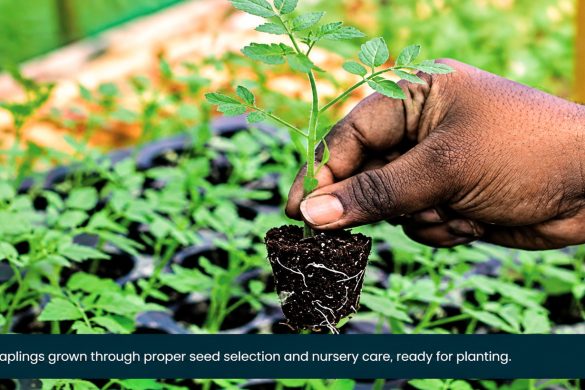
🔔 Early sunlight exposure ensures strong and sturdy seedlings.
🌟 Key Tips for Nursery-Quality Seedlings
- Maintain balanced moisture
- Avoid overwatering
- Ensure proper aeration
- Use quality inputs
- Provide early sunlight exposure
❓ FAQ
What is the best medium for seed germination at home?
Cocopeat is the best base medium due to its excellent moisture retention and aeration. Adding perlite and vermiculite further improves results.
Can I grow seedlings without perlite and vermiculite?
Yes, cocopeat alone is sufficient for germination. However, adding perlite and vermiculite improves moisture balance and air circulation.
How often should I water seedlings?
Water lightly once a day. Avoid overwatering, as excess moisture can damage roots and slow growth.
Why are my seedlings weak and thin?
Weak seedlings are usually caused by poor light exposure, overwatering, or tightly packed growing medium with low aeration.
How long does it take for seeds to germinate?
Most seeds germinate within 2–3 days under proper moisture and humidity conditions.
Is seed treatment necessary before sowing?
Seed treatment is recommended for thick-coated seeds to improve germination rate and protect from diseases.