Overview of Sajitha’s Homestead
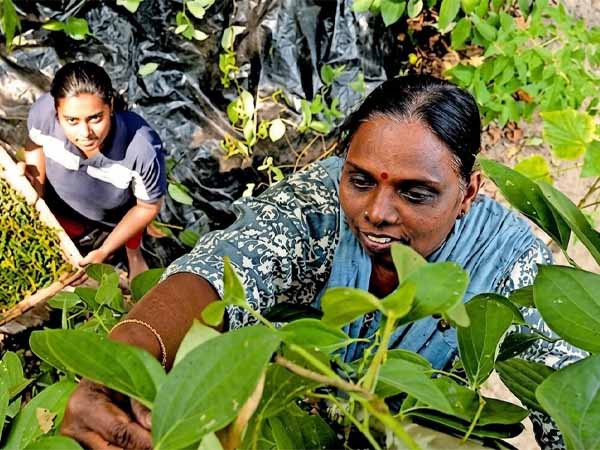
Sajitha cultivates a variety of spice and vegetable crops on fertile land enriched with natural water bodies and greenery. Her farm is located in a region rich in ponds and vegetation, supporting a micro-ecosystem suitable for organic farming.
Key Highlights:
- Size: 0.57 acres of homestead land
- Primary focus crops: Spices and vegetables
- Cultivation style: 100% organic
- Family support: Supported by husband Anilkumar and children Aishwarya and Kalidasan
High-Value Crops That Boost Farm Income
✅ Pepper Varieties
Pepper remains the principal crop on the homestead. A plot of 110 feet is dedicated to cultivating high-value pepper types such as Panniyoor and Karimund varieties, which fetch strong market prices. Sajitha adopted the “Kamuki” method for pepper propagation, contributing to higher productivity.
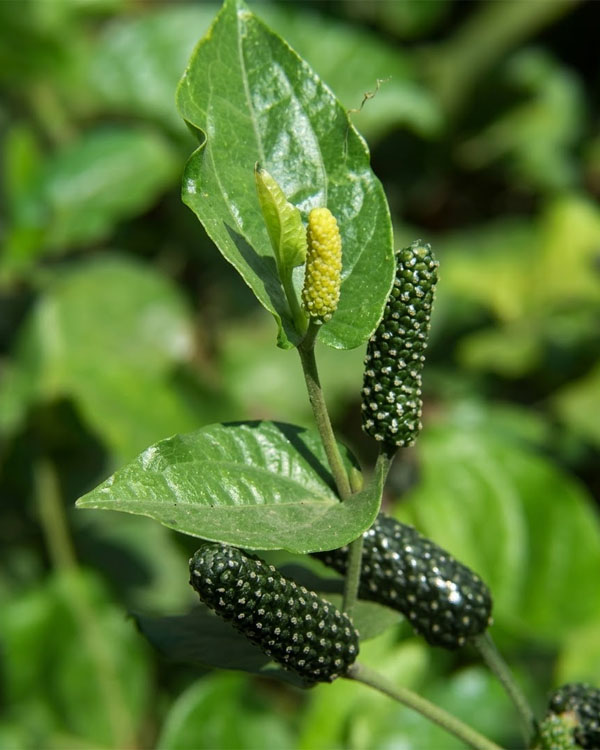
✅ Thippali – A More Profitable Spice
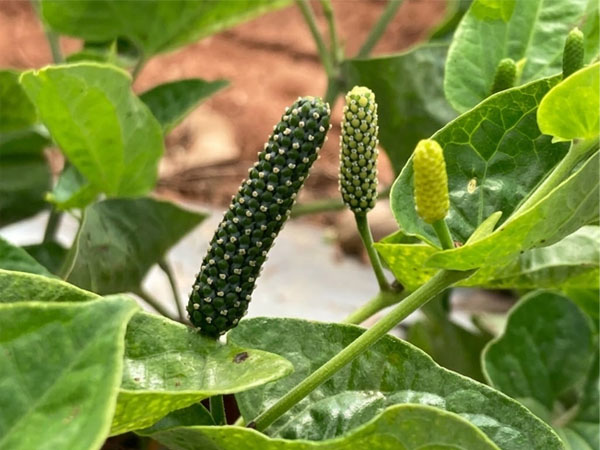
Thippali (long pepper) grown here commands a higher market price than black pepper due to its aromatic profile and demand in niche markets. Sajitha applies the same organic fertilization methods she uses for pepper to Thippali, making it a profitable high-value crop.
✅ Other Crops and Diversity
Beyond spice cultivation, the farm includes:
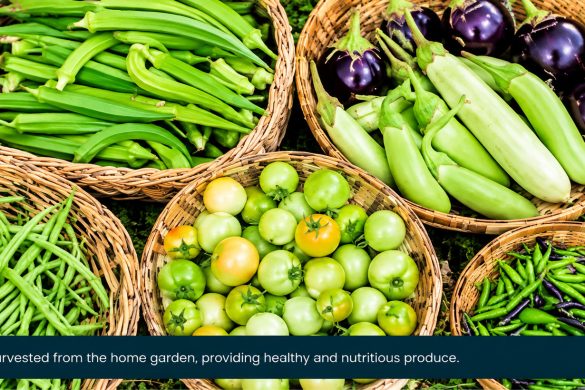
- Edible vegetables such as tomato, yardlong beans, chilies, and ridge gourd
- Traditional crops including chemp, chena, kachi, and kappa
- Fruit plants and other crop varieties grown using traditional methods
Sustainable Organic Practices
✅ Natural Fertilization Using Pond Moss
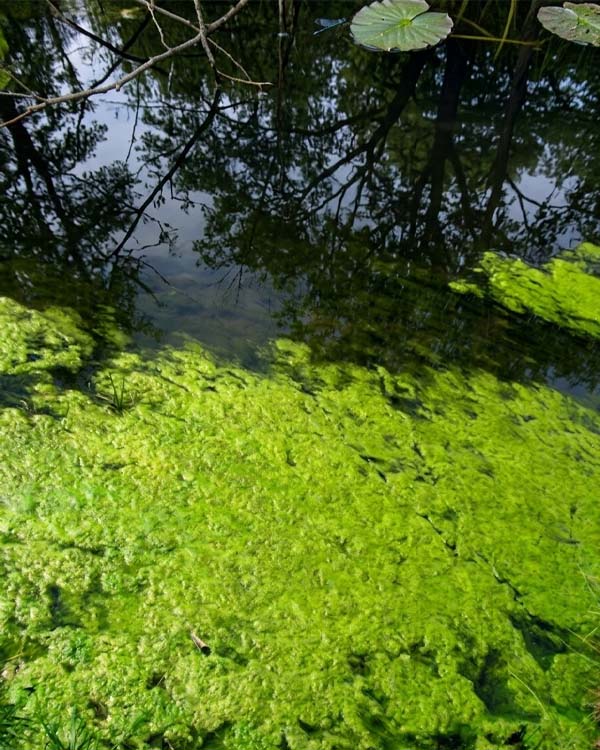
A cornerstone of the farm’s organic approach is the use of pond moss and organic matter as fertilizer. Sajitha harvests organic pond growth biomass and combines it with traditional compost ingredients like char and cow dung. This blend, applied in rotation every three months, improves soil fertility without chemical inputs.
✅ Water Management for Crop Health
The farm utilizes five pond systems to irrigate pepper vines twice a day using motorized water pumps. Continuous moisture ensures healthy vine growth and helps maintain consistent yield quality.
✅ Full Organic Workflow
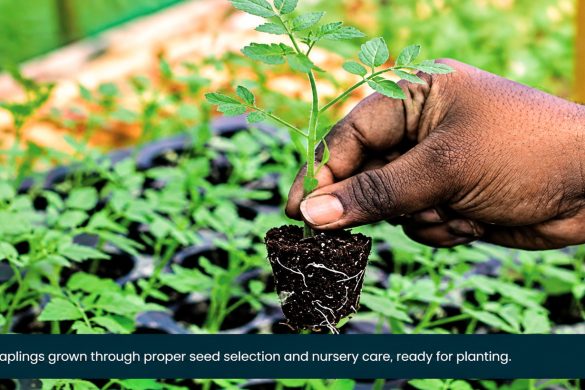
All processes from seed selection to harvesting and post-harvest handling are carried out organically. This builds consumer trust and supports premium pricing for produce.
Family Involvement and Farm Empowerment
Practical Takeaways for Farms of All Sizes
1. Diversify crops for stable income: Combine high-value spices (like Thippali and pepper) with vegetables and traditional crops.
2. Focus on organic soil health: Use natural fertilizers such as decomposed pond vegetation mixed with compost.
3. Water management: Regular and systematic irrigation significantly improves crop outputs.
4. Family participation: Shared responsibilities improve farm sustainability and long-term planning.
Sajitha’s organic homestead farm illustrates how disciplined organic practices, crop diversification, and strategic resource management can transform a small plot into a profitable, sustainable farm. With a focus on high-value spices and integrated vegetable cropping, Sajitha’s approach offers a replicable model for aspiring organic farmers seeking both economic and ecological success.