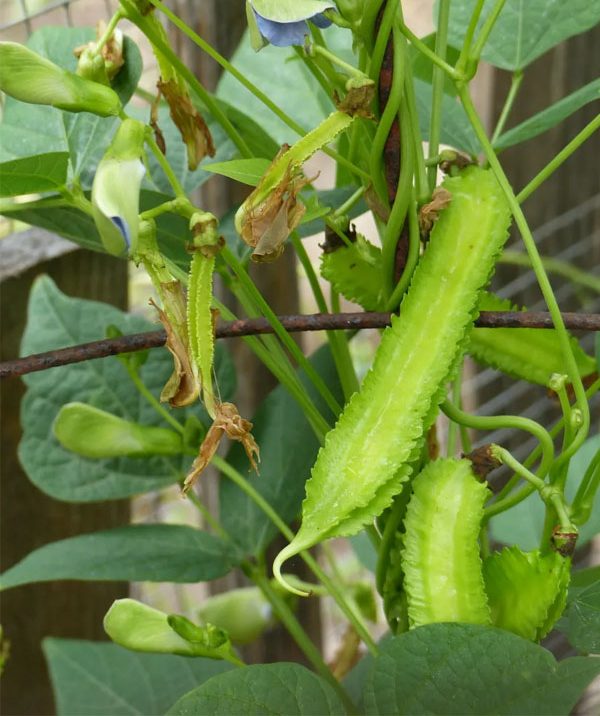
Winged bean (Psophocarpus tetragonolobus) is a versatile, tropical legume prized for its nutritious pods, leaves, flowers, seeds, and tubers. Unlike many beans, almost every part of the plant is edible and packed with protein, vitamins, and minerals.
A healthy winged bean plant can continue producing for up to three years under the right conditions, making it an excellent choice for home gardens and small farms alike.
Plant Overview
Botanical name: Psophocarpus tetragonolobus
Common name: Winged bean (also known as four-angled bean)
Plant type: Climbing legume
Edible parts: Pods, leaves, flowers, seeds, and tubers
Climate: Tropical/subtropical, warm growing season preferred
Optimal Growing Conditions
Soil Requirements Winged beans thrive in loose, well-drained soil rich in organic matter. A slightly acidic to neutral pH (6.0–7.0) supports healthy root development. Incorporating compost or well-rotted manure before planting improves soil structure and fertility.
Sunlight & Climate
Full sun exposure is ideal for vigorous growth.
Warm temperatures support germination and flowering.
Windy or shaded areas should be avoided.
How to Plant Winged Beans
01
Seed Selection & Pre-Planting
✅ Use fresh, mature seeds from a trusted source. ✅ Soak seeds in clean water for 12–24 hours before sowing — this enhances germination rates.
02
Planting Methods
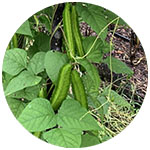
Direct Field Sowing
Prepare soil: loosen and enrich with compost.
Plant seeds 1 inch (2–3 cm) deep, spacing 20–30 cm (8–12 in) apart.
Maintain row spacing of ~90–100 cm (36–40 in) for airflow.
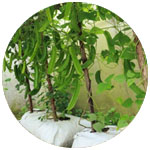
Growing in Bags
Use grow bags or pots filled with fertile potting mix.
Place them where they receive maximum sunlight.
Ensure good drainage holes at the bottom.
Direct Field Sowing
Prepare soil: loosen and enrich with compost.
Plant seeds 1 inch (2–3 cm) deep, spacing 20–30 cm (8–12 in) apart.
Maintain row spacing of ~90–100 cm (36–40 in) for airflow.
Growing in Bags
Use grow bags or pots filled with fertile potting mix.
Place them where they receive maximum sunlight.
Ensure good drainage holes at the bottom.
03
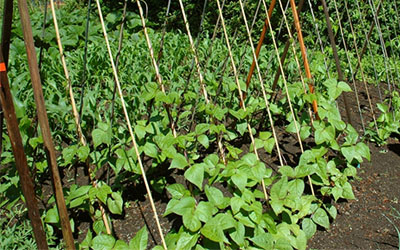
Supporting the Climbers
Winged beans are vigorous climbers and will require support. Install trellises, stakes, or netting as the vines begin to climb. This encourages vertical growth, improves air circulation, and allows better sunlight exposure.
04
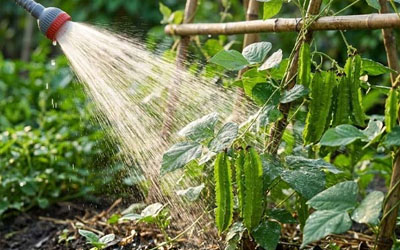
Watering Best Practices
Keep the soil consistently moist but not waterlogged — especially during flowering and pod set.
Water early in the day to minimize disease risk.
05
Fertilizer Tips
Winged beans naturally fix nitrogen, so heavy fertilization not required.
Apply balanced fertilizers (like NPK 10-10-10) only if soil is poor.
Organic inputs like compost tea or well-rotted manure can boost yields.
Care & Maintenance
Mulching & Weed Control
Apply mulch to retain moisture and suppress weeds.
Keep weeds away, especially during early vine growth.
Pruning
Pinching back vine tips promotes bushier growth.
Trim tangled or overlapping vines to improve air flow.
Pest & Disease Management
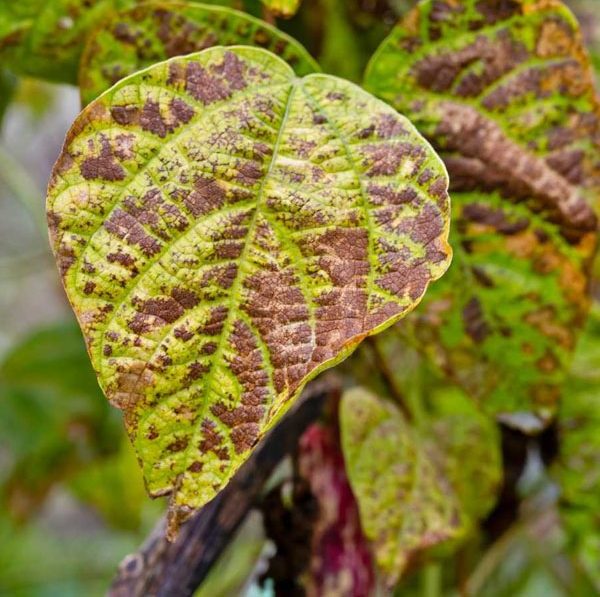
Winged beans are relatively hardy but may face issues like aphids or leaf spots. Use natural pest control methods such as neem oil or organic insecticidal soaps. Ensure good spacing and airflow to reduce fungal problems.
Harvesting & Yield
Harvest young pods regularly to prevent them becoming tough and fibrous.
Pods are typically ready soon after flowering.
A well-managed plant can produce up to ~2 kg of pods per plant and may continue yielding for multiple seasons.
Winged bean cultivation is rewarding for gardeners and growers seeking a nutrient-dense, multi-purpose crop. With proper soil preparation, consistent watering, structural support, and regular harvesting, you can achieve high yields and long-term productivity even in small spaces. Whether planted in the backyard or in grow bags, winged beans offer a sustainable, low-maintenance legume option for tropical and subtropical climates.
Frequently Asked Questions (FAQ)
When is the best time to plant winged beans?
Plant winged beans when soil temperatures stay above ~20 °C (68 °F), typically in spring or early summer in most regions.
How deep should winged bean seeds be sown?
Plant seeds about 1 inch (2–3 cm) deep in well-prepared soil.
Do winged beans need a trellis?
Yes — because they are climbers, a trellis or vertical support helps increase yield and allow easier harvesting.
How often should I water winged beans?
Water so the soil stays evenly moist — avoid waterlogging and don’t let the soil completely dry out during flowering.
Can winged beans grow in containers?
Absolutely. Use pots or grow bags with good drainage and place them in sunny spots.
How long before harvest?
Young pods are ready soon after flowering; regular picking encourages continued production.
Are all parts of winged bean edible?
Yes — leaves, flowers, pods, seeds, and even tubers can be used in cooking.
What pests should I watch for?
Common garden pests like aphids or caterpillars may appear — use natural pest controls and good sanitation.
Can winged beans grow year-round?
In tropical climates, they can grow nearly year-round; in temperate zones, they are usually treated as an annual.
How do I improve soil for winged beans?
Incorporate organic matter such as compost or manure before planting to enrich nutrient levels and improve soil structure.
Agriculturist at The Farming Times and researcher specializing in sustainable farming practices, focused on eco-friendly agriculture and resilient farming systems. Based in Thiruvalla, Kerala.