
Home » Growing Amaryllis Lilies: Complete Guide for Bulb Planting, Care, and Blooming

Growing Amaryllis Lilies: Complete Guide for Bulb Planting, Care, and Blooming

by Ava Amelia
6 minutes read

Amaryllis lilies are striking flowering plants that produce large, colorful blooms directly from their bulbs. Unlike many other ornamental plants, amaryllis lilies can flower without developing leaves first. This characteristic makes them a spectacular addition to home gardens or patios for gardeners seeking eye-catching blooms after monsoon or during cooler periods.

What Are Amaryllis Lilies?

Amaryllis lilies originate from South Africa and are now popular ornamental plants available in various hybrids and decorative types. They thrive in climates without extreme heat and display large, vibrant flowers in colors like deep red, pink, white, or mixed shades.

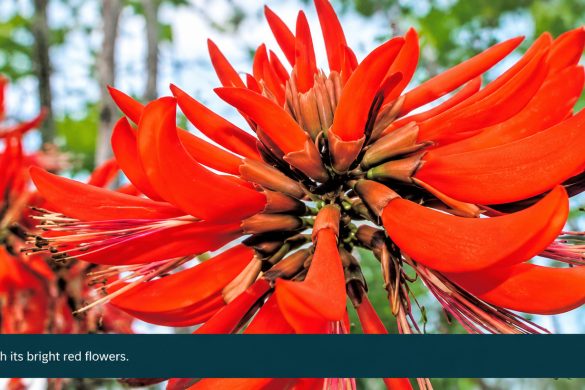
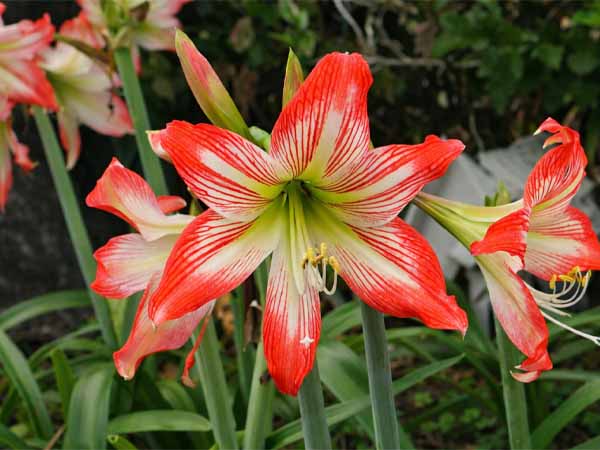
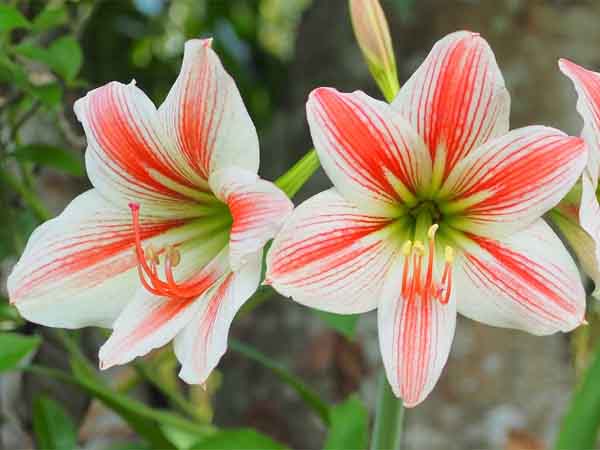
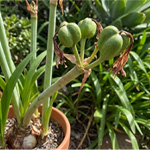
Close-up of vibrant amaryllis blooms
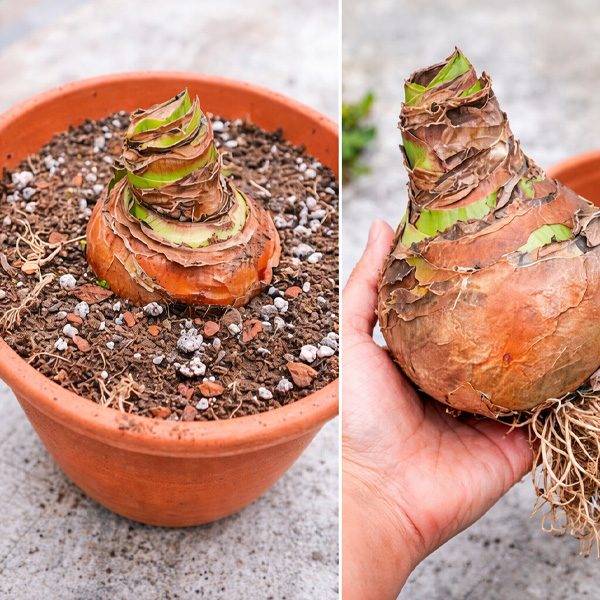
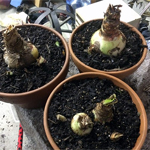
Planting amaryllis bulb in potting soil

Choosing and Preparing Bulbs

✅ Selecting Healthy Bulbs

  • Buy bulbs from a reputable online nursery or trusted vendor.
  • A healthy bulb should be firm, moderately sized with good stored nutrients.
  • Light brown bulbs with slight green patches are a sign of vitality.
  • Small or lightweight bulbs often produce leaves first and may bloom only in the next season.

✅ Bulb Storage Before Planting

Amaryllis bulbs remain dormant before planting and contain stored food reserves that support flowering. Handle bulbs gently and avoid damage to their base.

Potting and Soil Requirements

✅ Choosing the Right Container

  • Use at least an 8-inch pot to support bulb growth and flower stalk strength.
  • Pots should provide proper drainage.

✅ Soil Mix

  • A mix of coconut coir, well-rotted compost, and potting soil works well.
  • Avoid overly heavy soils that retain stagnant water.

Planting Amaryllis Bulbs

✅ Step-by-Step Planting

  1. Sanitize bulbs by dipping them in a mild fungicide solution (e.g., Kontaf Plus, 1 ml per liter of water).
  2. Place the bulb in the pot so that the neck remains above the soil and the rounded base is buried.
  3. Firm the soil lightly around the bulb.
  4. Water thoroughly but avoid soggy conditions.
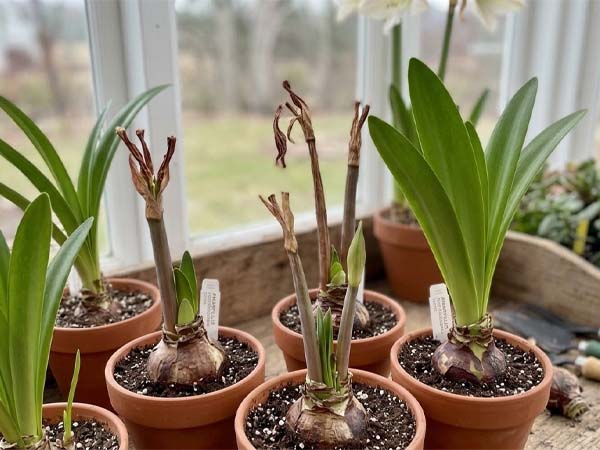
Amaryllis lily after flowering with new leaves

Sunlight, Watering & Growth Conditions

Amaryllis lily after flowering with new leaves

Flower Development and Support

✅ Blooming

  • Flower stalks emerge quickly and form large clusters of flowers at the top.
  • Colors range from deep red and pink to white and mixed hues. 

✅ Physical Support

  • Provide a stake or support for tall flower stalks to keep heavy blooms upright. 

Post-Bloom Care

After Flowering

  • Remove faded flowers at the base once they wilt.
  • The plant will grow leaves that replenish bulb reserves for the next bloom cycle. 

Fertilization

  • Apply a balanced fertilizer like 14-7-14 or sprinkle well-rotted compost near the stem base after flowers open.
  • Water accordingly to nourish the plant for future blooms. 

After Flowering

  • Remove faded flowers at the base once they wilt.
  • The plant will grow leaves that replenish bulb reserves for the next bloom cycle. 

Fertilization

  • Apply a balanced fertilizer like 14-7-14 or sprinkle well-rotted compost near the stem base after flowers open.
  • Water accordingly to nourish the plant for future blooms. 

Bulb Storage for Next Season

Preparing Bulbs for Storage

  • After the foliage dies back, gently remove the bulb from the soil and clean off old roots.
  • Store bulbs in a dry, cool place protected from rain and direct sunlight until the next planting season. 

Alternative Water Method

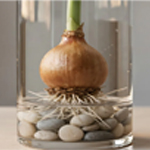
  • Some gardeners place bulbs in a half-cut mineral water bottle filled with water so the base is submerged, promoting growth and occasional blooming even in water. 

Preparing Bulbs for Storage

  • After the foliage dies back, gently remove the bulb from the soil and clean off old roots.
  • Store bulbs in a dry, cool place protected from rain and direct sunlight until the next planting season. 

Alternative Water Method

  • Some gardeners place bulbs in a half-cut mineral water bottle filled with water so the base is submerged, promoting growth and occasional blooming even in water. 

Growing amaryllis lilies from bulbs is rewarding when you provide the right potting mix, watering routine, and sunlight. With proper post-bloom care and seasonal storage, these vibrant flowers can grace your garden year after year. Apply the tips above to enjoy spectacular blooms and healthy plant growth.

FAQ

How long do amaryllis bulbs take to bloom after planting?
Amaryllis bulbs typically bloom 25–30 days after planting in a suitable climate with proper moisture and sunlight.
Yes. Use at least an 8-inch pot with well-draining potting mix for strong growth and blooms.
After shoots appear, amaryllis lilies benefit from 4–5 hours of sunlight daily but avoid harsh midday heat.
Keep the soil moist but not waterlogged. Allow the topsoil to slightly dry between watering.
Remove wilted flowers, allow leaves to grow to replenish bulb nutrients, and store the bulb for the next season once foliage dies.
Yes. After flowering and leaf growth, clean and store bulbs in a cool, dry place for future planting.
Applying a balanced fertilizer such as 14-7-14 after flowering encourages nutrient storage for future blooms.
Over time, amaryllis bulbs can produce offsets that may be separated and planted to increase plant numbers.
Yes. They can be grown indoors with bright indirect light and careful watering.
Cool weather, consistent moisture, and partial shade during extreme heat help flowers last longer.

You may also like