Mango trees across many regions have flowered well this year, and fruit formation has already begun. At this critical stage, one of the biggest challenges faced by farmers and home gardeners is worm infestation in developing mango fruits.
A simple, low-cost, and eco-friendly solution to this problem is the use of pheromone traps. This article explains how pheromone traps work, how to install them correctly, and why they are effective in controlling mango pests.
What Causes Worms in Mango Fruits?
Worm infestation in mangoes is mainly caused by fruit-boring insects. These pests lay eggs on young fruits, and once hatched, the larvae feed inside the mango, making the fruit unfit for consumption.
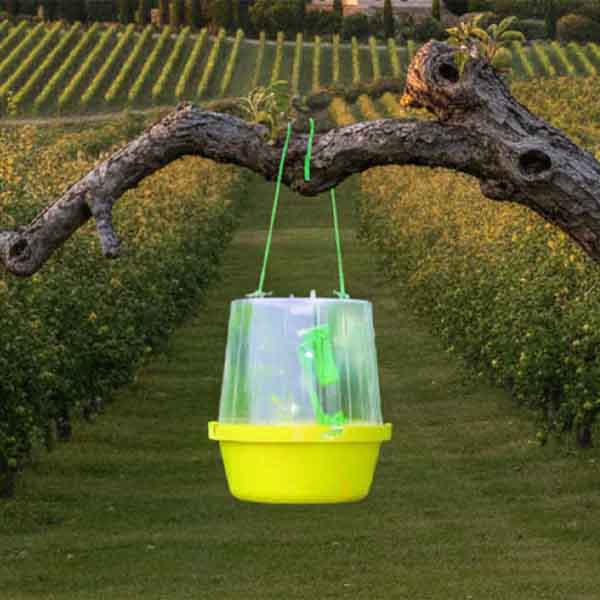
✅ Why Early Prevention Matters
Preventive measures taken during the early fruiting stage are far more effective than treatments applied after infestation begins.
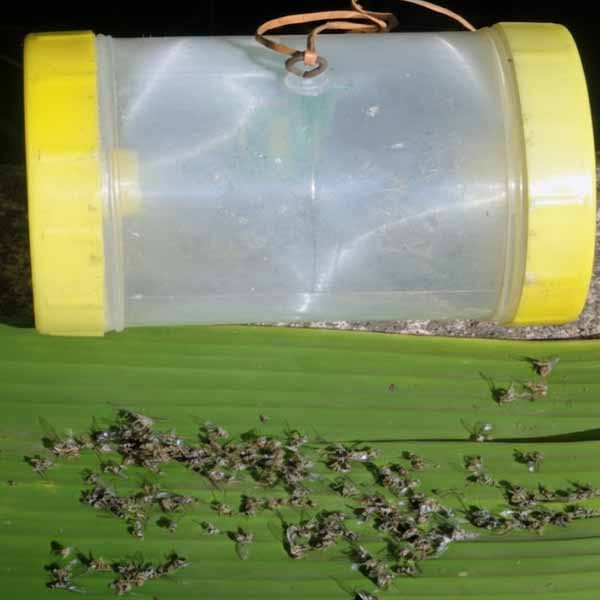
What Is a Pheromone Trap?
A pheromone trap is a pest-control device that uses synthetic pheromones to attract insects.
Key Components of a Pheromone Trap:
- Pheromone lure (cake-like material)
- Specially designed trap container
- Liquid bait (sugar water or rice-washed water)
These traps are commonly available in agricultural input and fertilizer shops.
⏳Trap Lifespan
One pheromone lure remains effective for up to 60 days.
How Pheromone Traps Work
- The pheromone releases a specific scent
- Female insects are attracted to the smell
- Insects enter the trap
- They fall into the liquid inside the lower chamber
- The insects drown and die, breaking the pest life cycle
Step-by-Step Method to Use Pheromone Traps in Mango Trees
Prepare the Pheromone Lure:
- Remove the outer cover of the pheromone cake
- Place it in the designated slot inside the trap container
Add Liquid Bait:
- Pour sugar-mixed water or rice-washed water into the lower chamber
Close the Trap Securely:
- Ensure the container is tightly closed to prevent leakage
Install the Trap on the Tree:
- Hang the trap on a mango tree branch
- Place it at a medium height for best effectiveness
Benefits of Using Pheromone Traps
- Chemical-free pest control
- Safe for humans and beneficial insects
- Low cost and easy to use
- Suitable for home gardens and commercial farms
- Prevents fruit damage before infestation spreads
Coverage Area and Trap Quantity
- One pheromone trap is sufficient for mango trees within a 20-cent area
- Even if multiple mango trees are present, a single trap can effectively control pests in that space
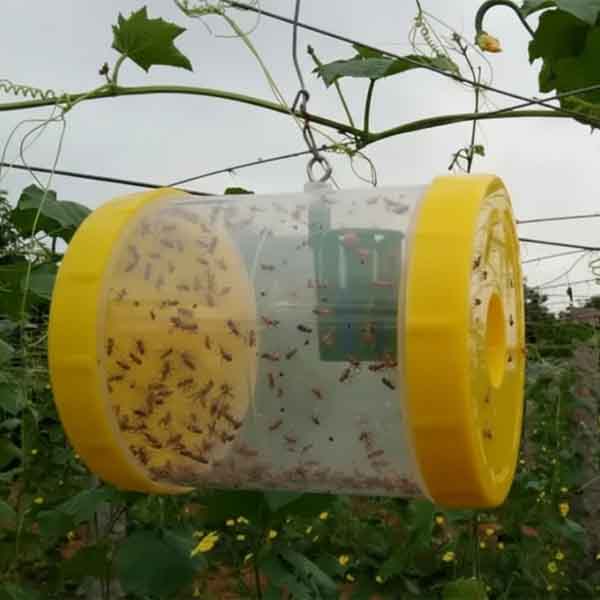
🌱 Sustainable Farming Practice
Pheromone traps are an excellent example of integrated pest management (IPM) and sustainable farming.
Frequently Asked Questions (FAQ)
What pests do pheromone traps control in mango trees?
Are pheromone traps safe for home gardens?
How long does one pheromone lure last?
How many traps are needed per area?
What liquid should be used inside the trap?
Where should the trap be placed on the tree?
Can pheromone traps replace chemical spraying?
They can significantly reduce the need for chemical sprays, especially when used as a preventive measure.