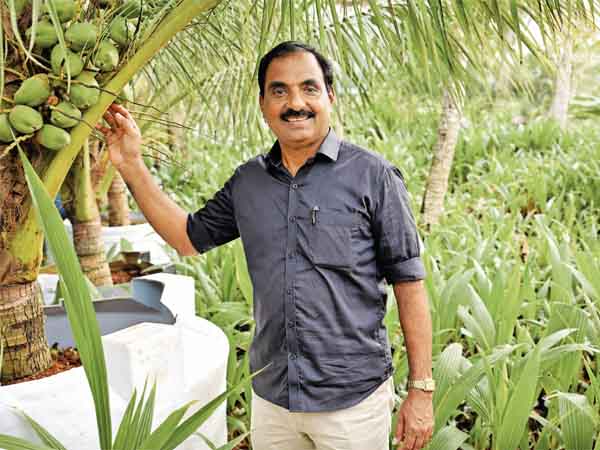
Growing coconut trees in limited space like a terrace or backyard may seem surprising, but innovative cultivation techniques using large barrels make it possible. This approach uses specially prepared potting mixtures and hybrid varieties to successfully produce coconuts in compact environments with minimal land requirements.
Why Coconut in Barrels?
Traditional coconut cultivation requires extensive land and deep soil. However, barrel-based cultivation brings coconut farming to urban and small-space settings. Key advantages include:
- Enables cultivation in terraces, yards, and paved areas.
- Suitable for land-limited growers.
- Portable and manageable container system.
Choosing the Right Barrel and Potting Mix
Recommended Barrel Size
Use 500-liter barrels or similar large containers to support root growth and tree stability.
Potting Mix Components
Create a nutritious and well-draining medium by combining:
- Topsoil (chemman)
- Organic soil amendment (um)
- Neem cake powder
- Rock phosphate
- Charcoal powder
This mix ensures good aeration, moisture retention, and nutrient availability.Â
Selecting Suitable Coconut Varieties
Certain hybrid and dwarf varieties perform exceptionally well in barrels. Common choices include:
High-Performing Coconut Types
- Sri Lankan Coconut – known for large fruit (up to 1–1.5 kg) and abundant water.
- Rangang Hybrid – high yield till 40 years, begins fruiting in ~2.5 years.
- Philippines, Malaysian Green, Malaysian Yellow, and others suited for confined spaces.
These varieties produce noteworthy yields and are often preferred for small-scale cultivation.
Plantation Process Step-by-Step

1. Seedling Preparation
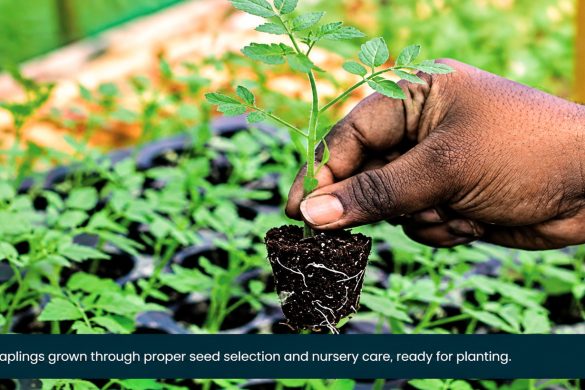
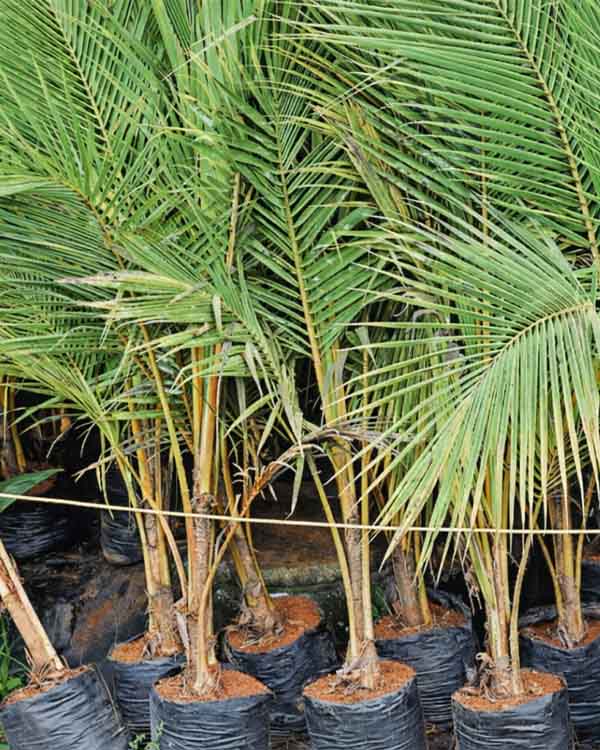
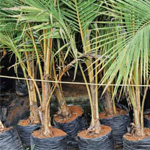
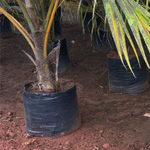
- Start plants in plastic covers until they produce 6–7 leaves.
- Transplant into barrels when seedlings are established.

2. Barrel Placement
- Position barrels on terraces, patios, or open yards with sufficient sun.
- Open yards with sufficient sun.Â

3. Irrigation and Care
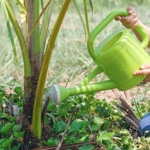
- Water regularly but avoid water-logging.
- Fertilize lightly using organic compost.

4. Maintenance
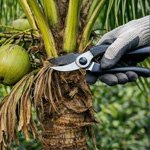
- Prune dead leaves to maintain plant health and airflow.
- Monitor for common pests and diseases.

Expected Growth and Yield
With proper care:
- Trees can begin fruiting by the third year.
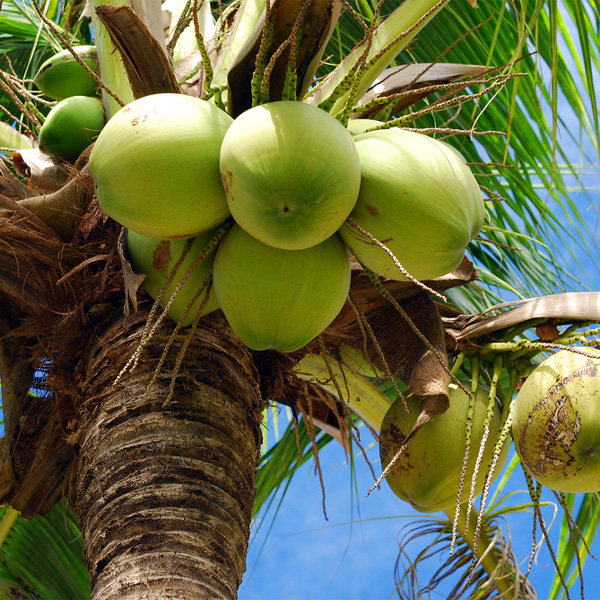
- Each cluster can yield 15–25 coconuts.
- Some cultivars remain productive for up to 80 years under ideal care.
Professional Support and Services
Nursery services can include:
- Soil testing and site evaluation
- Customized barrel setup
- Plantation and maintenance support
- Advisory on tree selection and care
Additional Fruit Trees in Barrels
Beyond coconuts, the same barrel setup can support other fruit trees such as mango, jackfruit, rambutan, and others, making it a versatile system for urban agriculture.