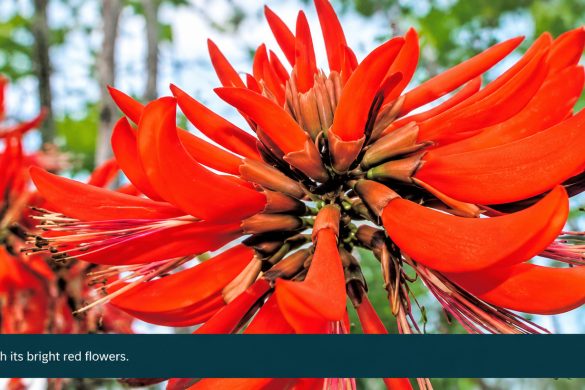
The attack of the nest-building caterpillar on mango trees is widespread and poses a serious threat to mango growers. These pests construct nests that are specially built to keep water out, making conventional chemical sprays largely ineffective. Understanding the right approach to controlling them — especially during the sensitive flowering season — is essential to protecting your harvest.
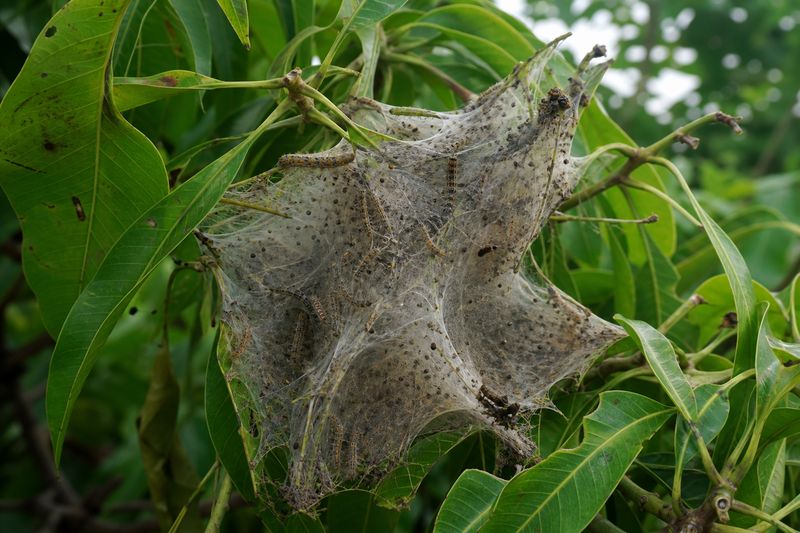
Nest-building caterpillars construct their nests in a way that prevents water from entering. Because of this unique structure, it is almost impossible to destroy them by spraying chemical pesticides — the spray simply cannot penetrate the nest to reach the pests inside.
⚠️ Important: Applying chemical pesticides during the mango flowering season will harm insects and honeybees, directly affecting pollination and reducing fruit set.
The most effective method to deal with nest-building caterpillars is to physically break and remove their nests using a hooked pole. This manual approach directly eliminates the pest without any risk to beneficial insects or pollinators, making it the safest option during the flowering season.
💡 Tip: Use a sturdy hooked pole to reach nests on higher branches. Pull the nest away completely and dispose of it away from the orchard to prevent re-infestation.
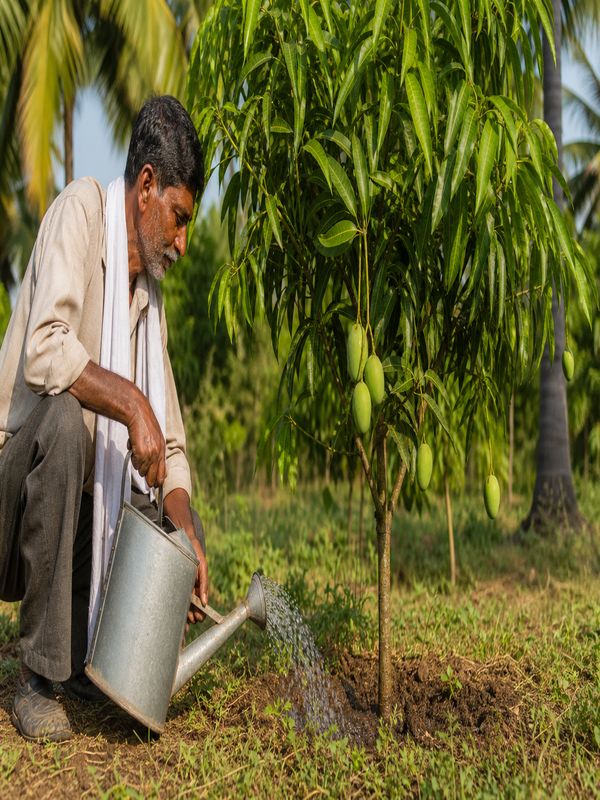
For mango trees that are less than 6–7 years old, proper watering is key to preventing premature fruit drop. Follow these timing guidelines:
- 🗓️ Begin watering after mid-January, or
- 🥭 Begin watering after all the tender mangoes have set
Following either of these timings will be helpful in preventing the mangoes from dropping prematurely.