✍️ Fact Check by Dr. Gautham Suresh S. P — Krishi Officer, Universal College, Thiruvananthapuram
Mango is a very familiar fruit to us. The description ‘filled with many qualities’ is fitting for it. Mangoes, which contain vitamins C and A, provide many benefits to the body when they ripen naturally. Up to 85% of a mango is water content.
The relationship between mangoes and chemical substances like carbide begins with the scarcity of naturally ripened mangoes. Let’s mainly look at the changes that happen in fruits ripened with carbide — and whether they pose a real danger to your health.
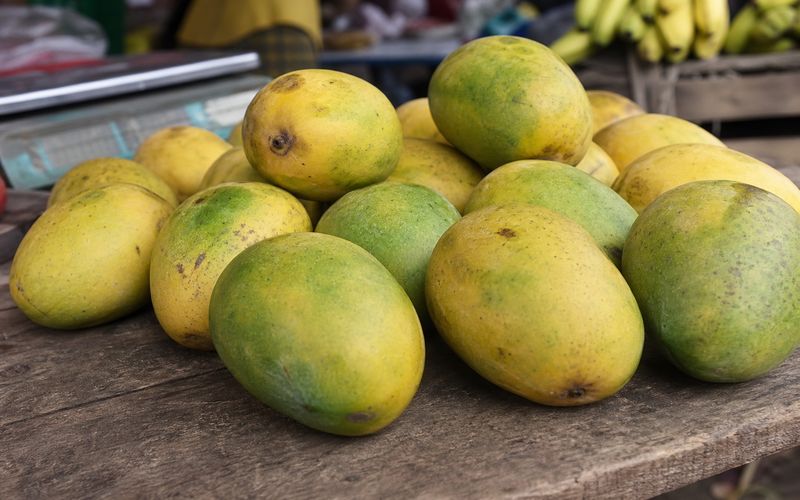
When ripened using carbide, the inner part of the mango remains mostly green. But the part on the outside that should be green turns yellow. Therefore, the outer part is made to look ripe. Because the chemical change inside doesn’t happen and it remains green, such mangoes appear similar to naturally ripened ones on the surface.
Since the outer skin and the flesh retain color, there is no change in the smell and taste of the mangoes — making it difficult to tell them apart without closer inspection.

Artificial carbide cannot work on the mango’s outer peel. Because of this, only some parts change color while other parts remain green. This means it will appear as a mix of green and yellow in many parts.
- ✅ Uneven color: Green and yellow patches visible on the outer skin
- ✅ Green inner flesh: When cut open, the flesh inside appears deep green in color
- ✅ Less sweet: Such mangoes will be noticeably less sweet than naturally ripened ones
- ✅ Burning sensation: Upon eating, one might experience a slight burning sensation or phlegm in the mouth and nose
Carbide can cause serious health problems that affect the human body both directly and indirectly. Consuming mangoes with excessive carbide can lead to a range of health issues. Furthermore, even inhaling water mixed with carbide can create serious repercussions.
🚨 Known Health Effects of Carbide-Ripened Mangoes:
- ⚡ Headaches and dizziness
- ⚡ Nausea and the urge to vomit
- ⚡ Stomach pain
- ⚡ Reduction of oxygen in the blood (when consumed in large quantities over time)
- ⚡ Risk of affecting the nervous system
When fruits ripened this way are consumed in large quantities, the ill effects of acetylene gas increase and can, in the long term, cause a reduction of oxygen in the blood. This can affect the nervous system. It is also important to note that toxic substances from hospitals and other industrial sources are sometimes mixed into carbide preparations — when these act on the human body, the risk increases further.
🔬 Research suggests that the toxic effect of calcium carbide can cause serious diseases like cancer, heart disease, and diabetes with prolonged exposure.