Expert Answer By: Joseph John Therattil
Designation: Assistant Director, Department of Agriculture, Pazhavangadi, Thrissur. E-mail: johntj139@gmail.com
A farmer asks: “I am not a new farmer. Anyway, I am into farming. As the banana bunches mature, small black-colored dots appear on the plantains. Later, these become like small pits. These banana bunches have no demand in the market. Can you suggest a solution?”
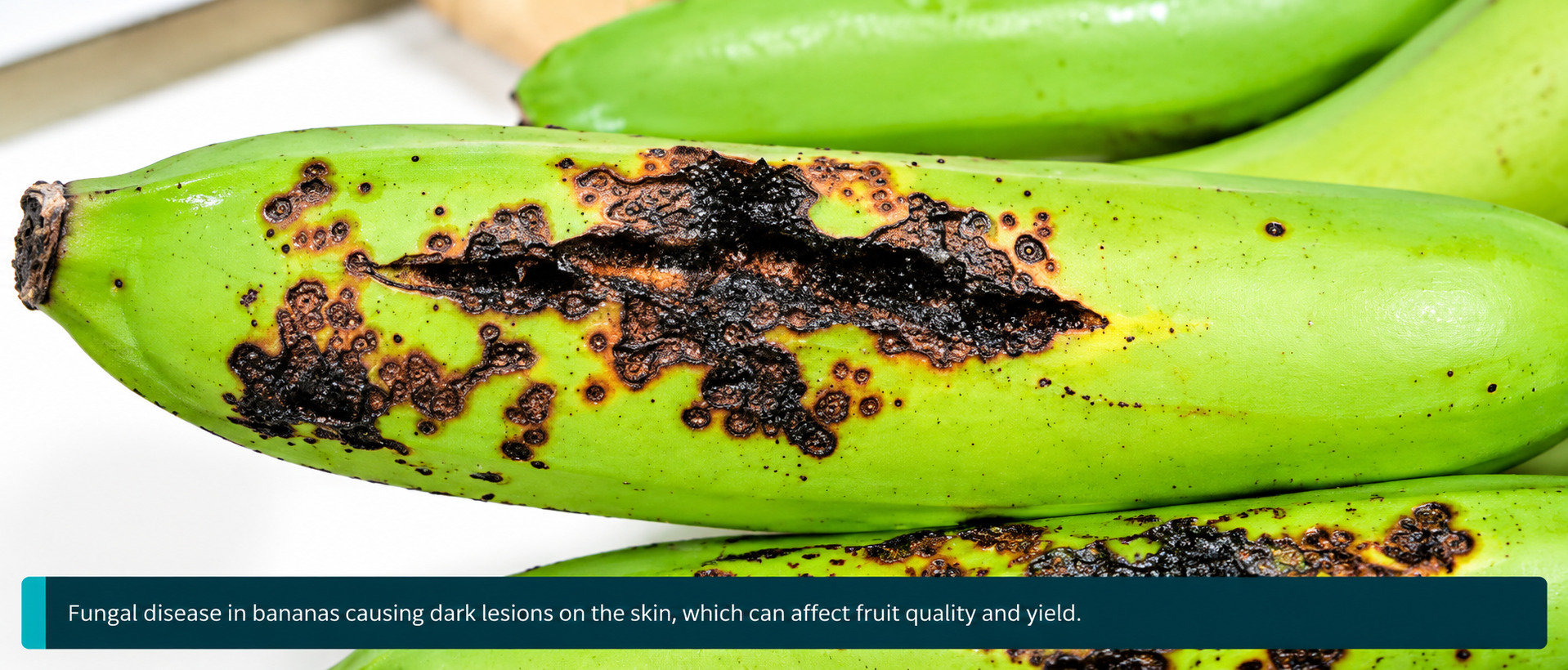
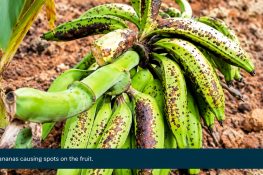
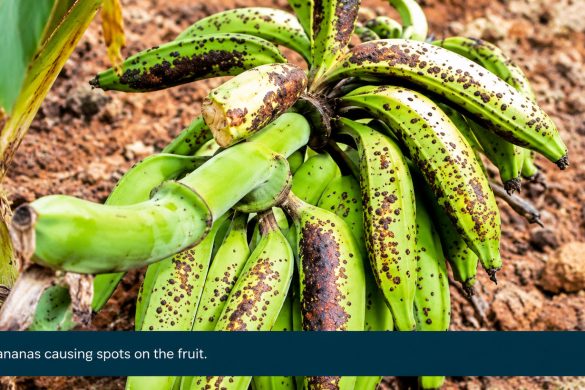
The problem described is a fungal disease called pitting disease, which commonly affects plantains and can reduce the attractiveness and market demand of banana bunches.
This is a fungal disease called pitting disease, which commonly affects plantains. The disease was first seen in Kerala in 2018.
It also affects varieties like Grand Naine, Poovan, and Mysuruvan.
Farmers and scientists at the center say that the disease is seen on tissue culture plantlets, suckers, and fruit stalks.
The first symptom is black marks on the skin of maturing plantains, as if scratched with a needle. Later, these spots turn into shallow pits.
🚨 Once the disease takes hold, the collective growth of the plantains is stunted and the fruits become deformed. Hundreds of such fruits can be present on a banana bunch.
It could be due to the presence of excessive fungi. Often, when the plantains start to ripen, fungi can be seen on the ripened part. It is more likely that the fungal attack will spread.
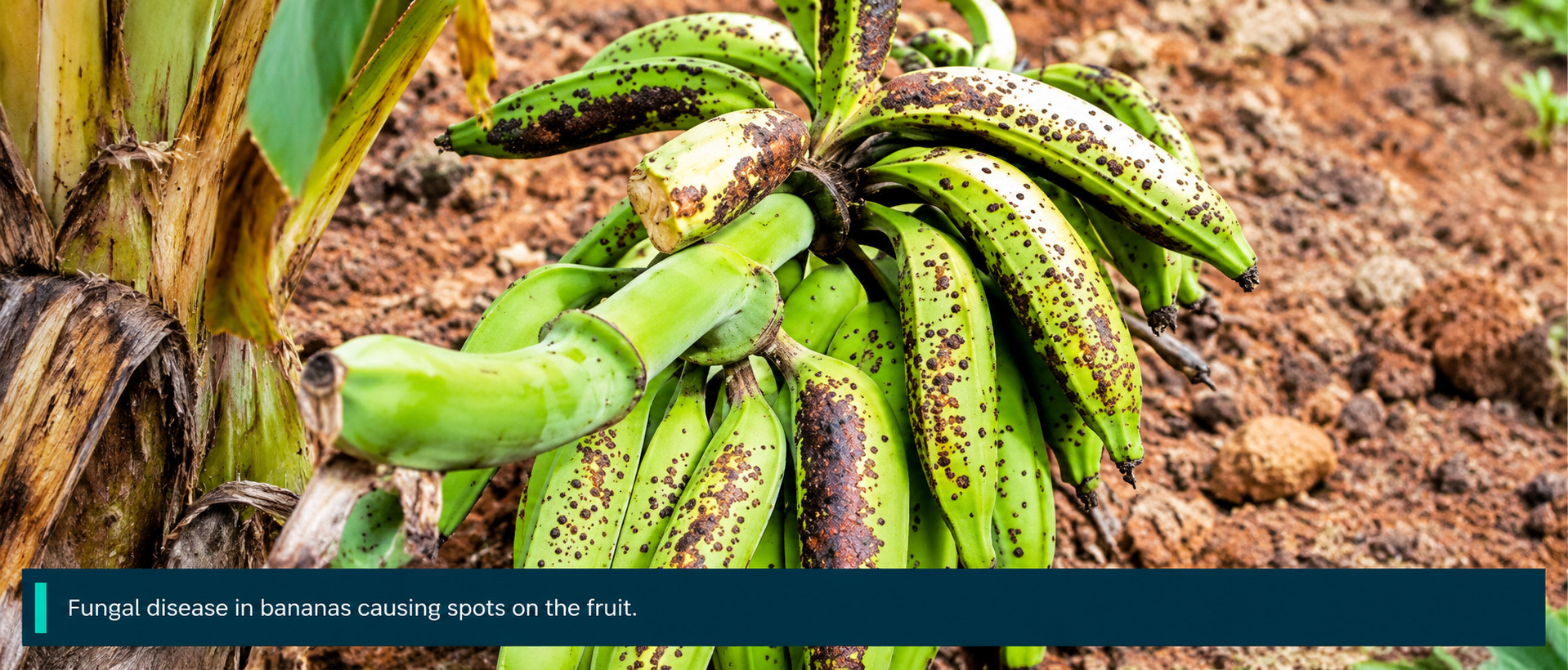
This is the reason for the increased presence of fungi in the pits that are formed. Although it does not destroy the bunch itself, it reduces its attractiveness.
These banana bunches have no demand in the market because the disease reduces their attractiveness, even though it does not destroy the bunch itself.
💧 For nurseries, even harvesting half-matured banana bunches by breaking them is a good market opportunity. For this, polyethylene covers that retain water and moisture can be used.
To control the disease, spray Carbendazim (Bavistin) at a rate of 2 grams/liter on the bunches and leaves.
Spraying for the nectar-sucking pest at a rate of half a milliliter (0.5 ml)/liter is also effective.
Do not plant suckers from infected banana plantations or infected tissue culture saplings.
Watch maturing bunches closely when needle-like black marks first appear, before they become shallow pits.