Reference: Thiruvananthapuram Tuber Crops Research Centre and Farmplast.
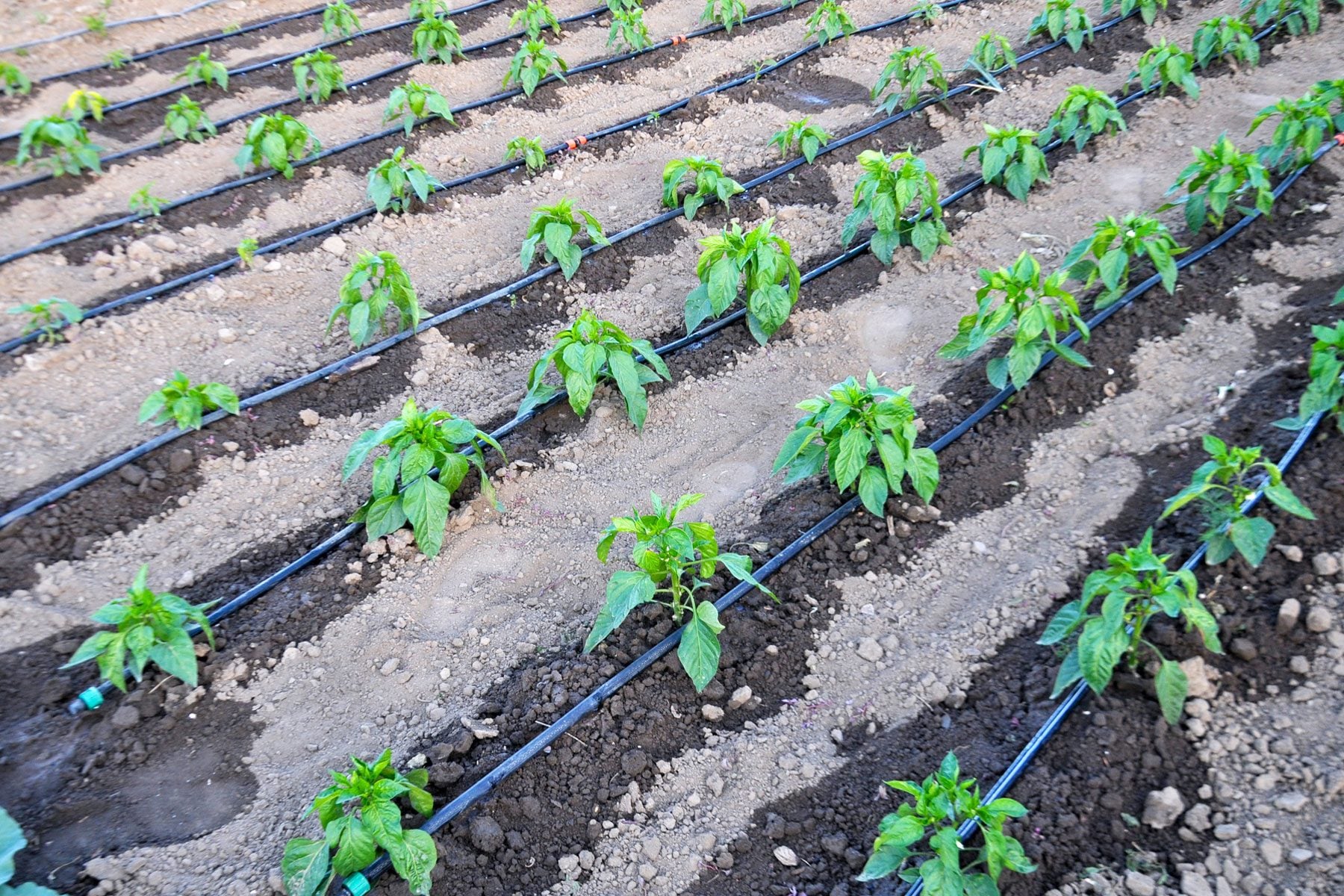
With the onset of summer, everyone is busy with irrigation. Since the canals are not opened and the water in the streams has reduced, many people are now depending on micro-irrigation methods. As the intense heat increased with the approaching monsoon, crops in the farmlands had to be irrigated continuously.
The difficulties caused when these methods, which help in using the available water efficiently, are obstructed are not small.
Micro-irrigation systems like drip irrigation, sprinkler irrigation, and mist irrigation have been in all farmlands for a long time. Automatic systems have even started to water the beloved greenery in apartments, which are a part of the cosmopolitan lifestyle.
Often, many installed systems may become dysfunctional, leading to withering, unhealthiness, and difficulty in timely repairs, making them useless.
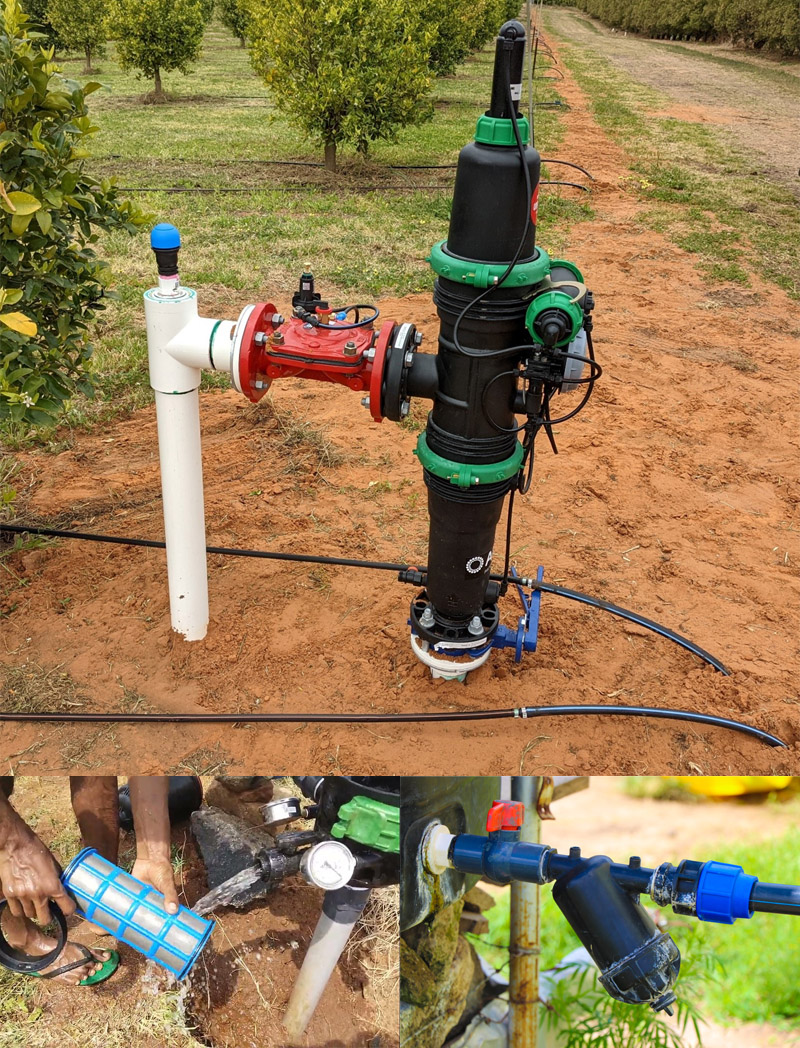
The clogging of filters and the accumulation of dirt is a major reason for blockages. Also, mud, mold, and moss. If these are avoided, the problem can be reduced to a great extent.
Clogging of filters and the accumulation of dirt is a major reason for blockages.
Also, mud, mold, and moss can obstruct the proper functioning of the system.
Install sand filters, disc filters, and screen filters.
The disc and screen filters should be cleaned at least once a week.
🧪 Cleaning methods mentioned: Popular methods use lemon, baking soda, hex, and bitter gourd.
Clean by passing a 20 ppm bleaching powder solution through the pipes. They can also be cleaned using acid solutions.
Any one of hydrochloric acid, sulfuric acid, nitric acid, or phosphoric acid can be used. The acid solution needs a concentration that brings the pH of the water to 2-3.
Drippers should be arranged in a way that ensures each crop gets the required amount of water. The table shows the amount of water required for different crops and the number of drippers needed to provide it.
| Crop | Required water (liters) | Number of drippers and operating time |
|---|---|---|
| Vegetable | 2-4 | 1 (2 liters per hour) |
| Banana | 16-25 | 2 (8 liters per hour) |
| Coconut | 70 | 4 (14 liters per hour) |
| Areca nut | 16 | 2 (8 liters per hour) |
| Nutmeg/Vanilla | 24 | 3 (8 liters per hour) |
A simple device developed at the Thiruvananthapuram Tuber Crops Research Centre for the maintenance of micro-irrigation systems is now available among farmers.
This method of passing an acid solution through the existing drip system is named Drip Clean. A startup venture named Farmplast has developed this. For more information, contact this number.
Phone: 94002 88040