Home » Sandalwood Farming In Kerala: How Farmers Can Earn ₹1 Crore Per Acre

Sandalwood Farming In Kerala: How Farmers Can Earn ₹1 Crore Per Acre

by Sama Sadhik
3 minutes read

Prof. K.C. Chacko, Senior Scientist (Retd.) K.F.R.I.
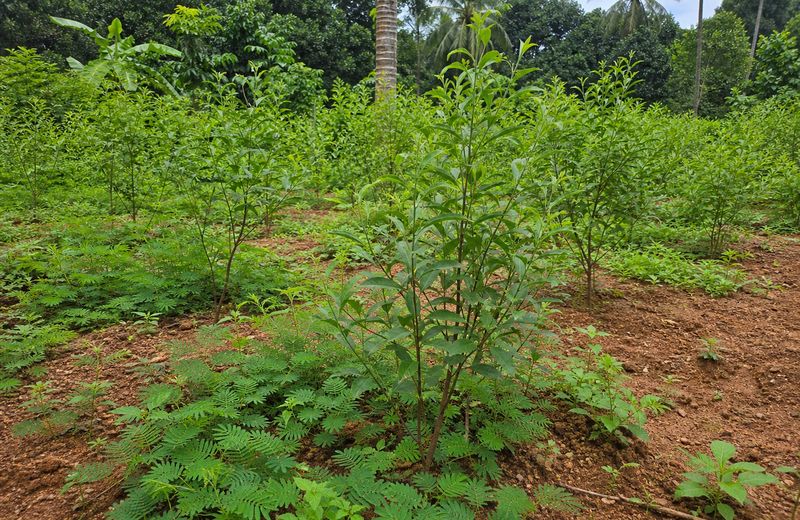
Sandalwood farming in Kerala with young Santalum album saplings and host plants

A huge opportunity is opening up for farmers across Kerala. Sandalwood is a crop cultivated for its harvestable product everywhere.

Although there are many varieties of sandalwood, the variety cultivated in our country is the fragrant Santalum album.


🌱 Selecting Good Sandalwood Saplings

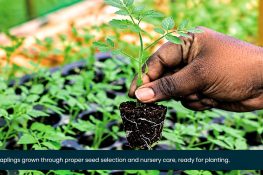
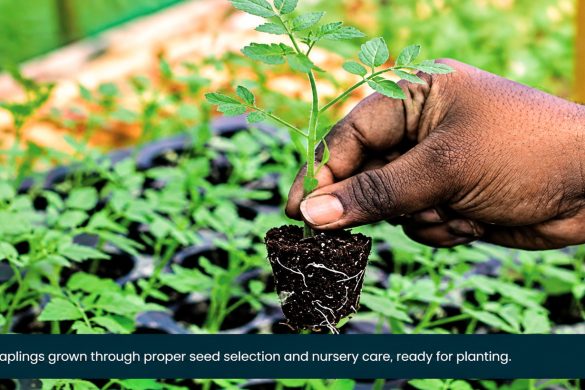
The saplings selected for cultivation should be about one foot tall, have grown branches, have leaves with a good green color, and a brown-colored stem.


🌿 Host Plants Needed From The Early Stage

Since sandalwood is a semi-parasitic plant, host plants like the touch-me-not should be grown at its base from an early stage.

When planting in a garden, it is beneficial to plant the host plants in an open pit 15 cm away from the base of the sandalwood sapling. The host plants require ground space, shade, and openness.


📏 Spacing And Saplings Per Acre

Spacing for planting is usually adopted according to the topography, such as 6×3 meters (222 saplings per acre) or 3×4 meters (333 saplings per acre).

6×3 meters
222 saplings per acre

3×4 meters
333 saplings per acre

💰 Harvest Period And Income Estimate

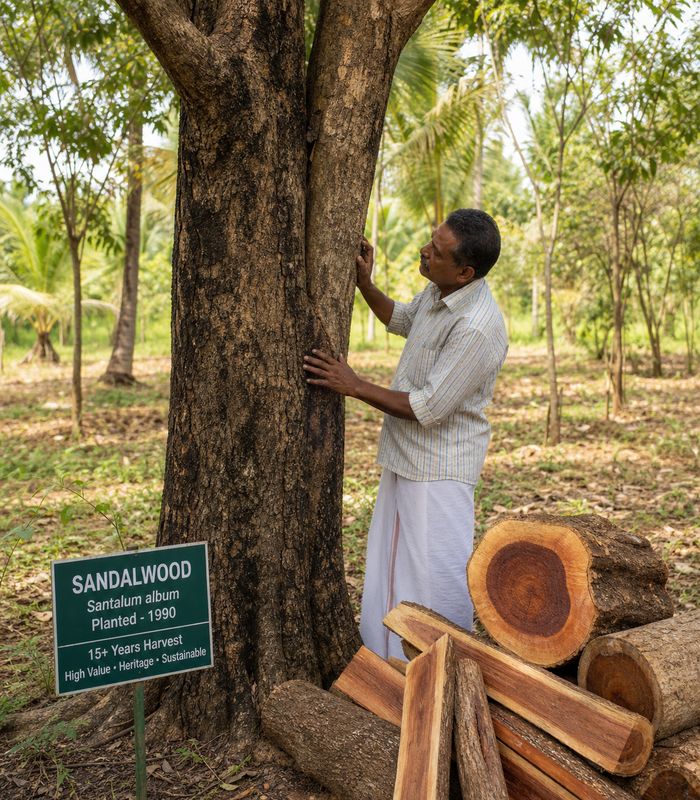
Mature sandalwood tree harvest showing valuable heartwood income potential

The cultivation period can be estimated at 20 years (some trees will be ready for harvest in 16 years itself).

If 222 saplings are planted per acre, it can be assumed that after 20 years, 200 trees will be ready for harvest.

The average heartwood obtainable from one tree is 5 kg (there have been instances of getting up to 30 kg). The average price can be estimated at ₹15,000 per kilo.

In that case, the income from one acre will be one crore rupees. This is not an exaggerated calculation. The periodic growth in the price and value of sandalwood will also increase the income.


⚠️ Plantation Protection Is Important

In this situation, sandalwood is indeed a crop that can be encouraged. Protecting the sandalwood plantation from thieves is no easy task.

📞 9447618335


FAQ

Which sandalwood variety is cultivated in India?

Although there are many varieties of sandalwood, the variety cultivated in our country is the fragrant Santalum album. It is cultivated for its harvestable product and is presented as a major opportunity for farmers across Kerala.

How should sandalwood saplings be selected for cultivation?

The saplings selected for cultivation should be about one foot tall. They should have grown branches, leaves with a good green color, and a brown-colored stem. These features are highlighted as important when selecting sandalwood saplings for planting.

Why are host plants needed for sandalwood farming?

Sandalwood is a semi-parasitic plant, so host plants like the touch-me-not should be grown at its base from an early stage. In a garden, host plants may be planted in an open pit 15 cm away from the sandalwood sapling.

What spacing is used for sandalwood planting?

Spacing is usually adopted according to the topography. The article mentions 6×3 meters, which gives 222 saplings per acre, and 3×4 meters, which gives 333 saplings per acre.

How long does sandalwood take to harvest?

The cultivation period can be estimated at 20 years. Some trees may be ready for harvest in 16 years itself. If 222 saplings are planted per acre, the estimate is that 200 trees will be ready for harvest after 20 years.

What income is estimated from one acre of sandalwood?

The article estimates an average of 5 kg heartwood from one tree, with the average price at ₹15,000 per kilo. Based on 200 harvest-ready trees after 20 years, the income from one acre is estimated at one crore rupees.

You may also like