What is Hydroponic Farming?
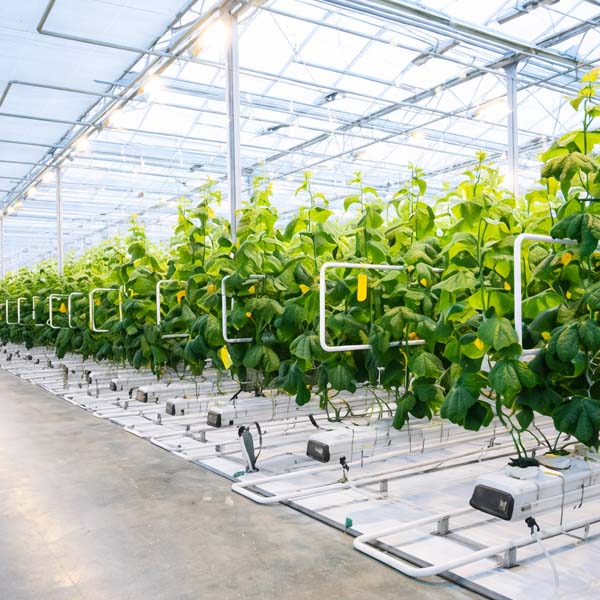
Hydroponic farming is a type of agriculture where crops are grown in water instead of soil. This method is versatile, working in:
- Indoor facilities
- Rooftop gardens
- Urban containers
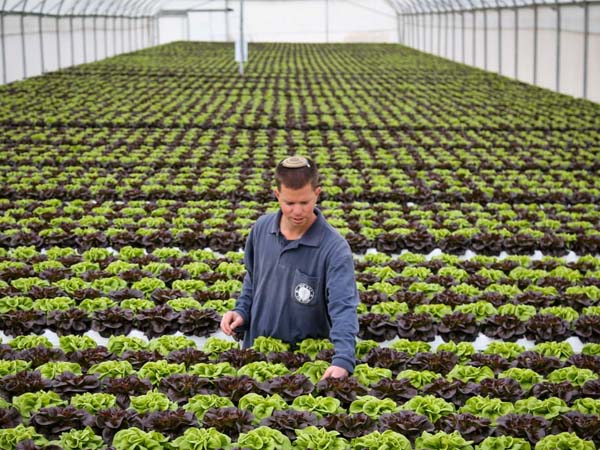
Using these systems, Israeli farmers produce high-quality fruits and vegetables year-round, regardless of extreme outdoor weather conditions.
✅ Core Benefits for Israeli Farmers
- Space Saving: Grows massive amounts of food in small areas—ideal for land-scarce regions.
- Environmental Control: Optimizes temperature and nutrients for maximum growth.
- Water Efficiency: Requires significantly less water than traditional methods, a crucial factor in the arid Middle East.
Your Hydroponic Farming Business Plan
To launch a successful venture, follow this strategic roadmap:
Plan Your Hydroponic
Conduct in-depth research on startup costs, required equipment, and effective marketing strategies. A solid hydroponic farming business plan ensures long-term profitability and scalability.
Choose the Right Site
Select a location with maximum sunlight exposure and excellent drainage. Proper site selection plays a crucial role in hydroponic system efficiency and crop yield.
Essential Hydroponic Tools
Invest in high-quality hydroponic equipment such as grow lights, soilless growing media, water pumps, and nutrient reservoirs to ensure optimal plant growth.
Ensure Smooth Operation
Install your hydroponic system and perform “dry runs” to detect leaks or faults. Testing your setup early prevents costly issues later.
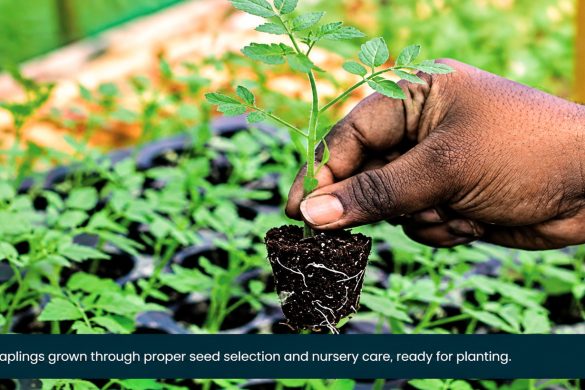
Select High-Demand Plants
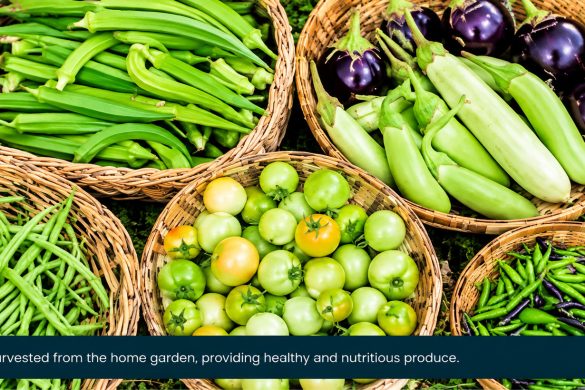
Choose profitable and fast-growing crops like tomatoes, cucumbers, peppers, and herbs that have strong demand in local markets.
Optimize Plant Growth
Carefully monitor nutrient levels, pH balance, and light exposure. Regular tracking helps maintain healthy plants and improves yield quality.
Maximize Profits from Your Produce
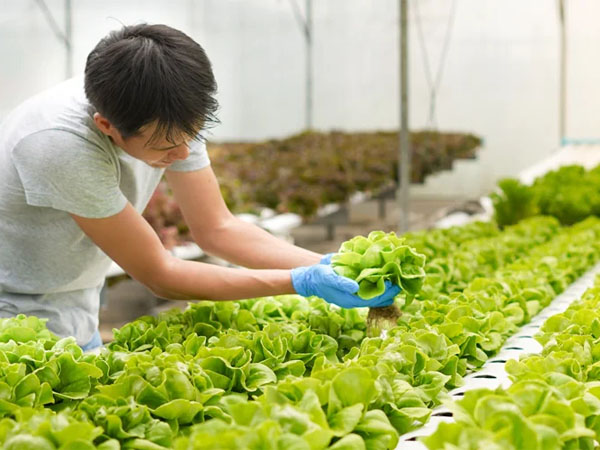
Harvest crops at the right time and sell them in local markets, supermarkets, or online platforms. Consider value-added products like salsa, pickles, or fresh herb packs.
Improve Efficiency Continuously
Analyze system performance regularly and upgrade equipment when needed. Continuous improvement leads to higher productivity and reduced operational costs.
Build Long-Term Partnerships
Maintain consistent quality and excellent service to secure long-term wholesale contracts and repeat customers, ensuring stable income.
Essential Equipment and Growing Media
To succeed, you must choose the right “substrate” and hardware.
Popular Growing Media in Israel:
- Coco Peat: Excellent water retention.
- Perlite: Provides great aeration for roots.
- Vermiculite: Ideal for seed starting.
Must-Have Hardware:
- Water and air pumps
- High-intensity grow lights
- Nutrient reservoirs
- Tubing and pH monitoring kits
Different Types of Hydroponic Systems
Deep Water Culture (DWC)
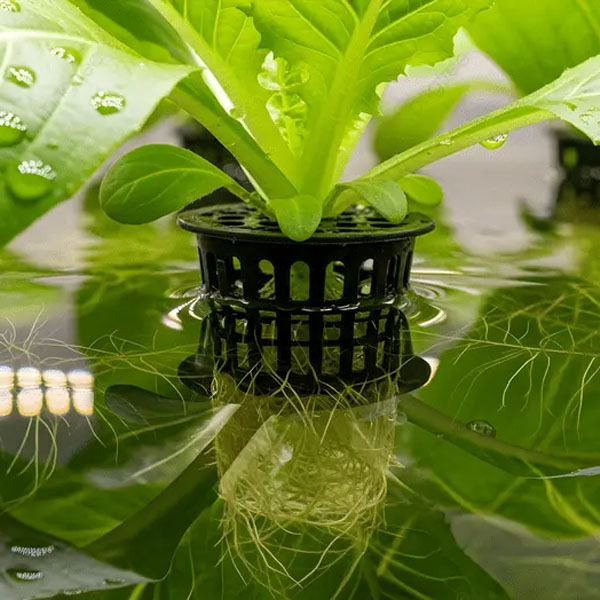
Roots are suspended in aerated, nutrient-rich water.
Nutrient Film Technique (NFT)
A shallow stream of water flows over the roots constantly.
Aeroponics
Roots are suspended in the air and misted with nutrient solution.
Drip System
The most popular in Israel; uses a pump to drip nutrients onto the base of each plant.
Aquaponics
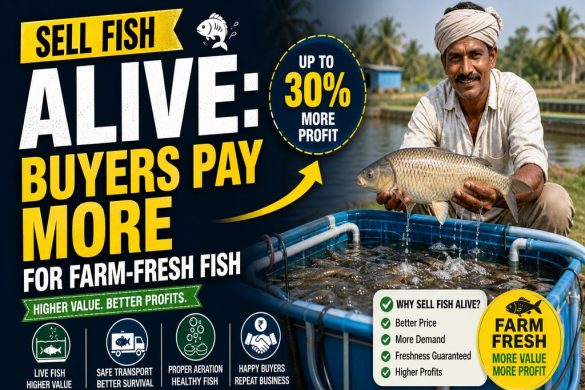
A hybrid system combining fish farming with plant growth.
Financials: Start-up Costs vs. Profitability
Is it profitable? Absolutely. Hydroponic farms are one of the most efficient ways to farm today.
- Startup Costs: A small farm ranges from $1,000 to $8,000, covering land, equipment, labor, and electricity.
- Annual Yield: Expect around 10 tons per year, compared to just 2-3 tons in traditional soil farming.
- Labor Costs: Significantly lower than traditional farming due to automation.
The Future: AgTech and Subsidies
Israel is a world leader in hydroponic innovation. The future of the industry relies on:
- Artificial Intelligence (AI): Used to optimize irrigation, planting layouts, and nutrient mixes.
- Vertical Farming: Growing on stacked shelves to increase crop density and reduce water waste.
- Government Subsidies: The Israeli government provides financial aid to cover equipment, seeds, training, and research to promote water-saving agriculture.
Critical Challenges to Manage
- Evaporation Rates: High heat requires constant water monitoring.
- Salt Accumulation: Salt can build up in the system, potentially harming plants.
- Pest Control: Diseases can spread fast in a recirculating water system.
- Expertise: Requires a higher level of technical knowledge than soil farming.