
Ginger cultivation requires a substantial amount of planting material — typically 1500 to 2000 kg per hectare — which significantly increases production cost and risk. Availability of high-quality, disease-free ginger seed material has long been a challenge for growers. Microrhizome technology emerges as a powerful solution by reducing seed requirements and supplying healthy planting material throughout the year.
What Is Microrhizome Technology?
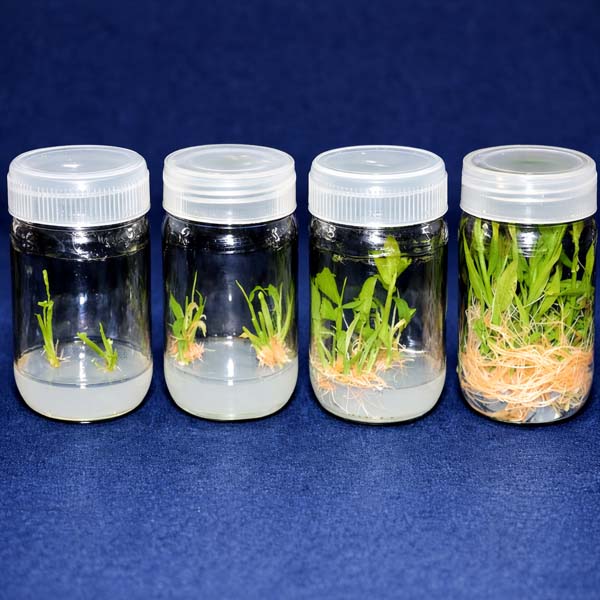
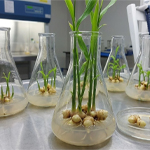
Microrhizome technology involves the in vitro production of miniature ginger rhizomes under controlled culture conditions. Healthy plant tissues are cultured on a nutrient medium that stimulates formation of small rhizome structures. These microrhizomes can be hardened, stored, transported, and later used as planting material.
Why It Matters for Ginger Farming
Reduces Seed Material Requirement
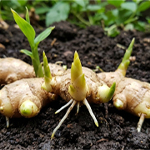
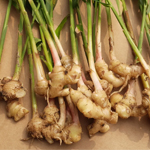
Traditional ginger planting uses large quantities of rhizomes. Instead, microrhizomes allow farmers to produce many plants from smaller initial material, significantly cutting seed costs and lowering input requirements.
Ensures Year-Round Availability
Microrhizome production can be carried out throughout the year, ensuring that disease-free planting material is always available, even outside the traditional planting season.
Improves Crop Quality and Yield
Plants raised from microrhizomes often exhibit:
- Better uniformity and vigor
- Faster sprouting and growth
- Higher yield potential compared to conventional rhizomes
- Reduced disease transmission risk due to clean planting materialÂ
The Production Process
✅ Step-by-Step Overview

1. Select High-Quality Explants
Small shoot buds or meristems are chosen from healthy ginger plants.

2. Sterilize and Culture Tissues
Explants are cleaned and placed in a sterile nutrient medium.

3. Stimulate Microrhizome Formation
A culture medium rich in sucrose and plant growth regulators triggers microrhizome induction.

4. Harden and Prepare for Distribution
Microrhizomes are removed after growth and hardened before use as planting material.

Best Practices for Field Application
Hardened Microrhizome Planting
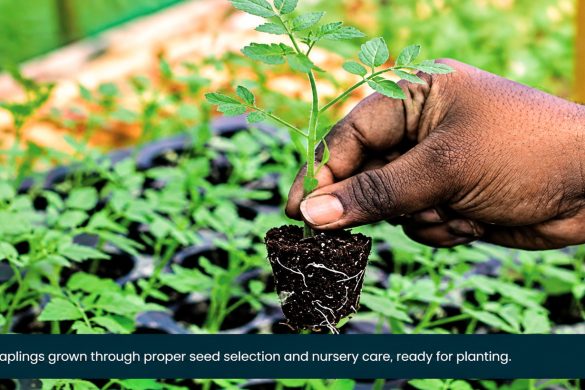
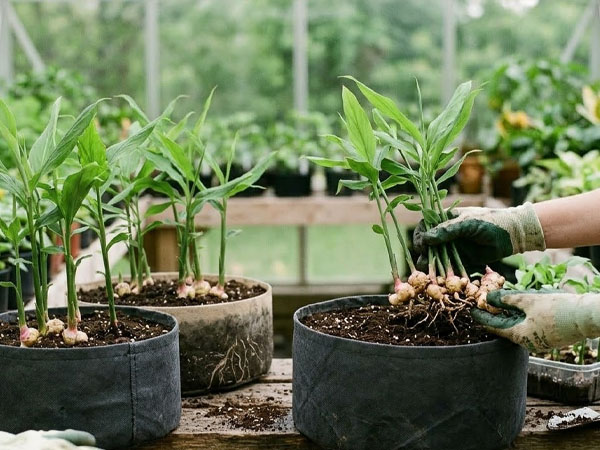
- Hardened microrhizome plantlets may be planted directly in grow bags or polytunnels before moving to open fields.
- Controlled environment conditions help produce uniform seedlings and better field establishment.
Handling and Transport
- Microrhizomes are easier to transport and handle than full-sized rhizomes due to their smaller size and sterility.
Key Benefits of Microrhizome Technology
| Benefit | Impact |
|---|---|
| Reduced Seed Quantity | Lower cost inputs |
| Clean, Disease-Free Material | Higher crop health |
| Year-Round Production | More flexible planting schedules |
| Efficient Handling & Storage | Easier logistics |
| Higher Yield Potential | Better profitability |
Challenges and Considerations
- Requires tissue culture facilities or access to microrhizome providers.Â
- Growers need training for hardening and acclimatization practices.Â
- Initial setup may involve investment in controlled environment systems.Â