1.6K
Introduction to Kantola (Spiny Gourd)
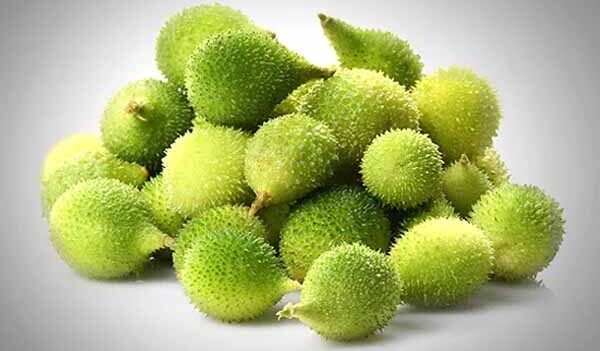
Spiny gourd or kantola is new to Kerala. With its odd texture, the spiky green vegetable is naturally unattractive. Kantola is a common vegetable found in the northeastern states of India. It is a healthy monsoon vegetable.
Its scientific name is Momordica dioica, commonly known as spiny gourd or spine gourd or teasle gourd. It can be called bitter less bitter gourd. The soil and climate of Kerala are suitable for its cultivation.
A nutritious monsoon vegetable suitable for Kerala’s climate, beneficial for diabetics and capable of high yield with proper pollination.
How Is Kantola Used?
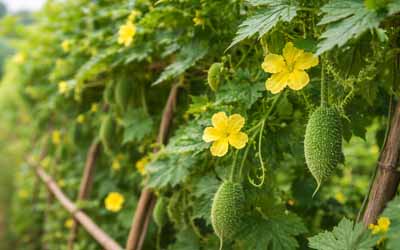
- The outer surface of the gourd is covered with small soft spines.
- Tender spiny gourd can be used to prepare stir fry and curries.
- You can store sun dried cut pieces and use it later.
- Some use kantola leaves and young stems as vegetables.
Benefits of Kantola (Spiny Gourd)
- It is a great source of phytonutrients, low in calories and high in water content.
- Due to its anti-allergen and analgesic properties, it is helpful in keeping seasonal cough, cold and other allergies at bay.
- It also reduces blood sugar levels in diabetic patients since it is rich in plant insulin.
- It prevents cancer due to its high natural anti-oxidant content.
- It is high in fibre which helps in easy digestion.
How Can You Grow Kantola?
Kantola is best suited for moist and fertile loamy soils. Even though it requires bright sunlight, you can grow it in shade too. The main planting material is the tubers which are dug from the bottom after the plants have dried. Tubers of male and female plants should be kept separately.

Field Preparation & Planting
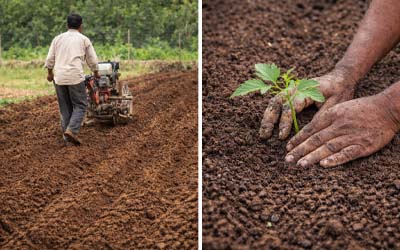
- Pits can be made at a spacing of 2 m between plants.
- Saplings can be planted in pits measuring 60 cm in length, width and depth by mixing topsoil, 5 kg of dry dung, 500 g of bone meal and 250 g of neem cake.
- Ten per cent male plants should be planted in the field.

Planting & Nursery Preparation
- The tubers can be planted as it is or after cutting into small pieces and drying in the shade for one or two days.
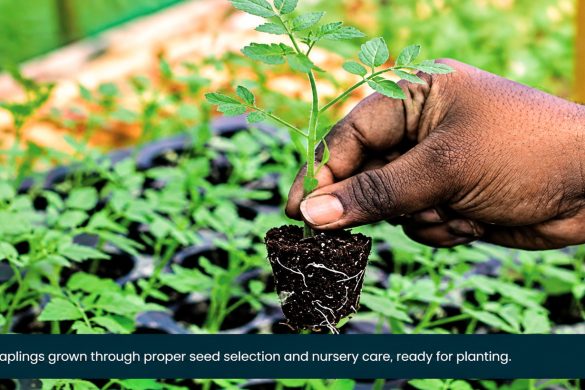
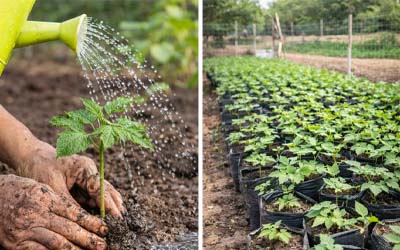
- It is better to transplant to the field after it gets germinated in polythene covers filled with potting mixture.
- Add soil, manure and coir pith in the same proportions as potting mixture.

Flowering & Pollination
- One and half to two months after the planting of tubers, the plants start flowering.
- Artificial pollination is must for good yields.
- Male flowers that bloom on the same day should be plucked and the pollen should be applied directly or with a brush on the pollination area of the female flowers that day.
- Pollinate before noon for better results.


Flowering & Pollination
- One and half to two months after the planting of tubers, the plants start flowering.
- Artificial pollination is must for good yields.
- Male flowers that bloom on the same day should be plucked and the pollen should be applied directly or with a brush on the pollination area of the female flowers that day.
- Pollinate before noon for better results.

How to Harvest Kantola?
- Harvesting is done within 10 to 12 days after pollination.
- Fruits turn yellow and seeds harden once ripened.
- Such yields have low taste and market value.
- Harvesting every three days will help in producing more flowers and more fruits.