Tissue culture bananas offer farmers a reliable, disease-free start — but getting the planting and early care right makes all the difference. From the way you prepare the pit to how you manage water and shade in the first weeks, every step plays a critical role in building a strong, productive plant.
Because these saplings develop a complete root system quickly after field planting, they are able to absorb nutrients almost immediately — making timely fertilization and proper care during the first two months essential for a good yield.
🕳️ How to Prepare the Planting Pit
Proper pit preparation is the foundation of healthy tissue culture banana growth. Follow these steps carefully before planting your saplings:
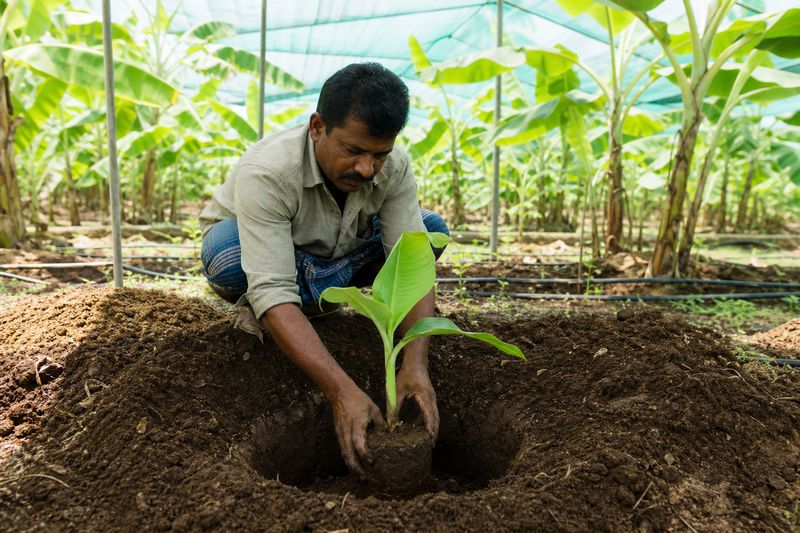
- Dig a pit that is half a meter in length, width, and depth for each planting position.
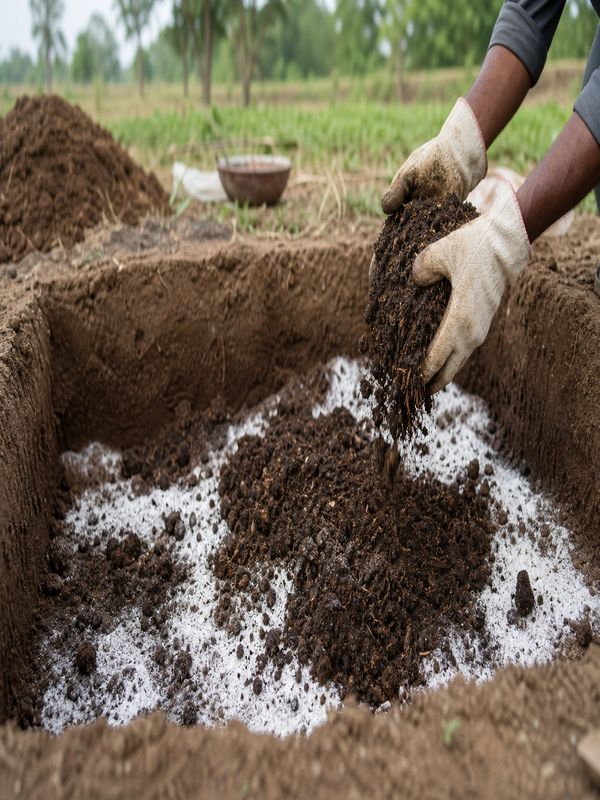
- Mix the topsoil with a prescribed amount of lime or dolomite and use this mixture to fill the pit back up.
- Leave the filled pit to rest for two weeks before proceeding.
- After two weeks, add approximately 15 kilograms of organic manure into the pit.
- Plant the sapling in the center of the pit.
☀️ Shade Protection and Early Sapling Care
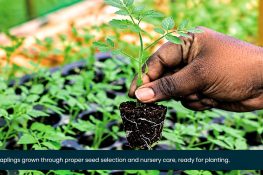
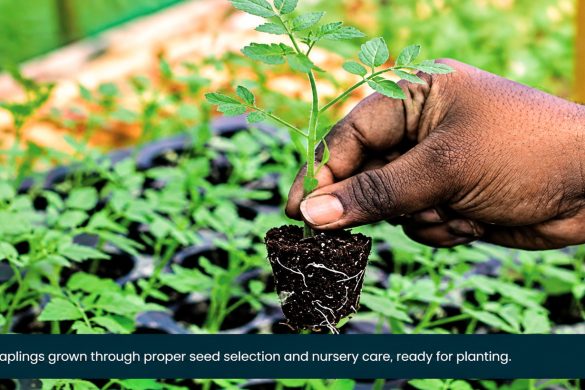
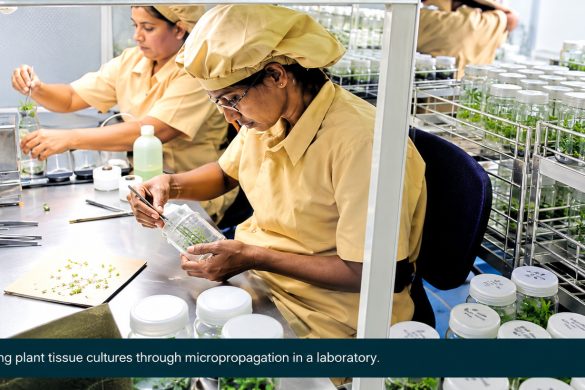
Tissue culture banana saplings are raised under controlled, shaded conditions in the laboratory. When moved to the open field, they need time to adjust to direct sunlight and outdoor conditions.
⚠️ Important: It is mandatory to provide shade for tissue culture banana saplings immediately after field planting. Since they are grown under shade in the nursery, this protection is essential for the first three weeks after transplanting.
Special care should be provided for the first two months after planting. During this period, the saplings develop a complete root system and become fully established in the field.
💧 Watering, Basins, and Drainage
Water management is critical for tissue culture banana plants and varies depending on the season:
Summer Season
Prepare basins around the base of each plant to help channel water directly to the roots during irrigation.
Rainy Season
Ensure proper drainage at the base of the plant. Waterlogging can damage the young root system and reduce plant health.
🌱 Fertilization for Maximum Yield
One of the key advantages of tissue culture banana plants is that, once they develop a complete root system in the field, they are able to absorb nutrients almost immediately after being planted. This makes timely fertilization especially important.
✅ Pro Tip: Providing both organic and chemical fertilizers in a timely manner during the first two months is one of the most effective ways to ensure a strong, high-quality banana yield from tissue culture plants.
The combination of well-prepared soil, proper organic manure at planting, and a structured fertilization schedule sets up tissue culture banana plants for healthy, consistent production.
📋 Tissue Culture Banana Care at a Glance
Pit Size
0.5m × 0.5m × 0.5m
Soil Mix
Topsoil + lime or dolomite
Resting Period
Leave pit for 2 weeks
Organic Manure
~15 kg per pit
Shade
Mandatory for first 3 weeks
Special Care
First 2 months critical
❓ FAQ
What is the ideal pit size for planting tissue culture bananas?
The recommended pit size for tissue culture banana planting is half a meter (0.5m) in length, width, and depth. This size provides enough space for the young sapling’s roots to establish comfortably and allows for adequate mixing of topsoil, lime or dolomite, and organic manure before planting.
Why do tissue culture banana saplings need shade after planting?
Tissue culture bananas are raised in controlled, shaded laboratory conditions, so they are not immediately adapted to direct sunlight. Providing shade for the first three weeks after field planting protects them from sun stress, reduces transplant shock, and allows the saplings to gradually adjust to outdoor conditions before full sun exposure.
How much organic manure should be added when planting tissue culture bananas?
Approximately 15 kilograms of organic manure should be added to each pit after the two-week resting period. This manure enriches the soil with essential nutrients and helps establish a healthy growing environment for the tissue culture sapling right from the start.
How should I manage water for tissue culture banana plants during the rainy season?
During the rainy season, the priority is to ensure proper drainage at the base of the plant. Waterlogging can damage the young root system of tissue culture bananas. Creating drainage channels or raised beds around each plant helps prevent water from pooling and protects the developing roots.
When should I start fertilizing tissue culture banana plants?
Fertilization should begin as soon as the saplings are established in the field. Since tissue culture bananas develop a complete root system quickly and can absorb nutrients almost immediately after planting, providing both organic and chemical fertilizers in a timely manner during the first two months is essential for ensuring a strong and good yield.
What type of lime or dolomite should be mixed into the banana planting pit?
A prescribed amount of lime or dolomite should be mixed with the topsoil before filling the pit. The exact quantity depends on the local soil pH and expert recommendations for your region. Both lime and dolomite help neutralize acidic soils and improve nutrient availability, creating a better growing environment for banana roots.
How long does the special care period last for tissue culture banana saplings?
Tissue culture banana saplings require special care for the first two months after field planting. During this period, the plants develop their complete root system and become fully established. Proper shade, watering, drainage management, and timely fertilization during these two months are critical for healthy long-term plant growth and productivity.