Home » Murikku Tree (Erythrina Variegata): Pepper Support, Types and Uses

Murikku Tree (Erythrina Variegata): Pepper Support, Types and Uses

by Sama Sadhik
4 minutes read

By A.V. Narayanan | 9745770221

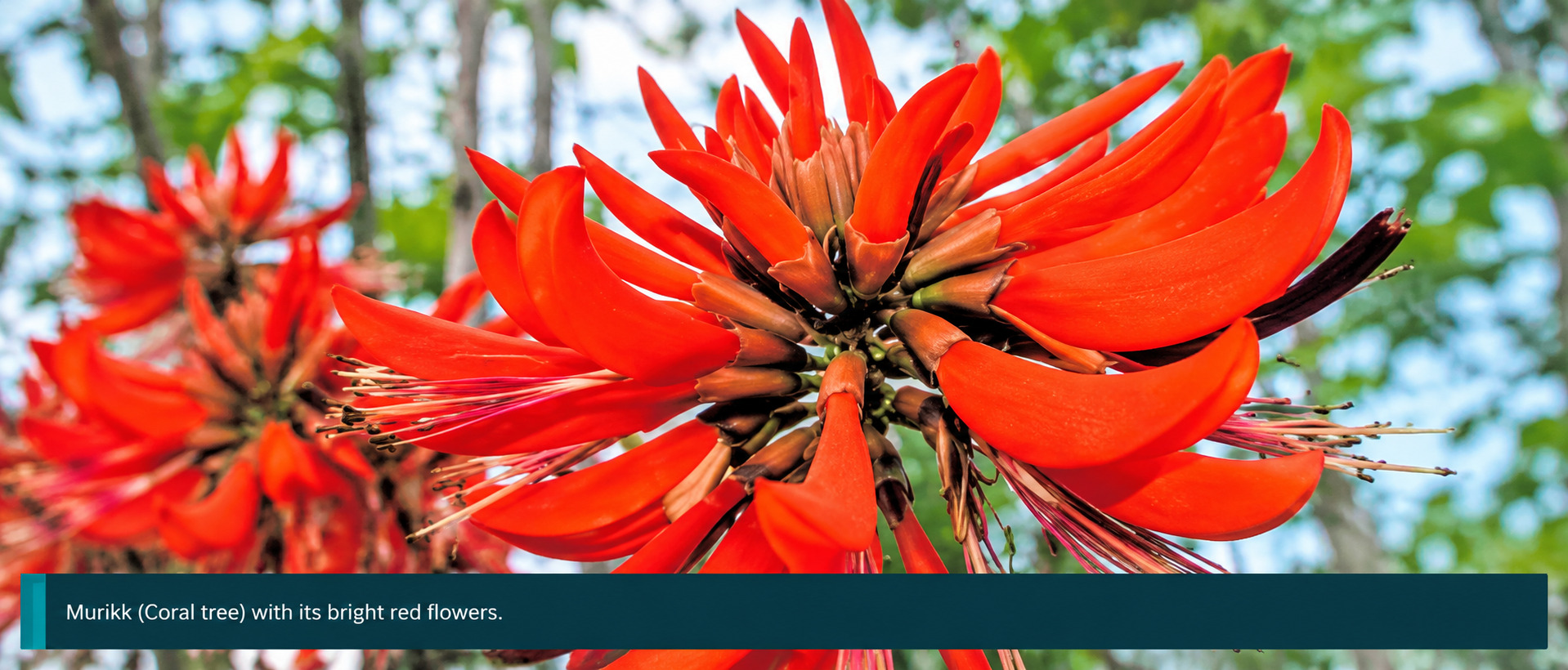
Scientific name of Murikku – (Erythrina variegata)

In the olden days, Murikku trees were common in house compounds. Murikku and Moringa were used as support poles for pepper and betel leaf vines. Branches of Murikku are cut and planted. If not planted at the right time (after the full moon of the dark/white fortnight, when the white fortnight begins), worms will come and destroy it. Saplings are also grown by sowing the seeds of the Murikku. For pepper, Murikku poles are mostly used in the pits.

Murikku Trees Provide Natural Climbing Support for Black Pepper Vines in Kerala Farms

🌳 Murikku Types and Traditional Uses

🌵

Agastya Murikku has sharp thorns.

🌿

Chem-murikku has fewer thorns.

🫘

Ari-murikku has fewer thorns, and its seeds are like large beans, plump, black-colored, and small.

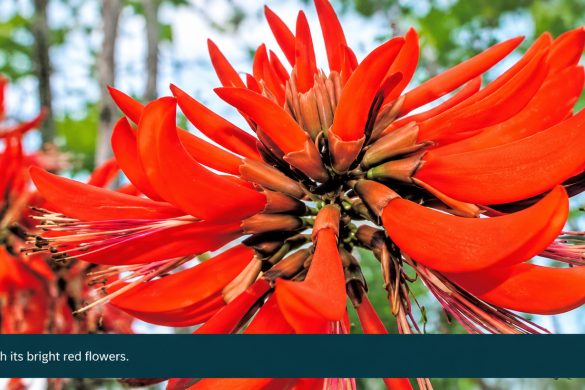
Maavu and Murikku were used in the legume category. It is for this that (aged and rotted Murikku) is grown. Female-male Murikku trees produce flowers that resemble human lips and seeds that resemble a fort.

The leaves are large. They are 10 cm to 13 cm long and 6 cm to 7 cm wide.


🌶️ Why Pepper Farmers Used Murikku Poles

🪵 Murikku and Moringa were used as support poles for pepper and betel leaf vines. For pepper, Murikku poles are mostly used in the pits.

🌱 Branches of Murikku are cut and planted, and saplings are also grown by sowing the seeds of the Murikku.

⚠️ If not planted at the right time (after the full moon of the dark/white fortnight, when the white fortnight begins), worms will come and destroy it.


🍃 Ayurvedic Uses Mentioned for Murikku Leaves

According to Ayurvedic principles, its leaves were used as medicine for menstrual, skin, and urinary tract diseases, and for indigestion.

🩸

Menstrual diseases

🌿

Skin diseases

💧

Urinary tract diseases

🍽️

Indigestion

😴

Relieving fatigue

🤧

Phlegm congestion

Murikku was also used for relieving menstrual pain, earache, toothache, headache, itching, knee pain, back pain, and sexual problems.


🌲 Tree Growth, Roots, Flowers and Thorn Remedy

The Murikku is a straight-growing tree. Its roots, which grow over 10 meters long, run parallel to the ground, and there is a high chance of the tree toppling over.

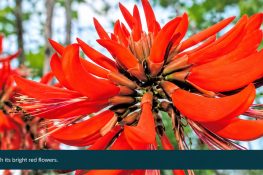
Its wood was boiled and used for bathing cattle. It flowers during the months of Kuda and Minam. The flowers are like those of the Nombu plant.

If a Murikku thorn pricks the body, the remedy is slaked lime.


❓ FAQ

What is the scientific name of Murikku?

The scientific name of Murikku is Erythrina variegata. In traditional homesteads, Murikku was commonly grown in house compounds and used in farming systems, especially as a living support pole for pepper and betel leaf vines.

Why is Murikku used as a support for pepper vines?

Murikku branches are cut and planted, making the tree useful as a support pole. The article notes that Murikku and Moringa were both used for pepper and betel leaf vines, and that Murikku poles are mostly used in pits for pepper cultivation.

When should Murikku branches be planted?

The article says Murikku should be planted at the right time: after the full moon of the dark/white fortnight, when the white fortnight begins. If it is not planted at the right time, worms may come and destroy it.

What are the main types of Murikku?

Three types are mentioned: Agastya Murikku, Chem-murikku, and Ari-murikku. Agastya Murikku has sharp thorns, while Chem-murikku and Ari-murikku have fewer thorns. Ari-murikku seeds are described as plump, black-colored, small, and like large beans.

What traditional medicinal uses are linked with Murikku leaves?

According to Ayurvedic principles, Murikku leaves were used for menstrual, skin, and urinary tract diseases, and for indigestion. The article also mentions traditional use for fatigue, menstrual pain, phlegm congestion, earache, toothache, headache, itching, knee pain, back pain, and sexual problems.

How big are Murikku leaves?

Murikku leaves are described as large. The article gives their size as 10 cm to 13 cm long and 6 cm to 7 cm wide, making them a notable identifying feature of the tree.

What should be done if a Murikku thorn pricks the body?

The article states that if a Murikku thorn pricks the body, the remedy is slaked lime. This is presented as a traditional remedy mentioned in the source article.

You may also like