Fungal diseases and pest attacks are common challenges in vegetable farming and home gardening. Early prevention plays a crucial role in ensuring healthy plant growth. Saaf fungicide is a cost-effective and widely used solution to protect plants from fungal infections and improve overall plant health.

🧪 What is Saaf Fungicide?
Saaf is a combination fungicide used to control fungal diseases in plants. It works both internally and externally to provide complete protection.
Key Composition:
- Carbendazim 12%
- Absorbed by roots and stems
- Improves internal resistance against fungal infections
- Mancozeb 63%
- Acts on leaf surfaces
- Prevents external fungal growth and mold
🌿 Benefits of Using Saaf
Prevents fungal diseases before they appear
Protects both seedlings and mature plants
Promotes strong and healthy plant growth
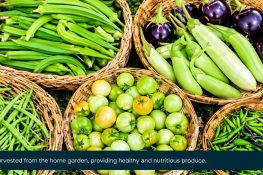
Suitable for vegetable, fruit & flowering plants
Affordable and easily available
Preventive Use is Key
Saaf works best when applied before fungal infection begins. Early-stage spraying ensures long-term plant health.
🌾 When to Use Saaf Fungicide
- Immediately after seedling emergence
- One week after transplanting
- Twice a month for maintenance
- During rainy season to prevent fungal spread
⚠️ Dosage Accuracy Matters
Incorrect dosage may reduce effectiveness or harm plants. Always measure carefully.
⚖️ Correct Dosage Guide
For Small Seedlings:
✅ Mix 1 gram per 1 liter of water
For Bigger Plants:
✅ Mix 3 grams per 1 liter of water
Important Notes:
- Slightly more water is acceptable
- Avoid reducing water quantity
- Mix thoroughly before spraying
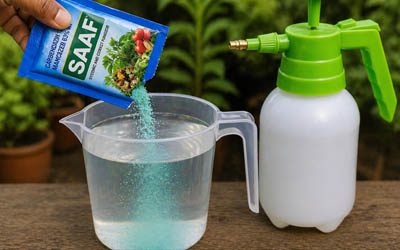
💧 How to Prepare the Spray Solution
- Fill the container with ¾ of water
- Add required quantity of Saaf
- Shake well to mix properly
- Top up water if needed

🌞 Best Time for Application
- Evening: Ideal time for spraying
- Morning: Water plants first, then spray after 30 minutes
- Rainy Season: Can be applied directly
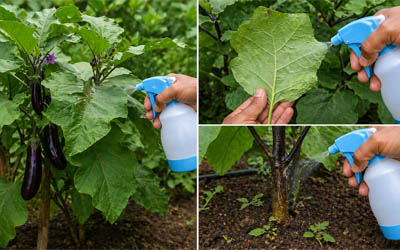
🌿 Application Method
Spray thoroughly on:
- Upper leaf surface
- Underside of leaves (most important)
- Apply near the base of the plant for better absorption
👉 Focus on Leaf Underside
Most fungal infections and pests start on the underside of leaves. Ensure proper coverage.
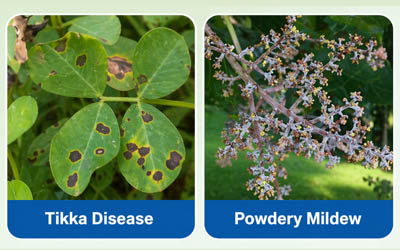
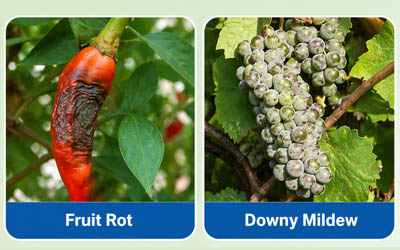
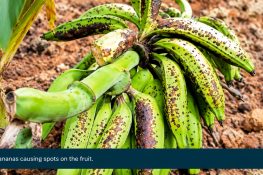
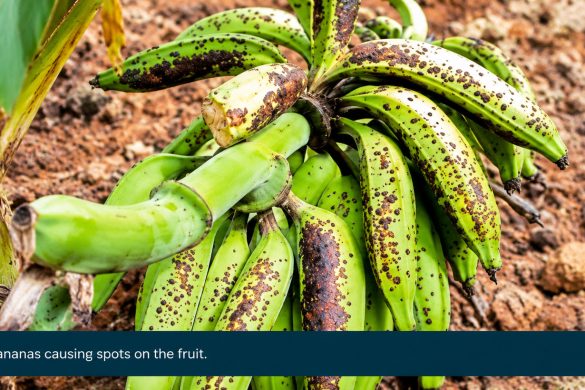
🔍 Identifying Early Fungal Symptoms
In Vegetable Plants (e.g., Okra):
- Black dots on underside of leaves
In Fruit Saplings:
- White powdery substance under leaves
- Black spots on stem
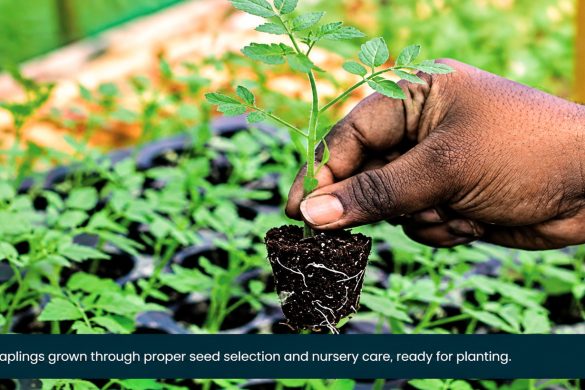
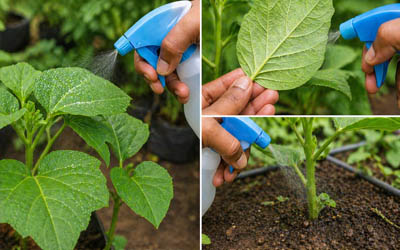
🌳 New Saplings Saaf Application
- Mix 3 grams per 1 liter of water
- Spray on saplings before planting
- Helps eliminate hidden fungal infections
What is Saaf fungicide used for?
Saaf fungicide is used to prevent and control fungal diseases in vegetable plants, fruit saplings, and flowering plants. It works both internally and externally to protect plants.
What is the correct dosage of Saaf for plants?
For seedlings, use 1 gram per liter of water. For mature plants, use 3 grams per liter of water.
How often should Saaf be applied?
Saaf can be applied twice a month as a preventive measure and after transplanting seedlings.
Can Saaf be used for all plants?
Yes, Saaf is suitable for vegetables, fruit plants, and flowering plants.
When is the best time to spray Saaf fungicide?
The evening is the best time. If used in the morning, water the plants first and spray after 30 minutes.
Does Saaf cure existing fungal infections?
Saaf is most effective as a preventive fungicide, but it can also help control early-stage fungal infections.